5-Minute Spicy Peanut Satay Sauce (Soy-Free)
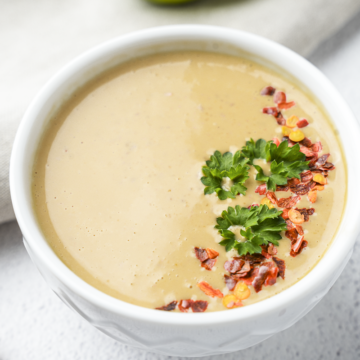
I've been trying to find a spicy peanut satay sauce that I'd always reach out to for years until I decided to make my own. The result? Way better than the store-bought version, and I know exactly what the ingredients used to make it are.
My recipe uses coconut aminos instead of soy sauce, lime juice and fresh grated ginger, and I always add full-fat coconut milk to create a perfectly creamy and delicious homemade peanut satay sauce.
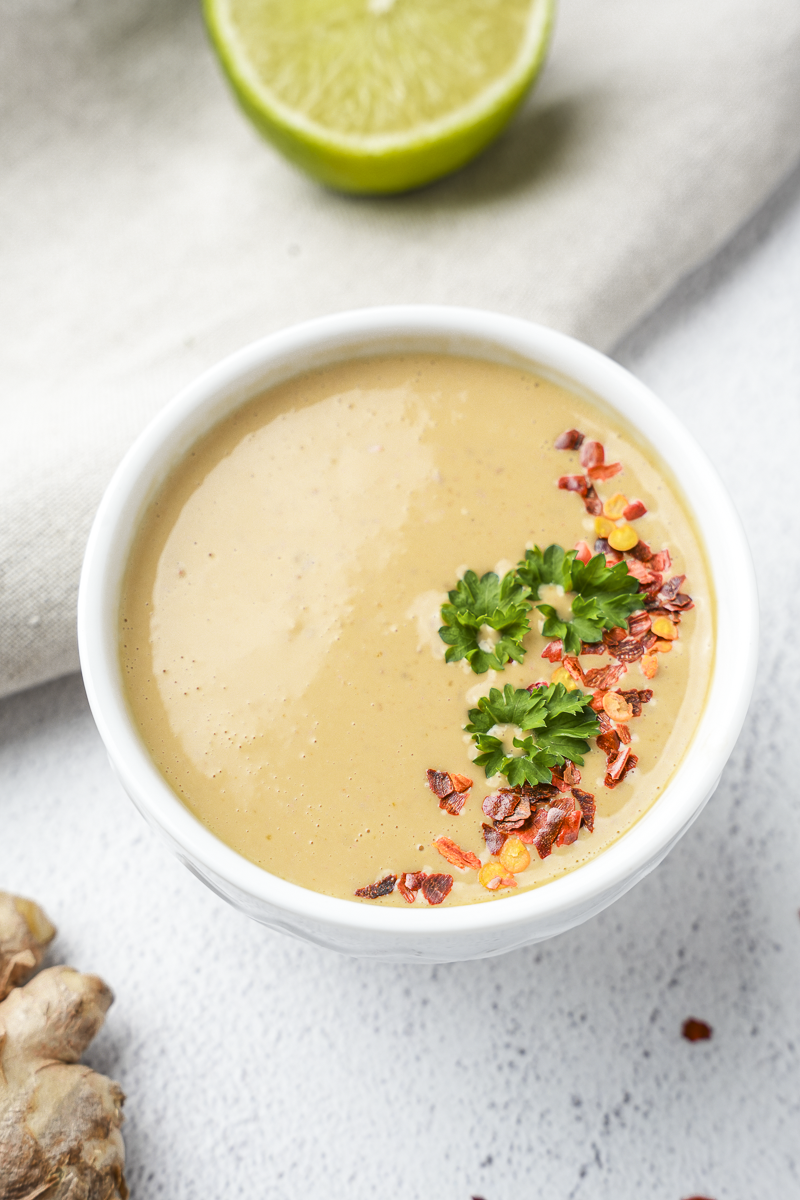
What is peanut satay used for? In our family, we reach out for this satay sauce any time we want to add flavor to bowls, use it as a dip for meat skewers or as peanut satay dressing for salads. The possibilities are endless with this one.
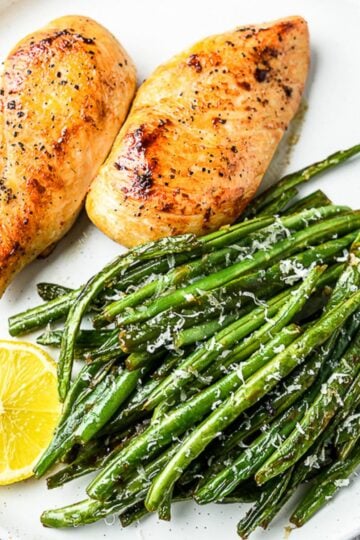
This was inspired by my homemade teriyaki sauce recipe on this site, and pairs well with these delicious chicken skewers.
Jump to:
Why you'll love this recipe
- Ready in Under 5 Minutes: This recipe requires no blender or food processor. It is easy to combine all the ingredients and make it. Takes little time and you will be impressed by the result.
- Clean, Whole-Food Ingredients: I've been focusing on having whole ingredients in my recipes lately and this one is no exception. There is no refined sugar, soy or seed oils in this recipe. By using coconut aminos and natural nut butter, the sauce turns out creamy and amazingly delicious, while the red pepper flakes, which are optional of course, add just the right amount of heat.
- Meal Prep Friendly: This sauce can literally transform any leftovers you might have. I just drizzle the spicy peanut satay sauce over cold shredded chicken, use it as a dip for raw veggies, or grilled meat, or toss it with noodles for a 60-second lunch.
- Completely Customizable: You can easily control the heat that comes from the added red pepper flakes (or sriracha). The peanut satay sauce is also easily adaptable for various dietary needs, including Paleo and Vegan-friendly options.
The first time I made this sauce it turned out to be too thick for my taste, but I've experimented with adding a little warm water to the mixture to make a perfect consistency.
Watch how to make this spicy peanut satay recipe
Ingredients needed
For this recipe, I've chosen easy ingredients that are easy to mix together and create the deliciously creamy spicy peanut satay sauce.
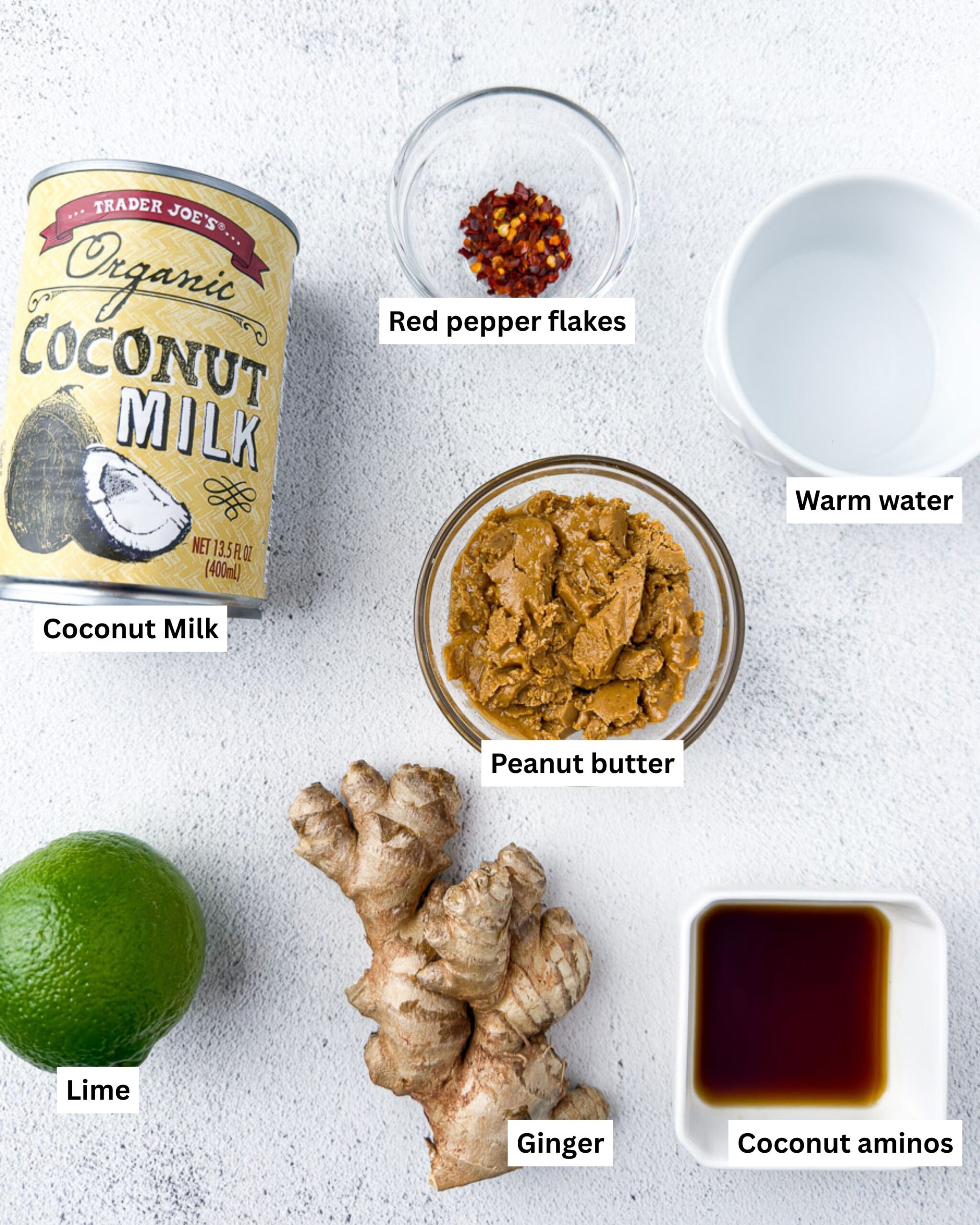
- Natural Peanut or Almond Butter: Using a natural nut butter helps the sauce get the right texture, taste and nutrition. By choosing a version with no added sugars or seed oils (I am really liking this one lately), you're getting a good source of protein without the extras.
- Coconut Aminos: I use this ingredient whenever I want to prepare something soy-sauce free. Coconut aminos is great because it provides that saltiness we like without the gluten or the soy, making this satay sauce paleo-friendly, soy-free and gluten-free.
- Full-Fat Canned Coconut Milk: This is a non-negotiable for me because it provides that creaminess and richness we always crave in sauces of this type.
- Fresh Grated Ginger: Don't skip the fresh stuff! Fresh ginger adds a bright, zingy heat that powdered ginger can't replace. It's also fantastic for digestion, making this sauce as functional as it is flavorful.
- Fresh Lime Juice: The acidity from the lime cuts through the richness of the peanut butter, balancing the sauce and making the flavors pop.
- Sriracha or Red Pepper Flakes: This is where you can customize the heat of this sauce, Whether you prefer a subtle warmth or a fiery punch, adding your spice at the end allows you to control the heat level of your meal prep.
- Warm water: this is optional if you, like me, want to make this sauce thinner. I typically start with a few teaspoons and add more if needed to reach the desired consistency.
See recipe card for the exact quantities.
Step-by-step instructions
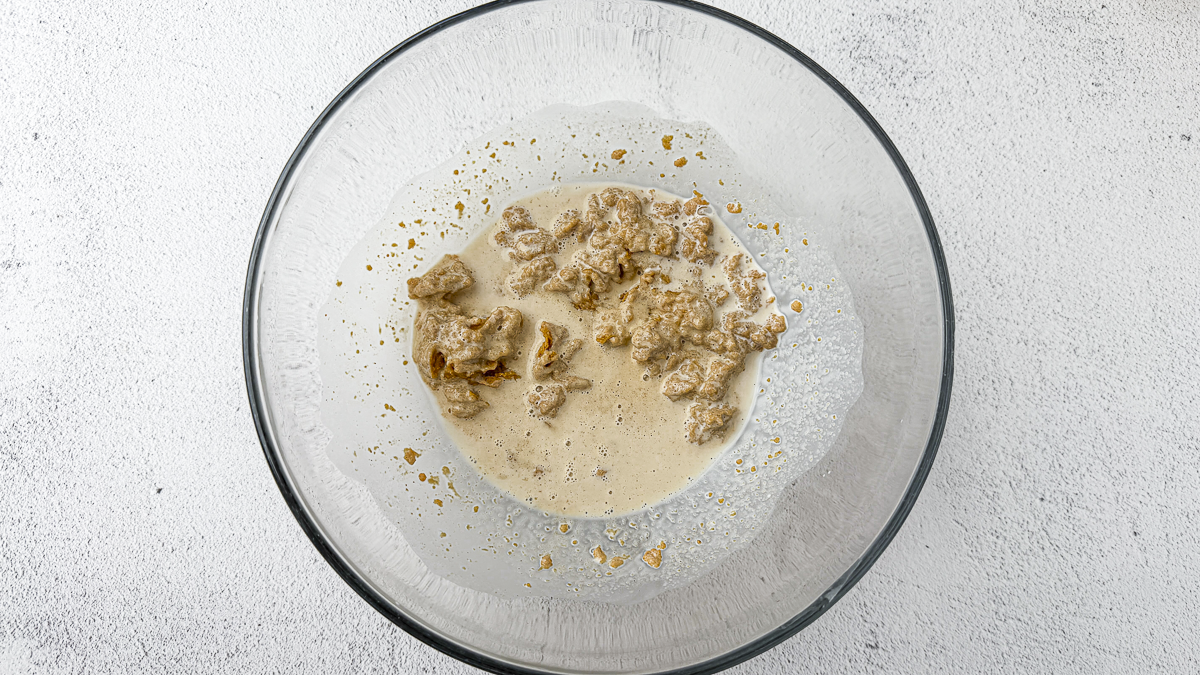
Step 1: Combine the peanut butter and coconut milk into a bowl and mix well.
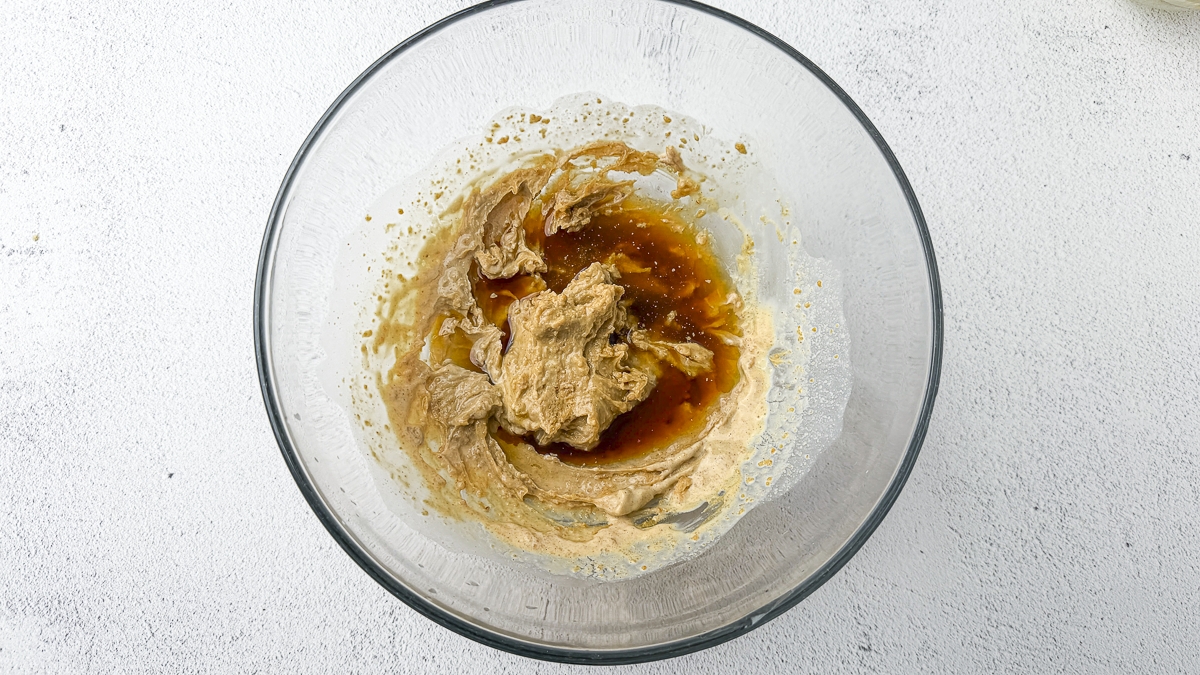
Step 2: Add the lime juice, coconut aminos and freshly grated ginger to the bowl and mix.
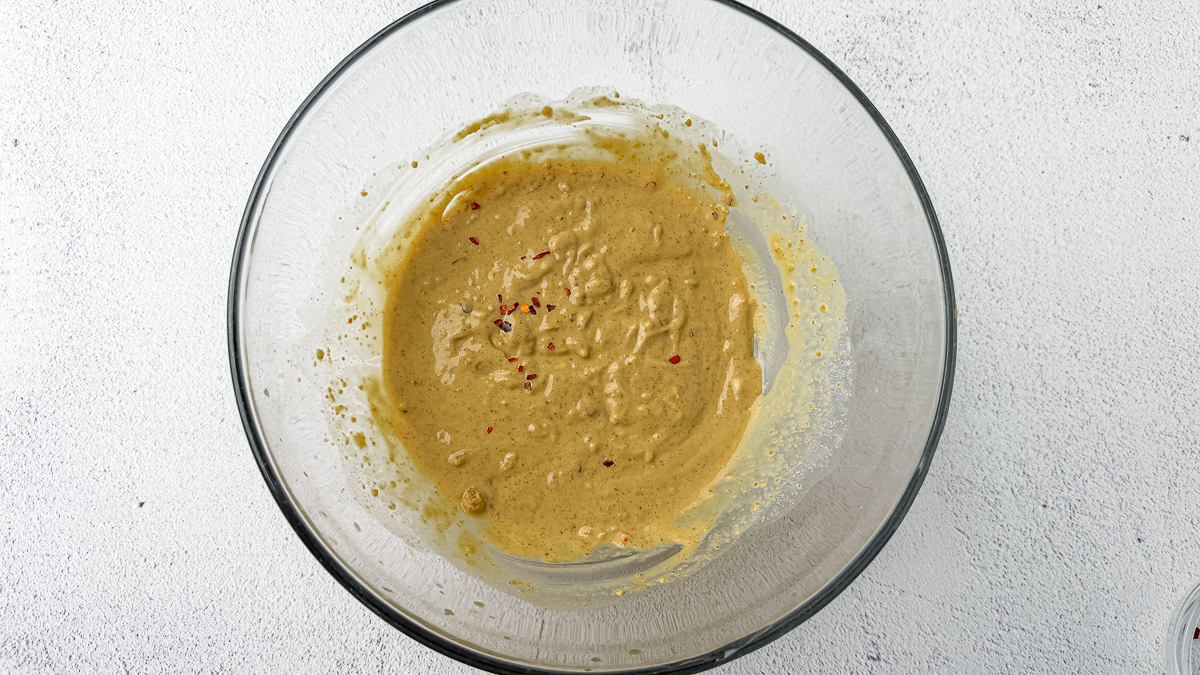
Step 3: Add the red pepper flakes (optional) and combine it well.
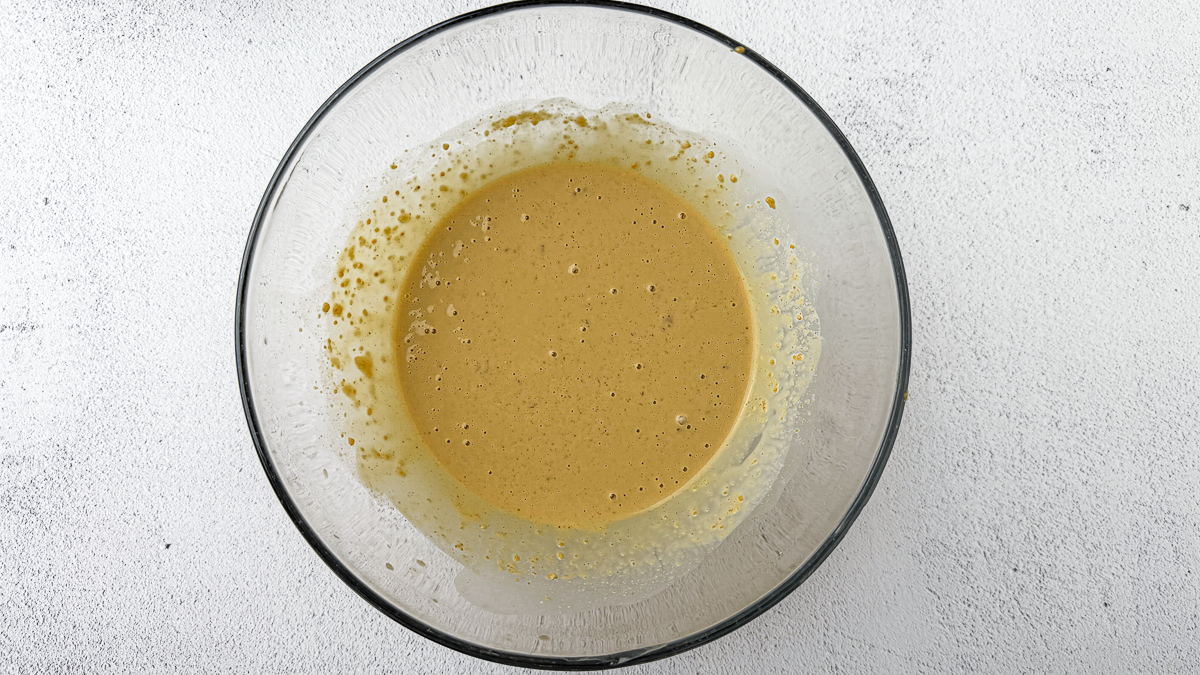
Step 4: Add water to the mixture if you like it thinner or leave it as is for a thicker consistency.
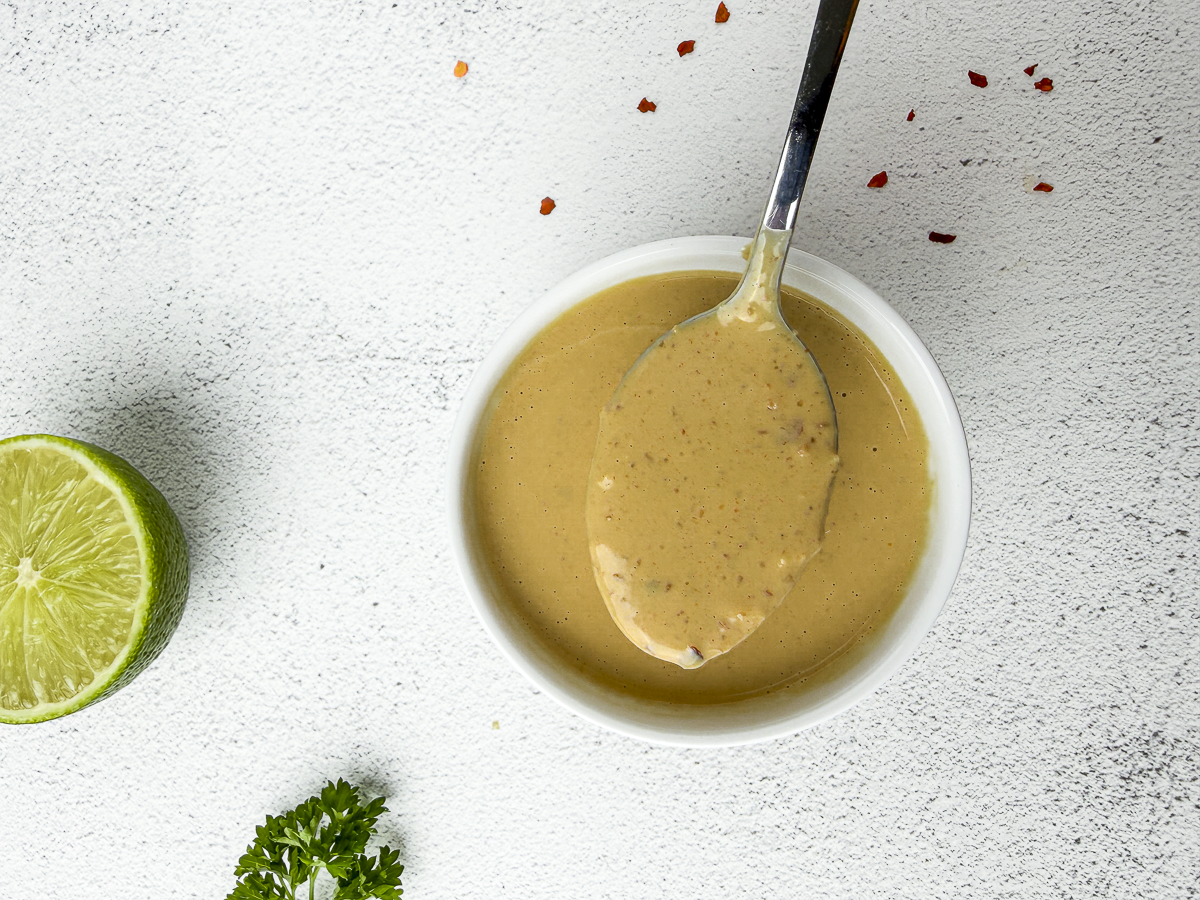
Step 5. Serve it immediately over grilled meat, tofu, vegetables, as a dip or salad dressing.
Pro-Tips for the Perfect Texture
- Room temperature rule: If your coconut milk or peanut butter is very cold from the fridge, the mixture can become chunky. Leave them at room temperature for some time (about 30 minutes) before mixing them together. Adding a bit of warm water to the sauce when mixing it can help as well.
- Whisk coconut milk and peanut butter first until they form a thick and as much as possible uniform paste. I found that this way, when I add the next ingredients they blend in easier.
- Leftovers thickening: If you have leftover spicy peanut satay sauce and store it in the fridge, it will firm up significantly and reach a fudge-like consistency.
What to serve this sauce with
Honestly, I could eat this stuff straight out of the jar, but it really shines when paired with the right dishes.
- Grilled Proteins: This is the classic pairing. It's perfect with chicken skewers, but also works great on grilled shrimp or even sliced steak. The smokiness of the grill and the spice of the peanut butter are a great, delicious match.
- The Ultimate Slaw: I love tossing this with a massive bowl of shredded purple cabbage, carrots, and cilantro.
- Low-Carb Bases: If you're keeping things light, drizzle this over zucchini noodles or a warm bowl of cauliflower rice. It adds all the satisfying fat and protein you need to make a plant-based meal feel filling.
- Fresh Dippers: For a quick snack, I keep it simple with sliced cucumbers, bell pepper strips, carrots, or even snap peas. It's way more interesting than standard hummus.
Variations and substitutions
- Kid-friendly version - swap the red pepper flakes with a teaspoon of honey or maple syrup. This will give the sauce that peanut butter cup flavor kids love.
- Lunchbox-safe alternative - if you need to send this to a nut-free school or simply want to swap out the peanut butter, use almond butter or sunflower seed butter (SunButter).
- Heat level adjustments - you can skip the red pepper flakes completely for a no-heat version or add as much as you'd like depending on your preferences. Either version is creamy, delicious and works well with a lot of dishes.
Storage
Because this sauce is made with real, whole-food ingredients without preservatives, it behaves a bit differently than store-bought versions. Here is how to keep it fresh:
Refrigerate it: Store the spicy peanut satay sauce in an airtight glass container for up to 5 days. Glass is best in this case for flavor preservation.
The sauce will firm-up in the fridge during this time, just leave it at room temperature for about 15-30 minutes and give it a stir for the sauce to come back to its original mixed form. You can also microwave it for 10-15 seconds then add a teaspoon of water, and whisk it until creamy again if you are in a rush.
Freeze It: You can freeze this sauce in silicone ice cube trays for up to 3 months. Once frozen, pop the cubes into a freezer bag. I use this as a hack for adding a quick flavor boost to stir-fry dishes or single-serve lunches.
Top Tip
Adding a little warm water during the preparation and/or reheating process is a hack that I am using every time I'm making this sauce. This helps the chunks from peanut butter break down easier until it becomes a smooth creamy texture.
FAQ
Yes! By using natural peanut butter and coconut aminos, this sauce is naturally low-carb and keto-friendly. If you are tracking macros, just be sure to check that your peanut butter has no added sugars.
Absolutely. If you prefer a different flavor, almond butter or cashew butter work beautifully. For a nut-free version, sunflower seed butter (SunButter) is a great alternative, though it may have a slightly more earthy taste.
If you don't have coconut aminos on hand, you can use Tamari (for gluten-free) or traditional soy sauce. However, keep in mind that soy sauce is much saltier than coconut aminos, so you may want to start with half the amount and taste as you go.
This happens because of the full-fat coconut milk and natural fats in the nut butter. Just like butter or coconut oil, the fats solidify when cold. Simply whisk in a teaspoon of warm water or microwave it for 15 seconds to bring back that silky texture.
It has a slight kick due to the red pepper flakes. But you can add as much or as little as you'd like, customizing it based on your preferences.
Other favorite recipes
Looking for other recipes? Try these:
Did you make this recipe?
If you make this recipe and like it, be sure to comment and rate it below.
5-Minute Spicy Peanut Satay Sauce (Soy-Free)
Equipment
- Glass container (for storage)
Ingredients
- ½ cup Natural peanut butter
- ¼ cup Full-fat canned coconut milk (shaken well)
- 2 tablespoon Coconut aminos
- 1 tablespoon Fresh lime juice
- 1 teaspoon Fresh grated ginger
- 1 teaspoon Red pepper flakes or sriracha
- 1-3 tablespoon warm water (optional, to thin the mixture)
Instructions
- Whisk the Base: In a medium bowl, whisk together the creamy peanut butter and full-fat coconut milk until a thick, smooth emulsion forms.
- Add Aromatics: Stir in the coconut aminos, fresh lime juice, and grated ginger. Whisk until the sauce begins to thin and turn silky.
- Adjust Heat: Add the Sriracha or red pepper flakes. Taste and adjust the spice level to your liking.
- Final Texture: If the sauce is too thick for your preference, whisk in warm water one teaspoon at a time until it reaches your desirable consistency.
- Serve: Use immediately over skewers or , or store in a glass jar for up to 5 days.
Notes
- This spicy peanut satay sauce solidifies in the fridge. To serve leftovers simply microwave it for 15 seconds then add a teaspoon of water and mix well. Alternatively you can leave it at room temperature for 15-30 minutes for it to de-solidify.
- If the sauce appears to be grainy or break after adding lime juice, don't panic! In my experience, this usually happens if the ingredients are too cold. Just add a teaspoon or two of warm water and mix well.
- For a kid-friendly version, skip the red pepper flakes and add a teaspoon of honey or maple syrup.
- For a peanut-free version substitute the peanut butter with almond butter or cashew butter, or sunflower seeds butter for a completely nut-free sauce.
Nutrition