What is Cottage Cheese? Uses, Benefits, and How to Cook With It
For a long time for me, the question of What is cottage cheese was always getting a quick answer in my mind: something people mostly eat it on its own, maybe with fruit or as a quick high-protein snack. It wasn't something I naturally reached out to when cooking.
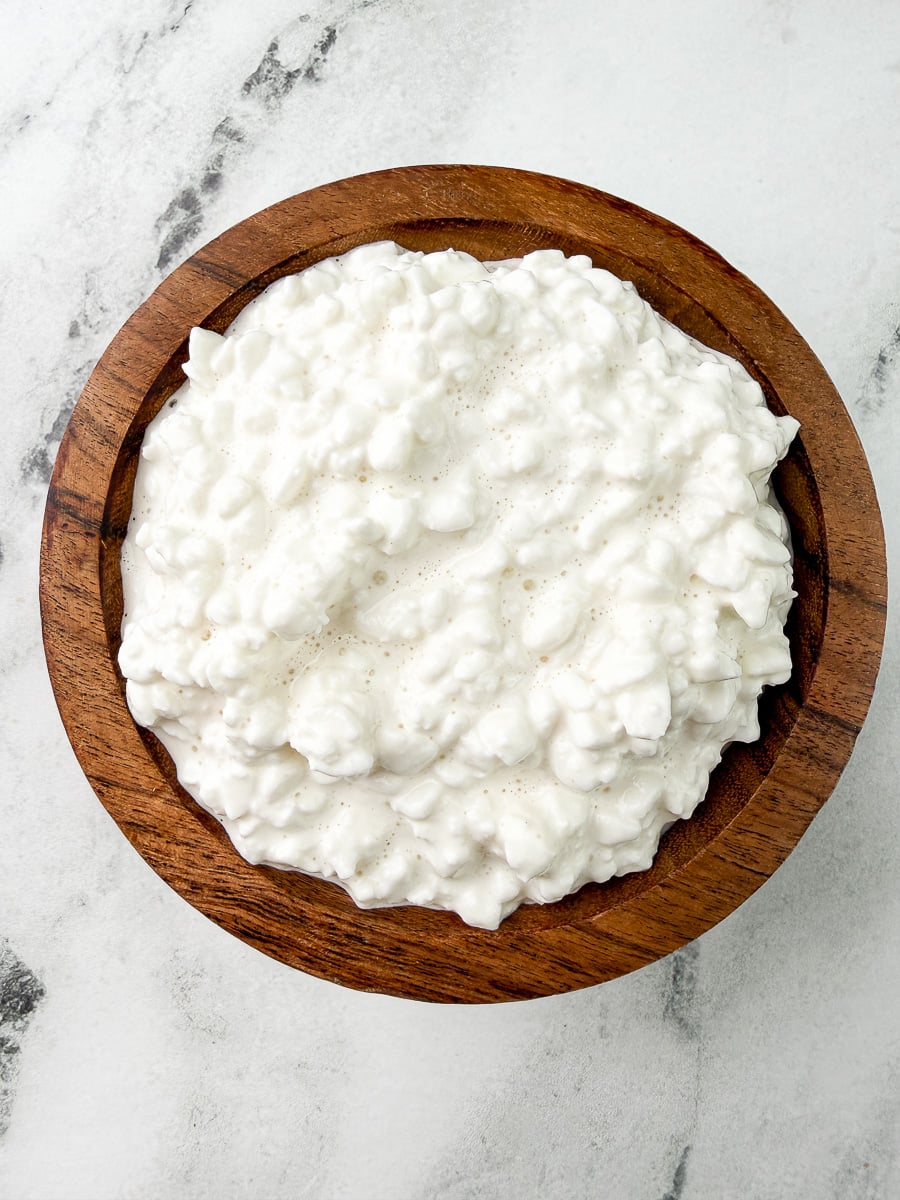
That changed once I started experimenting with it in recipes. When you blend cottage cheese, it transforms into a smooth, creamy textured base that works surprisingly well in dips, sauces, and dressings. It has a mild flavor, and this means it blends easily with other ingredients you add to it.
I absolutely love what you can make with cottage cheese, and in this guide I'm sharing what it is, how it's made, what it tastes like, and how I like to use it in everyday cooking.
Jump to:
- What is cottage cheese and how is it made?
- What does cottage cheese taste like?
- Types of cottage cheese
- Why cottage cheese works so well in recipes
- How to blend cottage cheese smooth
- How to use cottage cheese in everyday cooking
- Cottage cheese vs Ricotta
- Cottage cheese vs Greek Yogurt
- Storage and expert tips
- FAQ
- Related
What is cottage cheese and how is it made?
Cottage cheese is a fresh cheese made from milk by acidifying it in order to separate curds from whey. Unlike aged cheeses such as cheddar cheese or parmesan, cottage cheese is not pressed or matured. This is why it has the characteristic pebbled texture and mild flavor.
Cultures or acid are added to milk, which causes the milk proteins to form small curds. These curds are then cut and heated slightly, so that they separate from the liquid whey, which is then drained. The resulted curds are then rinsed and then mixed with a small amount of cream or milk. Cottage cheese stays light and fresh. Its mild flavor works well both on its own and as an ingredient in many recipes.
What does cottage cheese taste like?
Cottage cheese has a mild, slightly tangy flavor. It has a creamy, fresh taste. It isn't as strong or salty as many aged cheeses, which is why it works well in a variety of ways.
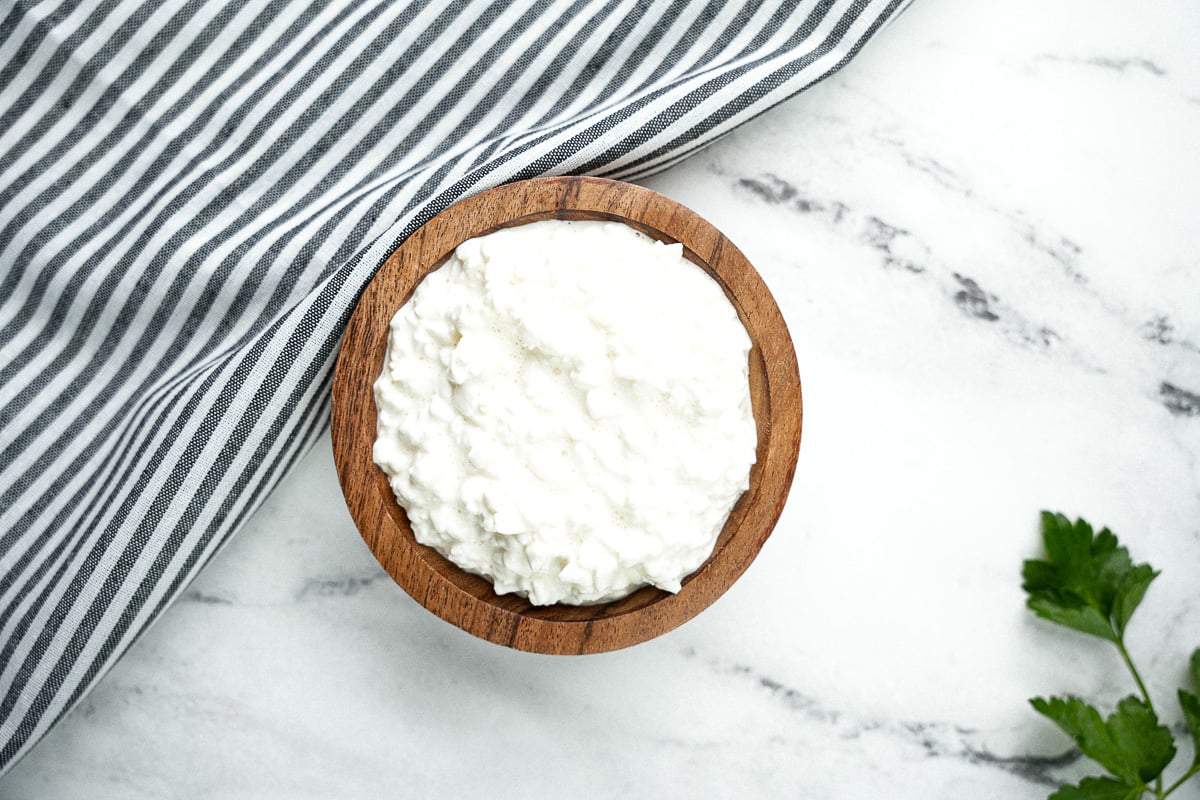
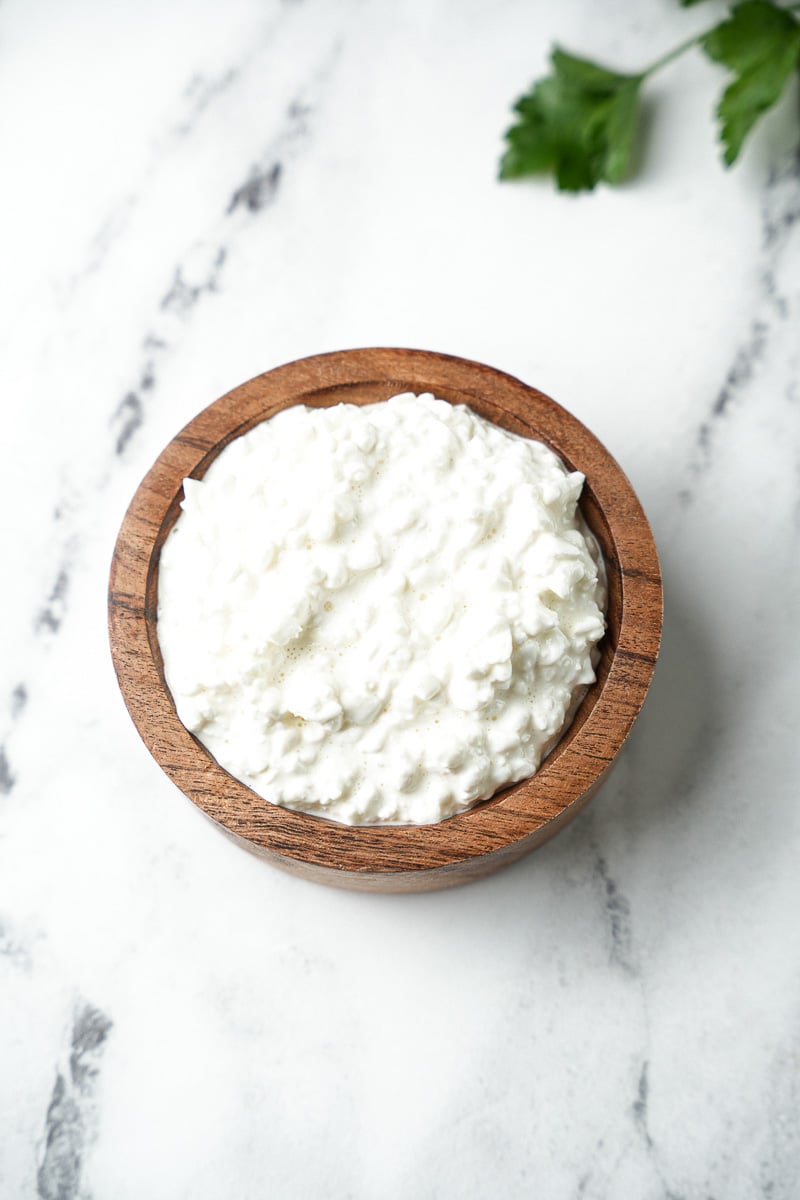
You can recognize its texture pretty easily: made up of soft curds that can vary in size, surrounded by light cream, giving it a slightly lumpy appearance.
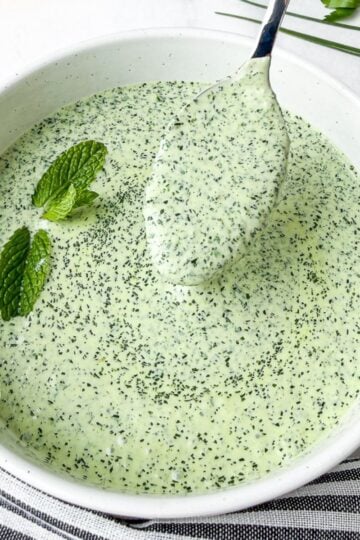
When blended, the curds break down and the texture becomes smooth and creamy. This is why I like using cottage cheese as a base for dips, sauces, dressings and in other dishes.
Another thing to note is that cottage cheese has a neutral enough flavor that it can easily take the flavor of other ingredients you mix it with - whether that's some berries, honey, roasted garlic, fresh herbs, lemon, or spices.
Types of cottage cheese
You might find several types of cottage cheese at the grocery store or farmers market. The main differences come down to curd size, fat content, and texture.
Small curd cottage cheese
This has a smaller curd size, which is also typically softer. Many people prefer this type because it blend more easily. This is the type I typically use in my kitchen, whether I plan to eat it for breakfast with some berries or blend it into a creamy dip or sauce.
Large curd cottage cheese
This type typically contains bigger, more distinct curds. The texture also feels slightly firmer and chunkier compared to the small curd type. Some people enjoy large curd cottage cheese as the curds hold their shape better.
Full-fat cottage cheese
This type of cottage cheese contains more milk fat, and this results in a richer flavor and creamier texture. It blends more smoothly and tastes a bit fuller. For dips and sauces I prefer using this type.
Low-fat or fat-free cottage cheese
Low-fat or fat-free cottage cheese contains less milk fat. They can still work very well in recipes and the texture is typically thinner and the flavor milder.
Why cottage cheese works so well in recipes
I never thought of cottage cheese as a versatile ingredient or that you can use it in many recipes until I tried using it for a dip recipe for the first time. The result amazed me and I quickly realized how well it works in many recipes.
One of the main reasons it works so well is that it has a mild flavor. It is not overpowering, which means it easily takes on the flavor of whatever ingredients you combine it with. Roasted vegetables, herbs, garlic, spices, lemon all blend well with it.
Another advantage is its naturally creamy texture. The curds break down when blended and turn into a smooth, rich base. This base works very well for dips, sauces, and dressings.
Cottage cheese is also naturally high in protein (especially the full-fat version). The recipes made with it are more satisfying, while at the same time still lighter when compared to cream-based sauces.
This combination of mild flavor, creamy texture, and high protein is why I often use cottage cheese when making dips and dressings. For example, for my Roasted garlic cottage cheese dip, blending the cottage cheese creates a smooth base that pairs perfectly with the roasted garlic, herbs, and spices.
How to blend cottage cheese smooth
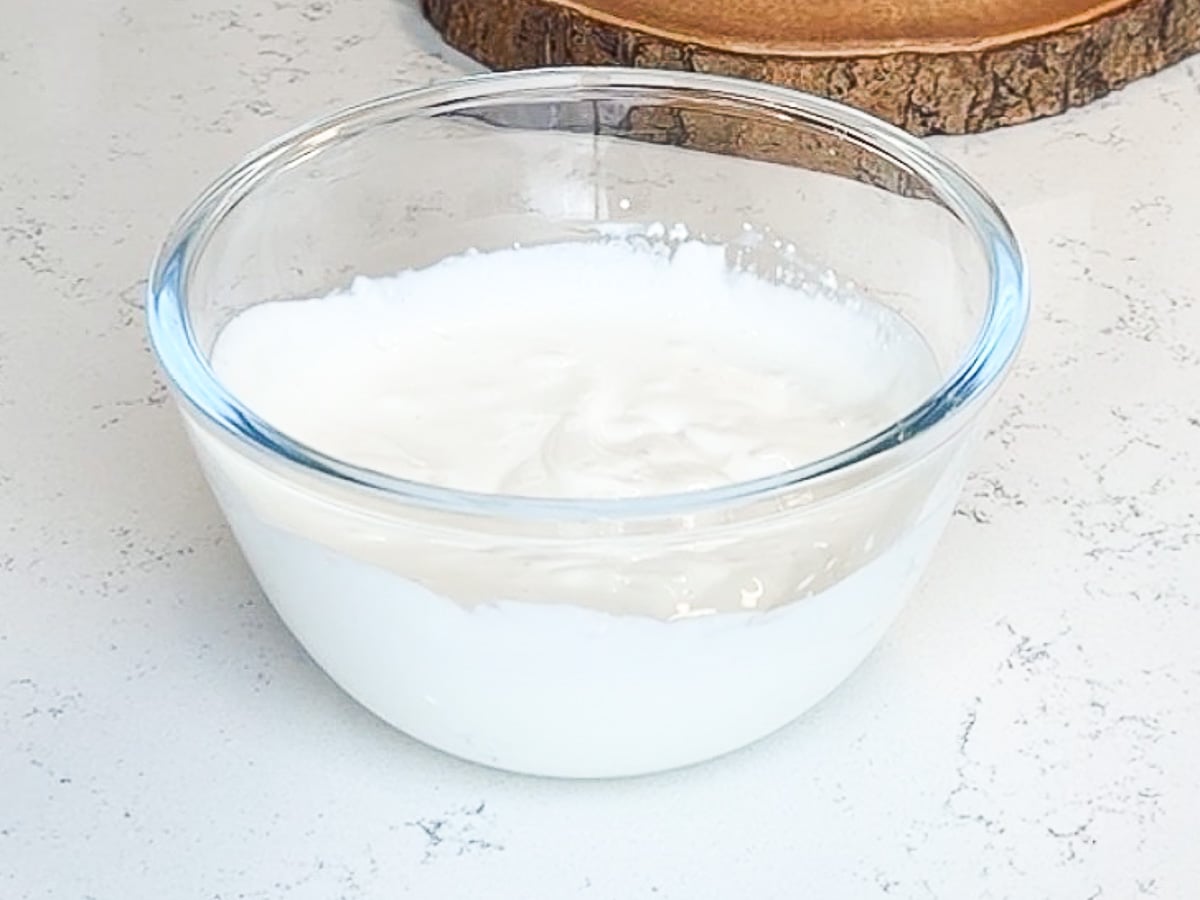
When blended, the soft curds that are naturally contained in cottage cheese break down and transform into a smooth, creamy base.
Here are a few simple ways to blend cottage cheese until smooth:
Use an immersion blender
This is my favorite method so far and the easiest to use from all options listed. I typically simply place the cottage cheese in a bowl or container and blend it directly in there until the curds break down and the texture becomes creamy.
I often follow the 30-seconds rule, where I blend the cottage cheese briefly, let it sit for about 30 seconds, and then blend again. This short pause helps the texture become even smoother.
Use a food processor
A small food processor also works very well. I add it to the food processor bowl and blend it until it becomes smooth and creamy. Using a food processor might mean you may need to stop and scrape down the sides once or twice.
Use a blender
A regular blender can also be used. If you are making a larger batch, this is the equipment to go with. Blend until the texture is smooth and the curds are no longer visible.
Once blended, cottage cheese becomes this versatile base that can be used in a lot of recipes.
How to use cottage cheese in everyday cooking
Cottage cheese can be used in many different ways in the kitchen. It is often enjoyed on its own as a simple snack or as part of breakfast. It also works well as an ingredient in both savory and sweet recipes.
I found cottage cheese can be used in:
- Savory dips and spreads - cottage cheese creates the creamy base for dips and spreads.
- Creamy salad dressings - when blended with herbs, lemon juice, and olive oil, cottage cheese can be used to make a creamy dressing for salads or grain bowls.
- Sauces - cottage cheese can be blended into sauces for vegetables or grilled meats.
- Breakfast bowls with fruit and nuts - cottage cheese is often served with berries, nuts, honey, or granola for a simple and quick breakfast.
- Smoothies if you want an extra protein boost.
Once I started experimenting with it in recipes, cottage cheese became a very versatile ingredient that I always have on hand.
Cottage cheese vs Ricotta
Both cottage cheese and ricotta are soft, fresh cheese which are often compared. They might look somewhat similar, but they are made differently and have distinct textures.
Cottage cheese is made by curdling the milk and separating the curds from whey. This gives cottage cheese its characteristic soft curds and creamy liquid.
Ricotta, on the other hand, is traditionally made from whey, the liquid left over after making other cheeses. The whey is heated again so that the remaining proteins form a very fine, delicate curd.
Flavor-wise, both cheeses are mild, but ricotta tends to taste slightly sweeter and richer. Cottage cheese has a lighter, slightly tangy flavor.
When it comes to cooking, they can sometimes be used interchangeably. However, I like using ricotta more for dishes like lasagna, baked pasta, and desserts, while cottage cheese for dips, spreads, and lighter sauces.
Cottage cheese vs Greek Yogurt
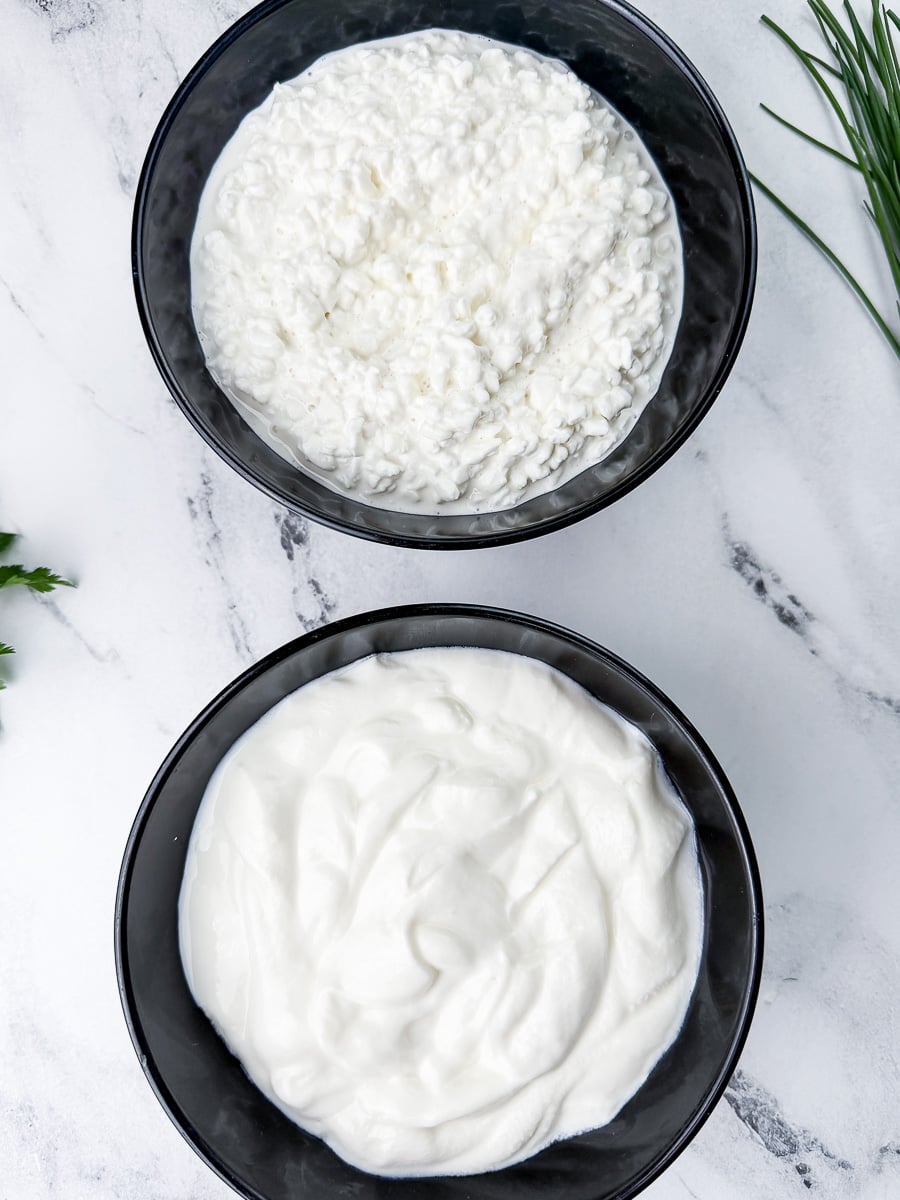
Cottage cheese and Greek yogurt are compared pretty often. They both have a high-protein content and a creamy texture. While they are similar in some ways, they are also very different in other ways.
Cottage cheese is made from milk curds and has a mild flavor. The curds are soft and when blended, the cottage cheese becomes smooth and velvety.
Greek yogurt, on the other hand, is made by straining the yogurt to remove the most of the whey. This becomes a thicker texture mass that has a more pronounced tangy flavor.
In cooking, Greek yogurt is used very often for dressings, marinades, creamy sauces. Cottage cheese, on the other hand, works very well in dips, blended spreads, and recipes where you want a mild creamy base.
Both these options are very versatile and high in protein. Cottage cheese tends to have a milder flavor and this allows it easily to take on the taste of other ingredients in the recipes.
Cottage cheese vs Greek yogurt vs Ricotta
| Feature | Cottage cheese | Greek Yogurt | Ricotta |
|---|---|---|---|
| Main Ingredient | Milk curds | Strained yogurt made from milk | Whey from milk used in cheese production |
| Texture | Soft curds with creamy liquid | Thick and smooth | Smooth, slightly grainy and creamy |
| Flavor | Mild and slightly tangy | Tangy and slightly tart | Mild and slightly sweet |
| Protein Content | High | High | Moderate |
| Common Uses | Dips, spreads, sauces, breakfast bowls | Dressings, marinades, smoothies, sauces | Pasta fillings, baked dishes, desserts |
| Works Well When Blended | Yes – becomes very smooth and creamy | Already smooth | Yes, but naturally smooth already |
| Fat Content | Varies by type (full-fat, low-fat, fat-free) | Varies by type | Typically richer and creamier |
Storage and expert tips
Cottage cheese should always be stored in the refrigerator because it is a fresh cheese with a high moisture content.
Once opened, I typically keep the cottage cheese in its original container, but it can also be transferred to an airtight container to help keep that freshness. I usually use it within 5-7 days after opening, even though the package might say it can be used up until a later date, because it keeps its freshness better if it is not left in the container for a long period of time.
I always use a clean spoon when scooping cottage cheese to avoid introducing bacteria that can shorten its refrigerator shelf life.
If you feel the cottage cheese developing an unpleasant smell, sour taste or unusual texture (like more separation than typical), it's best to discard it and buy a fresh pack.
FAQ
Cottage cheese is a dairy product that contains protein, calcium, and other nutrients. Like many diary foods, it can be part of a balanced diet when enjoyed in appropriate amounts. The exact nutritional profile varies by brand. Choosing full-fat, low-fat, or fat-free also plays a role in the nutritional provile.
Blending cottage cheese breaks down the curds and creates a smooth, creamy texture. This makes it easier to use for dips, sauces and dressings. Once blended, cottage cheese becomes more similar in texture to thick yogurt or ricotta.
Yes. Cottage cheese can be used in many recipes, especially when blended. It works well in dips, sauces, spreads, baked dishes, and even some breakfast recipes. Because it has a mild flavor, it easily takes on the taste of other ingredients like herbs, garlic, or lemon.
In some recipes it can. If cottage cheese is blended until smooth, it can sometimes be used as a substitute for ricotta in dishes like pasta fillings or dips. However, ricotta has a naturally smoother texture and slightly richer taste, so the final result may be a little different.
Once opened, cottage cheese should be stored in the refrigerator and is typically best used within 5-7 days. Always check the package date and use a clean spoon when serving to help maintain freshness.
Cottage cheese is a simple ingredient that can be more versatile than what most people expect. It works very well in a variety of recipes.
Its mild flavor and creamy texture, especially when blended, make it an excellent choice as a base for dips, dressings, and spreads.
If you're looking for simple ways to start cooking with it, try my Roasted garlic cottage cheese dip. In this recipe, blended cottage cheese pairs with roasted garlic and herbs to create a smooth, delicious dip.
Once you begin experimenting with cottage cheese, it becomes very clear why it became such a popular options in so many kitchens.
Related
Like this post about cottage cheese? Check-out some of my favorite sauces and dips!