How to Boil Rice Perfectly (Water Ratios for Basmati, Jasmine, Brown & More)

Knowing how to boil rice perfectly may seem straightforward, but as any home cook knows, different grains behave very differently once they hit the pot. The amount of water you use, the cooking time, and even whether you rinse the rice first can completely change the final texture. That's why relying on a "one-size-fits-all" ratio often leads to rice that's mushy, sticky, or unevenly cooked.
In this guide, I'm sharing the exact water ratios and methods I use to boil common rice varieties, including Basmati, Jasmine, Long Grain White Rice, Calrose Rice, and Brown Rice. I've also included Arborio Rice for those times when a creamier texture is the goal.
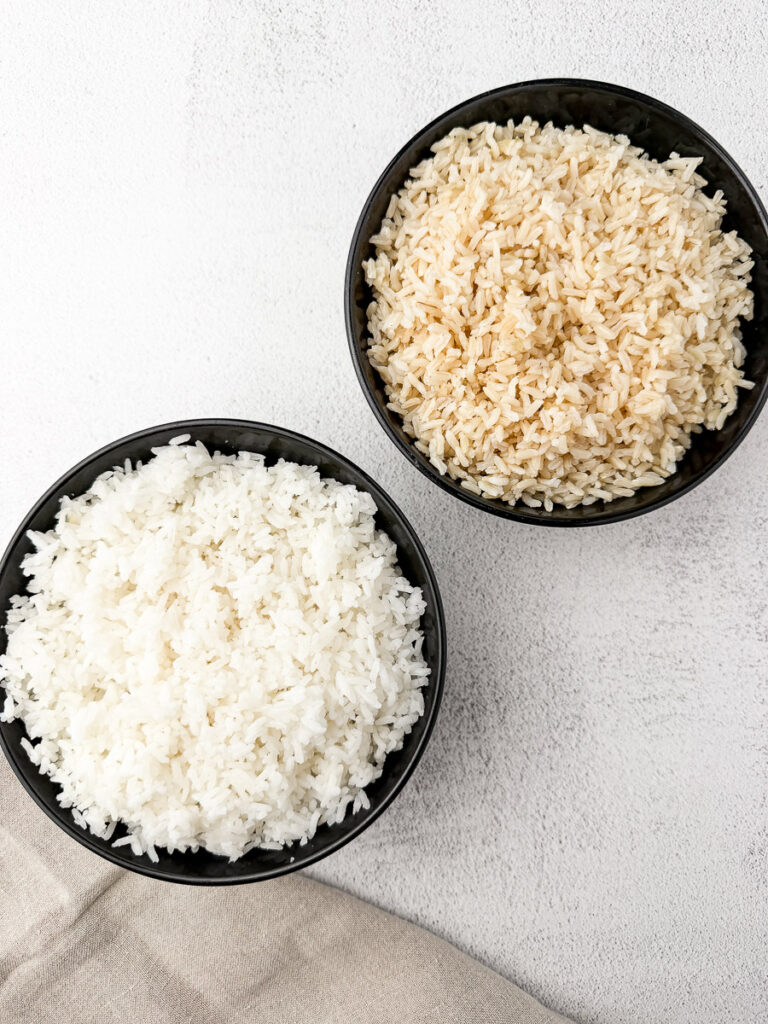
Through my own kitchen testing, I've found that a 3:3.5 ratio produces light, fluffy white rice, while a 2:3 ratio consistently yields tender, well-cooked brown rice. I also compare these popular rice types side by side so you can see how each one looks when cooked and choose the best option for casseroles, stir-fries, or meal-prep bowls.
Whether you're cooking a quick weeknight side or prepping rice ahead for the week, mastering the right ratio makes all the difference.
Watch How To Make It: Video
Table of Contents
- Visual Guide: 6 Types of Rice Compared
- How Rice Type Affects Water Ratios and Texture
- How Long Does Rice Take to Cook?
- Should You Rinse Rice Before Boiling?
- Basmati vs Jasmine Rice: Key Differences
- What Is Calrose Rice and How Does It Cook?
- Arborio Rice and Why It Becomes Creamy?
- How to Boil Perfect White Rice
- How to Boil Perfect Brown Rice
- Rice Water Ratios by Type (Quick Reference Cheat Sheet)
- Common Rice Cooking Mistakes and Fixes
- How to Store and Reheat Cooked Rice Safely
- Frequently Asked Questions About Boiling Rice
- Printable Recipe Card
Visual Guide: 6 Types of Rice Compared

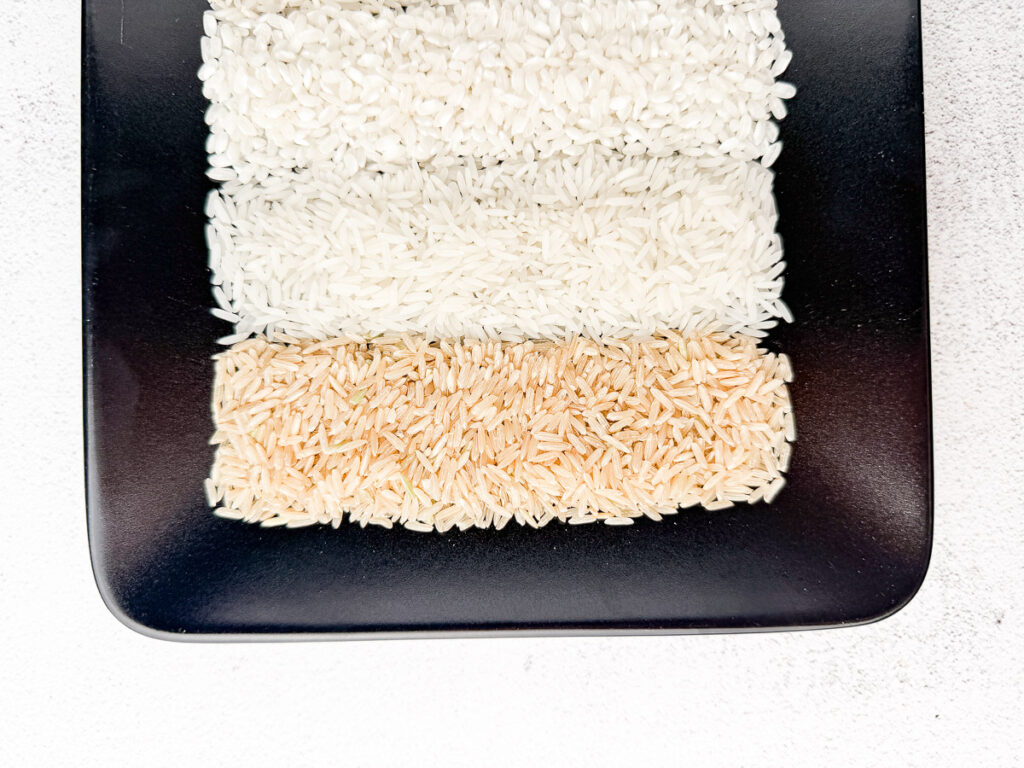
Seeing rice before and after cooking makes it much easier to understand how different varieties behave in the pot. Even when boiled using similar methods, each type absorbs water differently and finishes with its own texture, aroma, and appearance.
Below is a closer look at six common rice types, how they cook, and when I reach for each one.
Basmati Rice
Basmati rice has long, slender grains and a light, aromatic flavor. When boiled, the grains lengthen significantly and stay separate, resulting in a signature fluffy texture.
- Best For: Indian curries, pilafs, and biryani.
- Pro Tip: I find Basmati works best when rinsed before cooking to remove excess surface starch.
Jasmine Rice
Jasmine rice is also a long-grain rice, but it cooks up slightly softer and more fragrant than Basmati. The grains are tender with a subtle stickiness that helps them hold together without becoming mushy.
- Best For: Stir-fries, rice bowls, and Southeast Asian-inspired meals.
- Texture: Soft, buttery, and slightly floral.
Long Grain White Rice
Long grain white rice is a pantry staple and one of the most versatile options. When boiled with my tested 3:3.5 ratio, the grains stay light and separate with a neutral flavor that pairs well with almost anything.
- Best For: Everyday meals, casseroles, and meal prep.
- Why I Love It: It's the most dependable "all-purpose" rice for busy weeknights. I often use this rice for my Easy Shrimp and Rice Casserole recipe which requires cooked rice.
Calrose Rice
Calrose rice is a medium-grain variety that becomes noticeably softer and stickier once cooked. It absorbs water evenly and has a tender bite, making it a good option for dishes where you want the rice to hold together.
- Best For: Poke bowls, sushi, or Hawaiian-style plate lunches.
- Texture: Medium stickiness; holds its shape well when scooped.
Brown Rice
Brown rice still has its bran layer intact, which gives it a nuttier flavor and chewier texture. Because it absorbs water more slowly, it requires a higher ratio-I use 2 cups of rice to 3 cups of water-and a longer cooking time.
- Best For: Healthy grain bowls and meal prep.
- Health Note: Higher in fiber and nutrients than white rice.
Arborio Rice
Arborio rice is a short-grain, high-starch rice best known for its creamy texture. When boiled, it releases starch into the cooking liquid, creating a soft, velvety finish.
- Best For: Risotto, rice pudding, or arancini.
- Comparison Note: This is the "stickiest" of the bunch because of its high amylopectin (starch) content.
How Rice Type Affects Water Ratios and Texture
One of the biggest lessons I've learned from cooking rice regularly is that water ratios aren't arbitrary. The variety of rice you're using directly affects how much water it needs, how long it takes to cook, and what the final texture will be.
The main factors that influence this are grain length, starch content, and whether the rice is white or brown.
Grain Length and Starch Content
Long-grain rice varieties, such as Basmati, Jasmine, and standard Long Grain White rice, contain a higher percentage of amylose. This type of starch helps the grains stay separate and firm as they cook, which is why these varieties turn out fluffy rather than sticky. Because of this structure, they generally require less water and cook more quickly.
In contrast, medium-grain rice (like Calrose) and short-grain rice (like Arborio) contain more amylopectin.
- Medium-grain: Releases enough surface starch to make the grains cling together slightly.
- Short-grain: Contains the highest amount of starch, which thickens the surrounding liquid to create a creamy texture instead of distinct grains.
White Rice vs. Brown Rice
Brown rice behaves differently from all white rice because it is a whole grain with its outer bran layer and germ intact.
- The Barrier: That fibrous layer acts as a barrier, slowing down water absorption.
- The Result: This is why brown rice needs significantly more water and a longer cooking time to become tender.
Expert Tip: Using the same ratio for brown rice as you do for white rice almost always results in rice that's undercooked or crunchy in the center. For the best results in your meal prep or casseroles, always account for that extra hydration time.
How Long Does Rice Take to Cook?
One of the most common questions I hear on the How to Boil Rice topic is how long it actually takes. The answer depends entirely on the type of rice, the amount of water used, and whether the rice is white or brown. Cooking time isn't just about softness-it also affects texture, moisture, and how well the rice holds up after cooling.
In my kitchen testing, I've found that most white rice varieties cook relatively quickly, while brown rice consistently takes longer because of its outer bran layer.
Average Rice Cooking Times (Boiling Method)
These times start once the rice has come to a gentle simmer and the pot is covered.
- Basmati rice: 12-18 minutes
- Jasmine rice: 12-18 minutes
- Long grain white rice: 18-25 minutes
- Calrose rice: 15-18 minutes
- Brown rice: 35-45 minutes
- Arborio rice: 18-22 minutes (boiled, not risotto-style)
Pro Tip: Cooking over heat that's too high can cause the water to evaporate too quickly, while heat that's too low can leave the rice undercooked. Aim for a steady, low simmer once the lid is on.
Why Cooking Time Varies
White rice cooks faster because the bran and germ have been removed, allowing water to penetrate the grain quickly. Brown rice still has that outer layer intact, which slows absorption and requires both more water and more time to soften fully.
Grain size also matters. Thicker or shorter grains take longer for heat and moisture to reach the center, while long, slender grains cook more evenly and quickly.
How to Tell When Rice is Done
I always recommend checking rice for doneness by texture rather than strictly by the clock. Fully cooked rice should be tender all the way through, with no hard or chalky center.
Don't forget the rest! Regardless of the type, I always let my rice sit off the heat, covered, for at least 10 minutes after the timer goes off. This allows the steam to finish the job and results in a much better texture for meal prep and casseroles.
Should You Rinse Rice Before Cooking?
Rinsing rice is one of those steps that often sparks debate, but in my experience, it depends entirely on the type of rice and the texture you're aiming for. Rinsing doesn't change how rice cooks internally, but it does affect how much surface starch remains on the grains.
When you rinse rice under cold water, you're washing away excess starch left over from the milling process.
When Rinsing is Essential (Long-Grain White Rice)
For varieties like Basmati, Jasmine, and standard Long Grain White rice, rinsing is the secret to success. It helps the grains stay separate and prevents a gummy or sticky finish. When I want fluffy, distinct grains-especially for casseroles or stir-fries-I almost never skip this step.
When Rinsing is Optional (Medium and Short-Grain)
For grains like Calrose and Arborio, rinsing is more of a personal choice. These types naturally release more starch as they cook, which provides that signature soft or creamy texture.
- Calrose: Rinsing lightly can reduce surface starch, but it won't eliminate the natural stickiness.
- Arborio: If you are using this for risotto, you actually should not rinse it, as that starch is what makes the dish creamy!
Rinsing Brown Rice
Brown rice doesn't require rinsing for texture because the bran layer acts as a protective jacket for the starch. However, I still recommend a brief rinse simply to remove any dust or debris from packaging. It won't significantly change how the brown rice cooks, but it's a good hygiene habit.
How To Rinse the Rice the Right Way
You don't need fancy equipment to rinse rice properly. Here is my simple 30-second method:
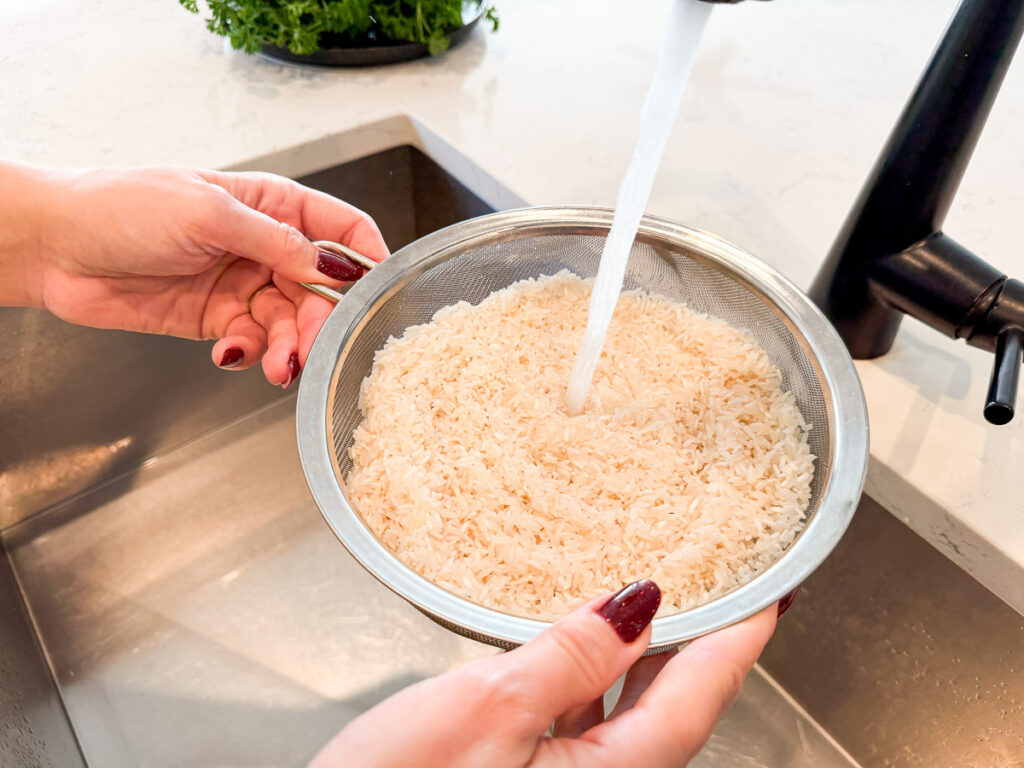
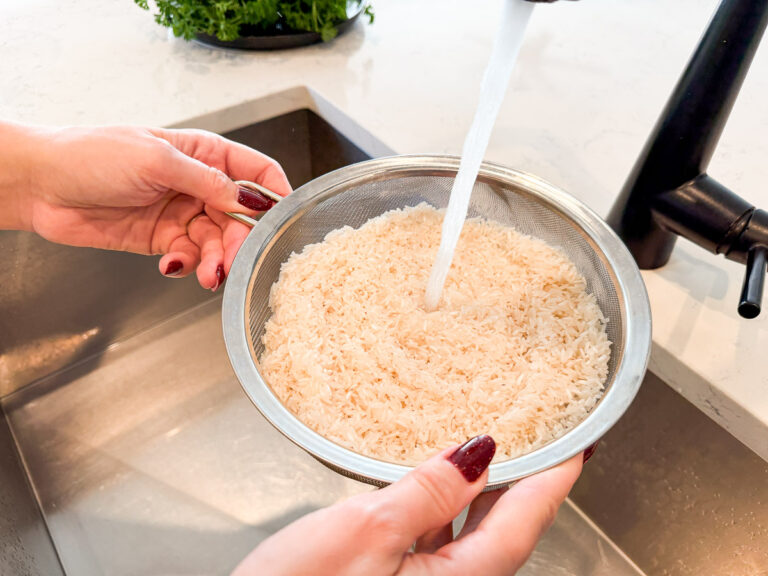
1. Use a Strainer: Place the dry rice in a fine-mesh strainer.
2. Cold Water: Run cold water over the rice.
3. Swirl: Gently swirl the grains with your hand to ensure the water reaches everything.
4. Watch the Water: Continue until the water running through the bottom is mostly clear (it may never be 100% clear, and that's okay!).
Note: If you don't have a fine-mesh strainer, you can rinse the rice directly in the pot. Fill it with water, swirl, and carefully tilt the pot to pour the starchy water out, repeating until the water looks clear.

Basmati vs Jasmine Rice: Key Differences
While both are popular long-grain varieties, Basmati and Jasmine rice are not the same. The main differences lie in their origin, texture, and how they behave once boiled.
| Feature | Basmati Rice | Jasmine Rice |
| Grain Shape | Extra long and slender. | Long, but slightly plumper. |
| Texture | Fluffy, firm, and separate. | Soft, moist, and slightly sticky. |
| Aroma | Nutty and popcorn-like. | Delicate and floral. |
| Cooking result | Grains lengthen but don't stick | Grains cling together gently. |
When to Use Basmati
Basmati rice cooks up light and fluffy, with long grains that stay separate. Because of this texture, it's my first choice for:
- Indian curries and Middle Eastern pilafs
- Biryani or dishes with rich sauces where distinct grains matter
- Meal prep, since it resists clumping after refrigeration
When to Use Jasmine
Jasmine rice has a softer, more tender texture with just enough stickiness to hold together without becoming heavy. I reach for jasmine rice when making:
- Thai and Vietnamese dishes
- Stir-fries and simple rice bowls
- Side dishes where the rice should absorb lighter flavors
What Is Calrose Rice and How to Boil this Rice?
Calrose is a medium-grain rice that serves as the perfect "middle ground." It is shorter than Jasmine rice but longer than Arborio, offering a versatile balance for everyday cooking.
How it Cooks: Unlike fluffy Basmati, Calrose grains cling together, making them perfect for dishes where you want the rice to hold its shape.
Texture: Soft, tender, and notably sticky without being "mushy."
Best For: Sushi, poke bowls, or Hawaiian-style "scoop" rice.
Arborio Rice and Why It Becomes Creamy?
Arborio is a high-starch short-grain rice primarily used when you want a velvety, rich finish instead of separate, fluffy grains.
Pro-Tip: Do not rinse Arborio rice before cooking! Rinsing washes away the surface starch that creates its famous creamy texture.
Texture: Very creamy and soft on the outside with a signature firm (al dente) bite in the middle.
Best For: Risotto, rice pudding, and arancini.
How it Cooks: It releases heavy amounts of starch as it boils, which thickens the cooking liquid into a velvety sauce.
How to Boil Perfect White Rice
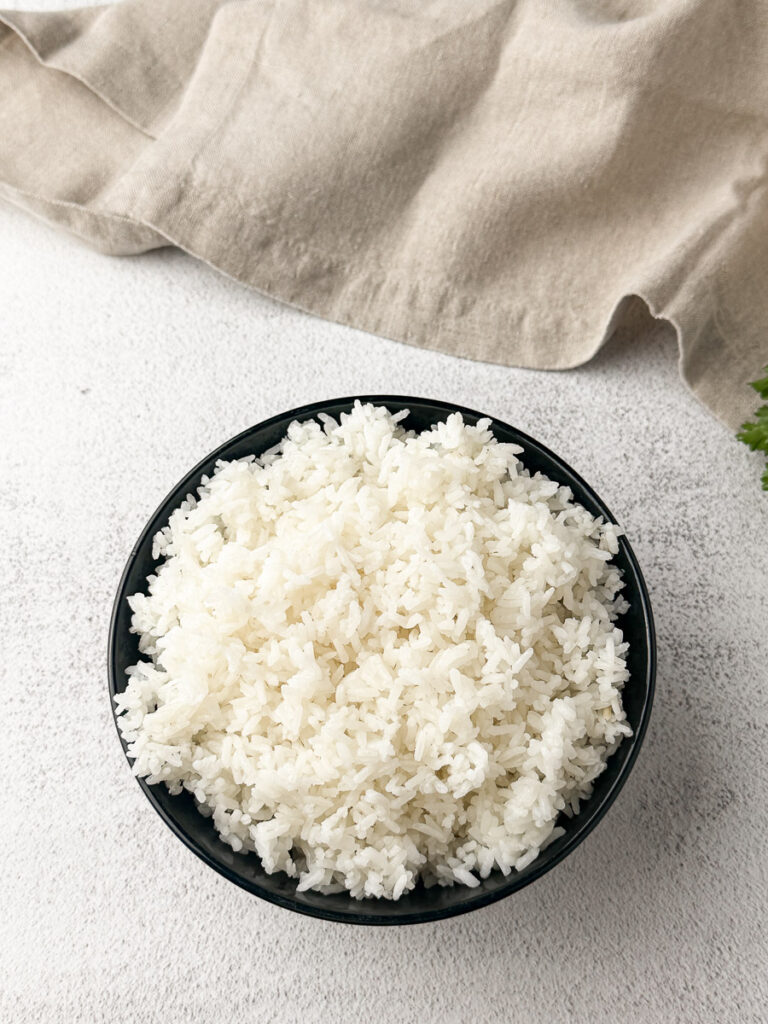
For most white rice varieties-including Basmati, Jasmine, and standard Long Grain-I rely on a simple boiling method that produces fluffy, dependable results every time. The secret lies in the precision of the water ratio and keeping the heat steady.
The 3 : 3.5 Water Ratio (White Rice)
Through my kitchen testing, I've found that for every 3 cups of white rice, 3.5 cups of water is the magic number. This ratio provides exactly enough moisture to cook the grains through while keeping them distinct and preventing them from becoming soggy.
Step-by-Step Instructions
1. Rinse: Rinse the rice under cold water in a fine-mesh strainer until the water runs mostly clear.
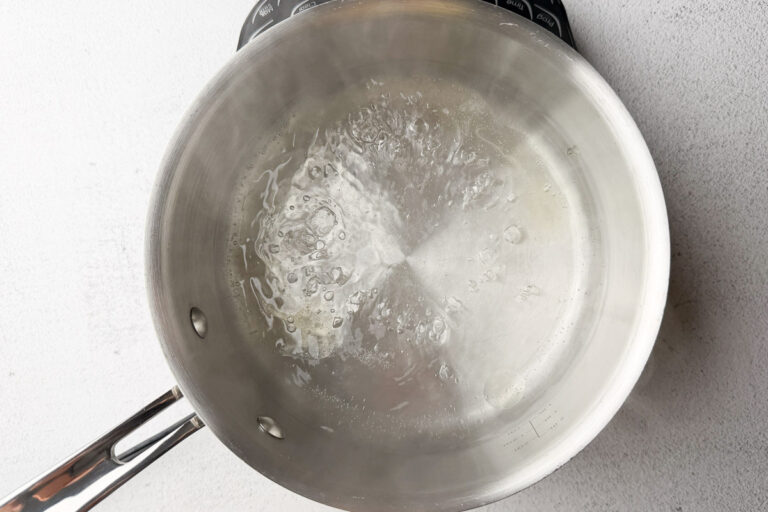
2. Boil Water: Bring the 3.5 cups of water to a boil in a medium saucepan. Add a pinch of salt and a teaspoon of oil or butter for extra flavor.

3. Combine: Add the 3 cups of rinsed rice to the boiling water. Let the water return to a boil over medium-high heat.
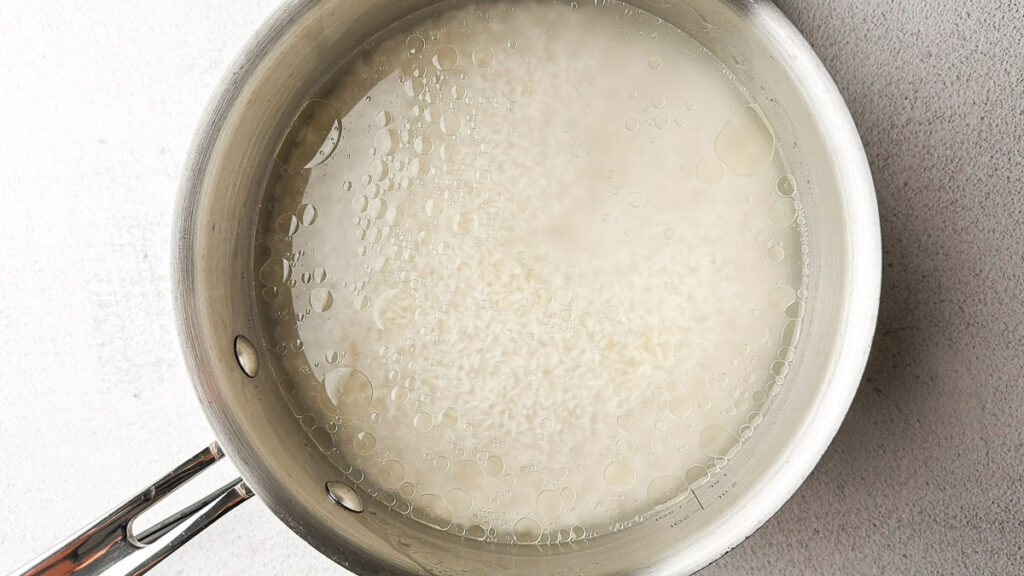
4. Simmer: Immediately reduce the heat to low, cover the pot with a tight-fitting lid, and let the rice simmer gently.
5. Cook: Simmer for 18-25 minutes (check for doneness at the 20-minute mark).
6. Rest: Remove the pot from the heat. Do not lift the lid! Let the rice rest, covered, for 10 minutes to finish steaming.
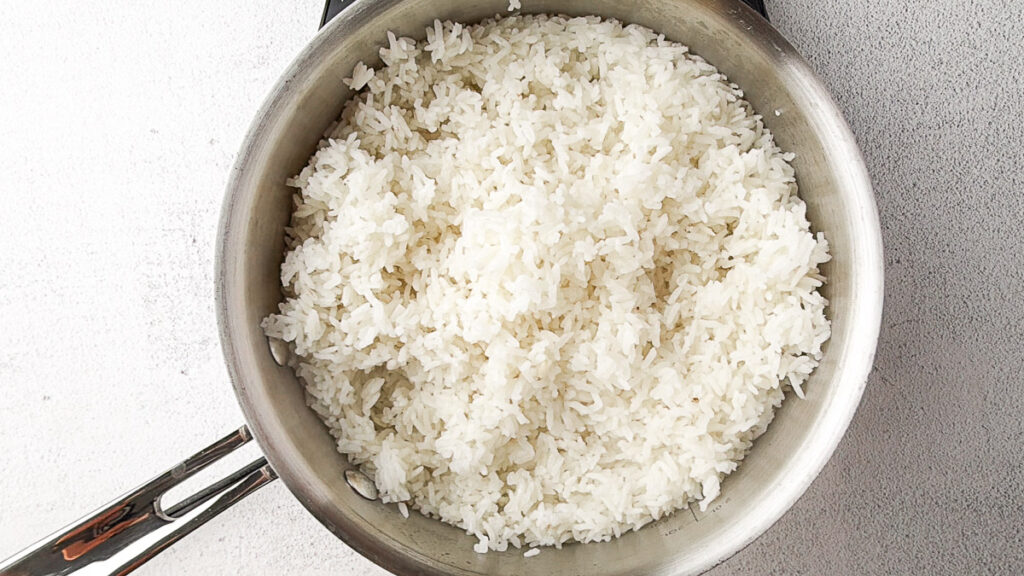
7.Fluff: Gently fluff the rice with a fork before serving.
Texture and Best Uses
When cooked using this method, white rice turns out light and fluffy with separate grains.
- Best For: Everyday side dishes, stir-fries, and rice bowls.
- Pro Tip for Casseroles: This slightly firmer texture is perfect for modern casseroles because it won't turn into mush when mixed with other ingredients and baked.
How to Boil Perfect Brown Rice

Brown rice is a whole grain, meaning it still has its outer bran layer and germ intact. While this makes it more nutritious, it also means it behaves very differently in the pot than white rice. It requires more water and a longer stay on the stove to reach that perfect, tender-but-chewy texture.
The 2:3 Water Ratio (Brown Rice)
Because that outer bran layer acts as a barrier to moisture, you need a higher volume of liquid. Through my testing, I found the "Golden Ratio" for brown rice is 2 cups of rice to 3 cups of water. This ensures the grains soften completely without the centers staying crunchy.
How Brown Rice Method Differs from White Rice
You can follow the same general "Boil, Simmer, Rest" method used for white rice, but with these three critical adjustments:
- Longer Cook Time: Brown rice needs significantly more time to absorb the water. Plan for 35-45 minutes of simmering compared to the 20 minutes for white rice.
- Don't Skip the Rinse: While it doesn't remove as much starch as it does for white rice, rinsing brown rice is important for removing dust and debris from the bran.
- The Mandatory Rest: Letting brown rice sit for 10 minutes after cooking is even more important here. The residual steam finishes softening the tough outer shell, making it much more pleasant to eat.
Texture and Best Uses
When boiled with a 2:3 ratio, brown rice has a distinct nutty flavor and a firm, satisfying bite.
- Best For: Hearty grain bowls, kale salads, and meal prep.
- Why it works: It holds its shape exceptionally well after cooling and won't get mushy when reheated, making it the king of healthy leftovers.
Rice Water Ratios by Type (Quick Reference Cheat Sheet)
Using the correct water ratio is the easiest way to get consistent results when boiling rice. While exact amounts can vary slightly by brand and age of the rice, these ratios reflect what I've found works reliably for everyday cooking.
| Rice Type | Rice: Water Ratio | Typical cook time | Texture cooked |
| Long Grain White Rice | 1 : 1.15 | 18-25 min | Light, fluffy, separate grains |
| Basmati Rice | 1 : 1.15 | 15-18 min | Long, dry, fluffy grains |
| Jasmine Rice | 1 : 1.15 | 15-18 min | Soft, slightly sticky |
| Calrose Rice | 1 : 1.25 | 20-25 min | Tender, slightly sticky |
| Brown Rice | 1 : 1.5 | 35-45 min | Firm, chewy, well-defined |
| Arborio Rice | 1 : 1.3 | 25-30 min | Soft, creamy texture |
How to Use This Chart
- These ratios are based on the boiling/absorption method, not rice cookers.
- Cooking times start once the rice is simmering and the pot is covered.
- If you prefer firmer rice, reduce the water slightly; for softer rice, add 1-2 tablespoons more water per cup.
I often reference this cheat sheet when planning meals, especially when switching between rice types during the week.
Common Rice Cooking Mistakes and Fixes
Even with the right ratio, small missteps can affect how your rice turns out. Over time, these are the most common rice-cooking issues I see-and the easiest ways to fix them.
My Rice is Crunchy or Undercooked
This usually means the rice didn't absorb enough water or didn't cook long enough.
- The Fix: Sprinkle 2-3 tablespoons of water over the rice, cover the pot tightly, and return it to the lowest heat for 5 minutes.
- The Secret: Always let it rest off the heat before fluffing so the trapped steam can finish softening the grains.
My Rice is Mushy or Waterlogged
Too much water or overcooking can cause rice grains to split and turn soft.
- The Fix: If there's excess water, drain it immediately. Spread the rice out on a baking sheet to let the steam escape quickly.
- Pro-Tip: If the rice is too mushy for a side dish, save it! It's actually perfect for modern casseroles or fried rice the next day.
My Rice is Sticky or Gummy
Excess surface starch is usually the culprit.
- The Fix: You can't "un-stick" rice once it's cooked, but you can prevent it next time by rinsing your white rice until the water runs clear.
- The Rule: Once the lid goes on, stop stirring. Stirring releases starch, which creates that gummy texture we want to avoid in fluffy Basmati or Jasmine rice.
My Rice Burned on the Bottom
This happens when the heat is too high or the pot has a thin bottom.
- The Fix: Do not scrape the bottom of the pot! Gently lift the unburned rice off the top and move it to a clean bowl.
- The Bread Trick: If the rice smells smoky, place a piece of white bread on top of the "saved" rice for 5 minutes to help absorb the burnt odor.
My Rice Tastes Bland
Rice needs seasoning from the inside out.
- The Fix: Always add a pinch of salt to the cooking water before it boils.
- The Flavor Boost: For a richer result, try cooking your rice in chicken or vegetable broth instead of plain water. This is one of my favorite foundation techniques for building better flavor in every meal.
How to Store and Reheat Cooked Rice Safely
Proper storage and reheating are just as important as the cooking method. Handling rice correctly ensures it keeps its texture and, more importantly, stays safe for your family to eat.
How to Store Cooked Rice
The goal is to cool the rice quickly to prevent bacteria growth.
- Cool Promptly: Transfer rice to an airtight container as soon as it is no longer steaming hot.
- The One-Hour Rule: Aim to have your rice in the refrigerator within one hour of cooking.
- Fridge Life: Cooked rice stays fresh in the refrigerator for up to 4 days when kept tightly covered.
- Portioning: Consider portioning the rice into smaller containers before storing to make reheating easier for individual meals.
Can You Freeze Cooked Rice?
Yes! Rice freezes beautifully and is a "30-minute meal" lifesaver.
- Method: Spread the rice out to cool completely, then transfer it to freezer-safe bags or containers.
- Freezer Life: Frozen rice stays good for up to 2 months.
The Best Ways to Reheat Rice
Rice loses moisture in the fridge, so the secret to reheating is adding that moisture back in to "re-steam" the grains.
- Microwave Method: Sprinkle the rice with a little water and cover the bowl loosely. Heat in short intervals, stirring occasionally, until steaming hot.
- Stovetop Method: Add a splash of water to a saucepan, cover with a tight lid, and warm gently over low heat.
- Safety First: Always reheat rice until it is steaming hot all the way through, and never reheat the same portion of rice more than once.
Food Safety Note: Cooked rice can harbor bacteria if left at room temperature for too long. Refrigerating it promptly and reheating it thoroughly are essential steps for food safety.
Frequently Asked Questions About Boiling Rice
If you've ever stood over a pot of rice wondering if you should peek under the lid or add more salt, you aren't alone! Here are the answers to the most common questions I get about getting rice just right.
Should you salt rice water?
Can you boil rice like pasta and drain it?
Why does my rice split or burst open?
Is it okay to lift the lid while rice is cooking?
Do different brands of rice cook differently?
Why does rice taste dry after reheating?

How to Boil Rice Perfectly (White and Brown)
Equipment
- Fine-mesh strainer (Essential for rinsing excess starch).
- Medium saucepan (Must have a tight-fitting lid to trap steam)
- Fork (For fluffing the grains without breaking them).
Ingredients
White Rice Ratio (Basmati, Jasmine, or Long Grain)
- 3 cups White Rice (rinsed until water runs clear)
- 3.5 cups Water
- 1 teaspoon Salt (optional)
- 1 teaspoon Oil or Butter (optional)
Brown Rice Ratio
- 2 cups Brown Rice (rinsed)
- 3 cups Water
- 1 teaspoon Salt (optional)
- 1 teaspoon Oil or Butter (optional)
Instructions
- Rinse the Rice: Place your dry rice in a fine-mesh strainer and rinse under cold water. For white rice, continue until the water runs mostly clear.

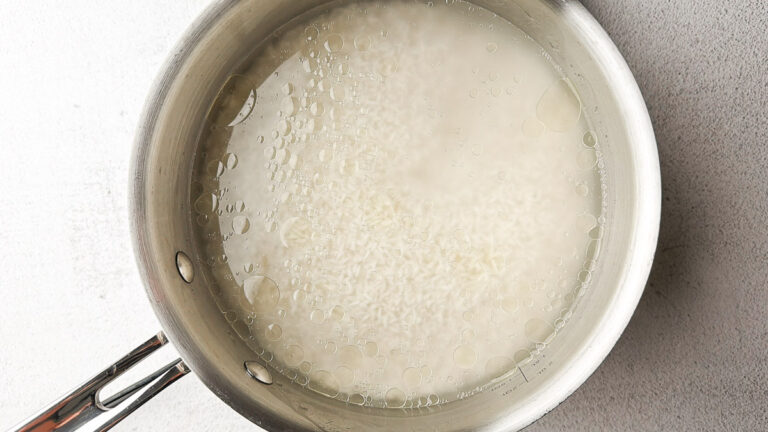
- Boil Water: In a medium saucepan, bring the measured water, salt, and fat (oil or butter) to a rolling boil over medium-high heat.

- Add Rice: Add the rinsed rice to the boiling water and stir once. Let the water return to a gentle boil.

- Simmer: Immediately reduce the heat to low and cover the pot with a tight-fitting lid.White Rice: Simmer for 18-25 minutes.Brown Rice: Simmer for 35-45 minutes.
- The Rest (Crucial Step): Once the water is fully absorbed, remove the pot from the heat. Do not lift the lid. Let the rice sit undisturbed for 10 minutes to finish steaming.
- Fluff and Serve: Remove the lid and gently fluff the rice with a fork to separate the grains.

Notes
- Scaling: If you reduce the recipe, maintain the ratios (e.g., 1 cup white rice to 1.15 cups water).
- Alt-Methods: If you prefer a firmer rice for modern casseroles, ensure you do not skip the rinsing step.
- Reheating: Add a splash of water and cover when reheating to restore the original moisture.
Nutrition