Creamy One-Pan Cabbage and Kielbasa Skillet (30-Minute Dinner)
This creamy one-pan cabbage and kielbasa skillet is my absolute go-to when I need a meal that feels like a big hug but won't leave me with a sink full of dishes. Let's be real: I love the flavors of traditional stuffed cabbage as much as anyone, but on a random Tuesday, I rarely have the energy for all that rolling and layering. This 30-minute skillet version gives me those same cozy flavors with about a quarter of the effort.

It's the ultimate shortcut dinner. The kielbasa brings that deep, smoky saltiness, while the cabbage gets tender and slightly caramelized right in the pan. But for me, the mustard cream sauce is what makes the dish. It's tangy, rich, and just indulgent enough to feel special without being heavy.
The best part is that it really is a true one-pan situation. Dinner comes together fast, cleanup is a breeze, and you're left with a hearty meal that actually feels like real food. It's perfect for those frantic weeknights when you want something warm and satisfying but don't want to be tethered to the stove.
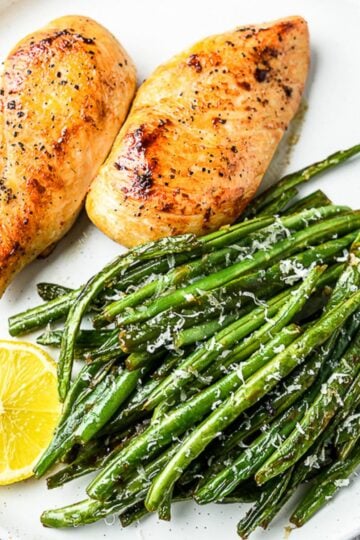
If you're a fan of easy dinners like this one, you might also want to try my One-Pan Cabbage Alfredo with Chicken Thighs or Creamy Tuscan Chicken Skillet-both are simple, flavorful, and made for actual real-life cooking.
Watch How to Make Creamy One-Pan Cabbage and Kielbasa Skillet
Table of Contents
- Why You'll Love This Creamy Cabbage and Kielbasa Skillet
- Ingredients You'll Need for Cabbage and Kielbasa Skillet recipe
- How to Make This One-Pan Cabbage and Kielbasa Skillet (Step-by-Step)
- Expert Tips for Perfect Texture (No Soggy Cabbage!)
- Mustard Cream Sauce Variations
- What to Serve with this Creamy Cabbage recipe
- Storage, Freezing, and Reheating
- Frequently Asked Questions
- Printable Recipe Card for Creamy One-Pan Cabbage and Kielbasa Skillet
Why You'll Love This Creamy Cabbage and Kielbasa Skillet
This creamy cabbage and kielbasa skillet is the kind of recipe that is great for a dependable weeknight dinner: it's savory, tangy, and incredibly filling. It's simple to make, full of comforting flavors, and comes together in one pan without that heavy, greasy feeling some sausage dishes have.
- Big comfort with minimal effort. This recipe has all the cozy flavors of classic cabbage and sausage dishes but without the long cooking time. Everything comes together in one pan, making it ideal for nights when you want something hearty without a major time commitment.
- Slow-cooked flavor in half the time. As the kielbasa browns, it releases smoky, savory notes that flavor the cabbage as it softens. By the time the mustard cream sauce is added, the dish tastes like it's been simmering all afternoon.
- The mustard cream sauce makes it special. Creamy without being heavy, the sauce adds just enough tang to balance the richness of the sausage. It turns simple ingredients into something that feels indulgent but still weeknight-friendly.
- A real food, gut-friendly dinner. In this recipe I am using whole ingredients that do more than just fill you up: cabbage is a natural prebiotic fiber, while by using ghee or avocado oil I avoid inflammatory seeds.
- Easy cleanup. No extra pots, no complicated timing, and no mountain of dishes. This recipe fits real life - easy to cook, easy to clean, and satisfying from start to finish.
- Flexible and reliable. This skillet is very forgiving. You can easily adjust the seasoning, add extra cabbage, or swap in your favorite variety of kielbasa and still end up with a solid, comforting dinner every single time.
Ingredients You'll Need for Cabbage and Kielbasa Skillet recipe

One of the best things about this recipe is that it relies on humble, budget-friendly ingredients that keep well in the fridge. You likely have most of these on hand, but here is what you'll need to get that perfect balance of smoky, creamy, and tangy.
- Kielbasa: Use a traditional smoked kielbasa or Polish sausage. If you want a leaner option, turkey kielbasa works just as well. The key is to get a nice brown sear on the slices - that's where the base flavor of the whole dish starts.
Pro Tip: Lately I've been using Uncured Smoked Kielbasa for this recipe because it has a great taste without the extra. - Green Cabbage: A medium head of green cabbage is perfect here. It might look like a mountain of food when you first chop it, but don't worry - it wilts down significantly as it cooks, becoming tender and sweet.
- Yellow Onion and Garlic: These are the aromatics that build the foundation. The onion softens into the cabbage, while the garlic adds that essential savory bite.
- Ghee or Avocado oil: I love using Ghee for this recipe but Avocado oil or any other oil works as good. You need something that won't burn with high heat. I found that ghee does just that while getting that rich, nutty flavor from the butter.
- Chicken Broth: A splash of broth helps steam the cabbage so it softens quickly and stays juicy without sticking to the pan.
- The Mustard Cream Sauce: This is where the magic happens. A blend of Heavy Cream, Dijon Mustard, and Whole-grain Mustard creates a velvety sauce with layers of flavor. The Apple Cider Vinegar adds a final bright note to cut through the richness.
- Seasonings: A combination of smoked paprika, salt, and black pepper enhances the smoky notes of the kielbasa and brings everything together.
- Garnish: A sprinkle of fresh parsley or chives right before serving adds a pop of color and a fresh finish.
How to Make this One-Pan Cabbage and Kielbasa Skillet (Step-by-Step)
This recipe comes together quickly, so it helps to have your cabbage chopped and the mustard sauce ingredients measured before you start cooking.
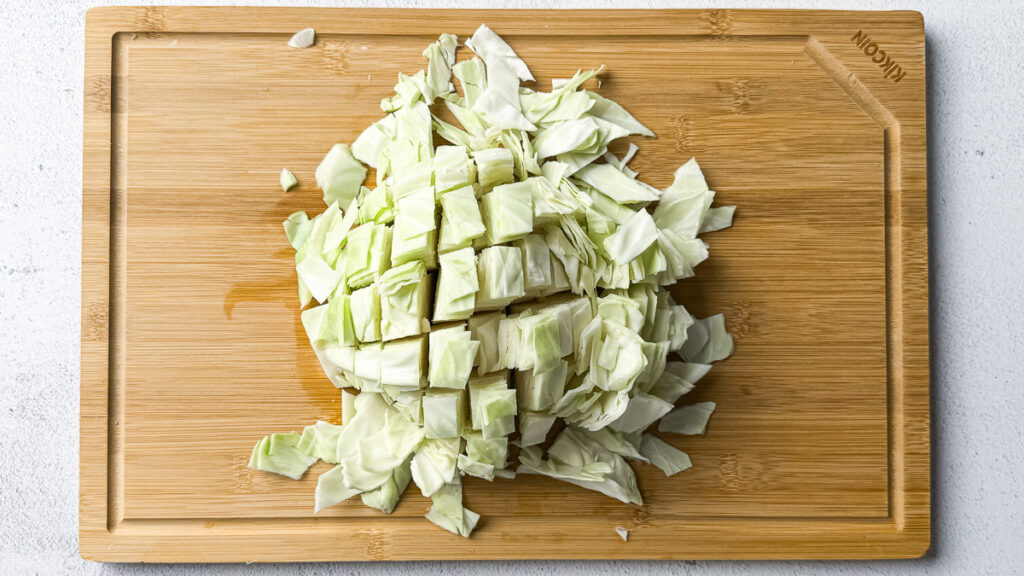
Step 1. Prep the ingredients
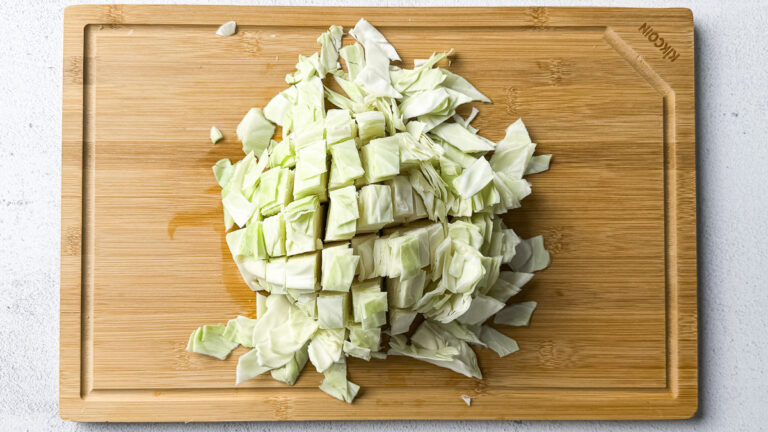
Slice the kielbasa into slices. Cut the cabbage into 1-inch thick ribbons and set aside.
Step 2. Brown the Kielbasa
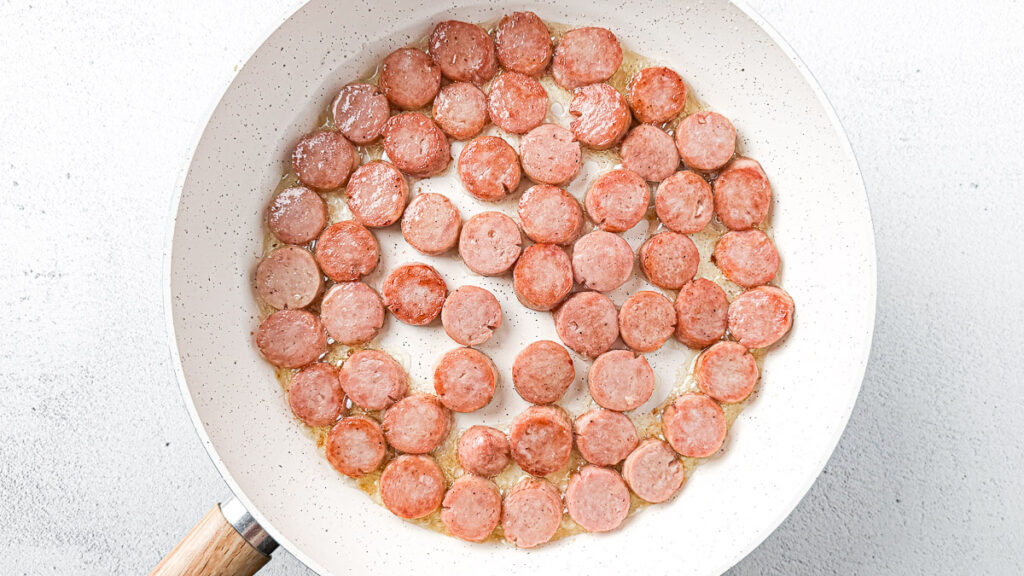
Heat the ghee or avocado oil in a large skillet over medium-high heat. Add the sliced kielbasa in an even layer and let it sear undisturbed for 1-2 minutes. Stir and continue cooking for about 4 minutes total. I like to let mine get almost dark brown-that's where all the flavor is. Use a slotted spoon to transfer the kielbasa to a plate and set aside.
Step 3. Sauté the Aromatics
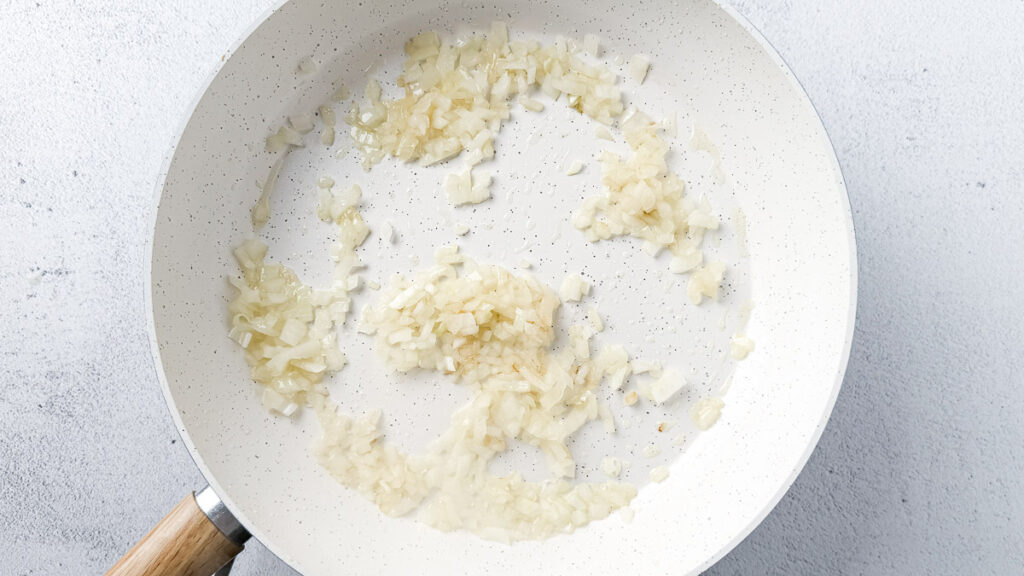
Reduce the heat slightly and add the diced onion to the same skillet. Cook in the rendered sausage fat for 3-4 minutes, stirring occasionally, until soft and translucent. Add the garlic and cook for 15-30 seconds, just until the garlic smells incredible.
Step 4. Wilt the Cabbage
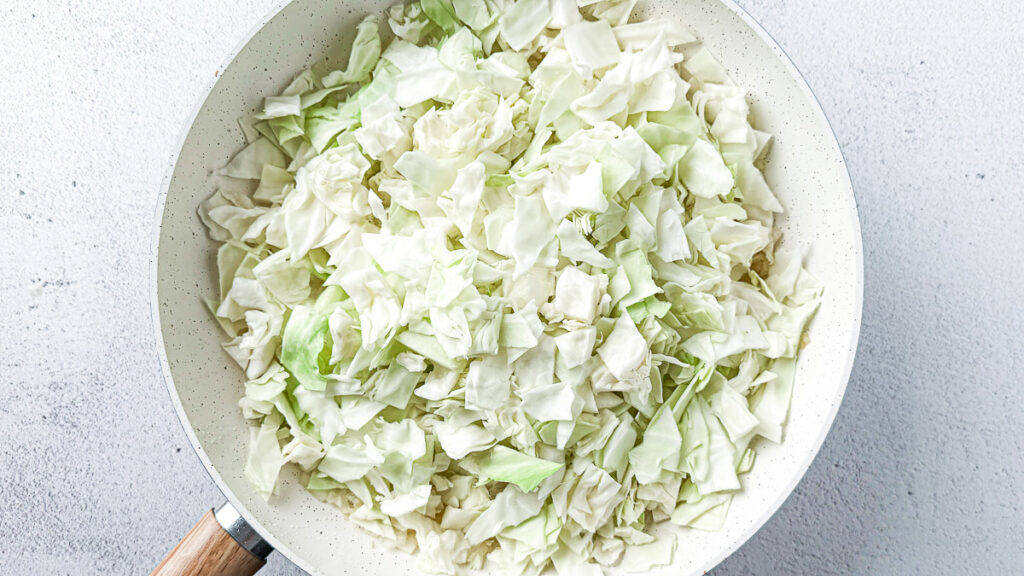
Add the chopped cabbage to the skillet along with the chicken broth. Toss well to coat the cabbage in the flavorful pan drippings. It'll look like a lot of cabbage at first, but don't worry, it wilts down fast. Cover with a lid and let it steam for 5-7 minutes, stirring once or twice, until the cabbage is tender and lightly sweet but still has a slight "snap" to it.
Step 5. Simmer the Mustard Cream Sauce
Uncover the pan and lower the heat to medium-low. Stir in the heavy cream, Dijon mustard, whole-grain mustard, the seasoning and apple cider vinegar. Lowering the heat here allows the cream to simmer gently instead of boiling-you don't want the sauce to break (I've learned this the hard way the first time I made this recipe). Let the sauce simmer gently for 2-3 minutes, stirring occasionally, until it thickens into a smooth, velvety sauce that coats every ribbon of cabbage.

Step 6. Combine and Serve
Return the browned kielbasa to the skillet and toss everything together for about a minute, ensuring the sausage is heated through. Taste and adjust seasoning as needed. Finish with a sprinkle of fresh parsley or chives and serve straight from the pan.

Expert Tips for Perfect Texture (No Soggy Cabbage!)
Cabbage can be tricky-it goes from crunchy to mushy quickly. To get that perfect, tender-crisp result every time, keep these few things in mind:
- Slice the cabbage into thicker ribbons. Aim for roughly 1-inch pieces. Very thinly shredded cabbage releases its moisture too fast and can turn soft before it ever has a chance to caramelize. Thicker strips hold their structure and stay tender without becoming limp.
- Brown the kielbasa first-then get it out of the pan. Letting the sausage develop that deep golden crust is essential for flavor, but it also prevents it from steaming while the cabbage cooks. Removing it keeps the texture firm and leaves behind the flavorful fond for the vegetables to soak up.
- Don't skip the brief steaming step. Covering the pan for just 5-7 minutes helps the cabbage soften evenly without needing to drown it in liquid. Once it reaches that perfect point where it still has a slight snap to it, uncover the pan immediately so any excess moisture can evaporate.
- Keep the heat low once the cream is added. High heat can cause the mustard cream sauce to break or separate, which leaves the dish looking watery. A gentle, low-medium simmer allows the sauce to thicken properly so it clings to the cabbage instead of pooling at the bottom of the skillet.
- Serve it fresh. Like most real-food skillet meals, this is best enjoyed straight from the pan. Letting it sit too long on the stove can cause the cabbage to continue softening from the residual heat.
Mustard Cream Sauce Variations
While the combination of Dijon and whole-grain mustard is what makes this dish special, the sauce is incredibly forgiving. These variations allow you to use what you have on hand or tweak the flavors to suit your family's preferences.
- Make it extra tangy (with a gut-friendly twist). For a brighter, more acidic finish, I typically swap the apple cider vinegar for a splash of sauerkraut brine or pickle juice. It adds a subtle fermented depth that pairs beautifully with smoky kielbasa and gives the sauce a more complex, savory edge. This is actually my favorite way to use up that last bit of pickle juice at the bottom of the jar.
- Swap the cream. If you are avoiding dairy, full-fat coconut milk or a homemade cashew cream both work well. Each still creates a smooth, velvety sauce that coats the cabbage ribbons perfectly without relying on heavy cream.
- Add a hint of sweetness. If the mustard flavor feels a little too sharp for the kids, I usually whisk in a teaspoon of raw honey or maple syrup. This softens the tang and creates a gentle honey-mustard balance that complements the savory sausage.
- Go extra grainy. If you love the look of visible mustard seeds in your dish, double the whole-grain mustard and reduce the Dijon slightly. This adds a rustic, "real food" texture and a bolder mustard presence throughout the dish.
- Make it herb-forward. Stir in a tablespoon of fresh dill or a teaspoon of caraway seeds when the cream goes in. These are classic pairings for cabbage and bring a fresh, earthy aroma that makes the dish feel even more traditional and home-cooked.

What to Serve with this Creamy Cabbage recipe
This skillet is a hearty, all-in-one meal, but its rich mustard cream sauce and smoky kielbasa pair especially well with sides that either soak up the sauce or add a fresh, bright contrast. I like pairing this dish with any of these:
- Crusty Sourdough Bread: A thick slice of toasted sourdough is the ultimate way to scoop up every last drop of that velvety mustard cream sauce. Since it's naturally fermented, it fits right into a gut-friendly meal plan while keeping the dinner grounded and rustic.
- Honey-Roasted Carrots: Bright, caramelized carrots add a pop of color and a touch of sweetness that balances the savory, smoky notes of the sausage.
- Fluffy Whole Grains: Serving the skillet over quinoa, farro, or rice turns it into an even more filling meal. These grains absorb the velvety sauce and keep the focus on simple, whole ingredients. Read my complete guide on How to Boil Rice for that perfect non sticky rice.
- A Bright Green Salad: A light salad made with arugula or baby spinach and a lemony vinaigrette offers a fresh, acidic "break" from the richness of the cream. It keeps the meal feeling balanced and bright rather than heavy.
Storage, Freezing, and Reheating
This skillet is a meal prep favorite because the flavors of the smoky kielbasa and mustard cream sauce actually deepen as they sit. If you are cooking for two, the leftovers make a satisfying real food lunch the next day that won't leave you feeling sluggish.
Storage
Store any leftovers in an airtight container. I highly recommend using glass containers for this-not only are they better for preserving the fresh flavor and snap of the cabbage, but they also prevent the cream sauce from absorbing any other refrigerator odors. This skillet will keep beautifully in the refrigerator for up to 3 to 4 days.
Freezing
Because this dish relies on heavy cream and fresh cabbage, I don't typically recommend freezing it. Cabbage tends to release its moisture when thawed, which can turn that velvety sauce watery and cause the cabbage to lose its structure. However, if you find yourself with more than you can eat, you can freeze it in a freezer-safe bag with as much air pressed out as possible for up to 2 months. Just keep in mind the texture will be much softer once it's reheated.
Reheating
- Stovetop (Best Results): For the best texture, reheat your leftovers in a skillet over medium-low heat. I like to add a small splash of chicken broth or a teaspoon of heavy cream. Stir gently until it's warmed through (about 5 minutes)-this preserves the integrity of the ingredients much better than a microwave.
- Microwave: If you're in a rush for lunch, the microwave works too. Heat in 30-second intervals, stirring in between. This prevents the sauce from separating and ensures the kielbasa heats evenly without getting rubbery.

Frequently Asked Questions
Can I use a different type of sausage?
What is the best type of cabbage to use?
Can I make this dairy-free?
How do I prevent the cabbage from getting watery?
Is this recipe good for meal prep?
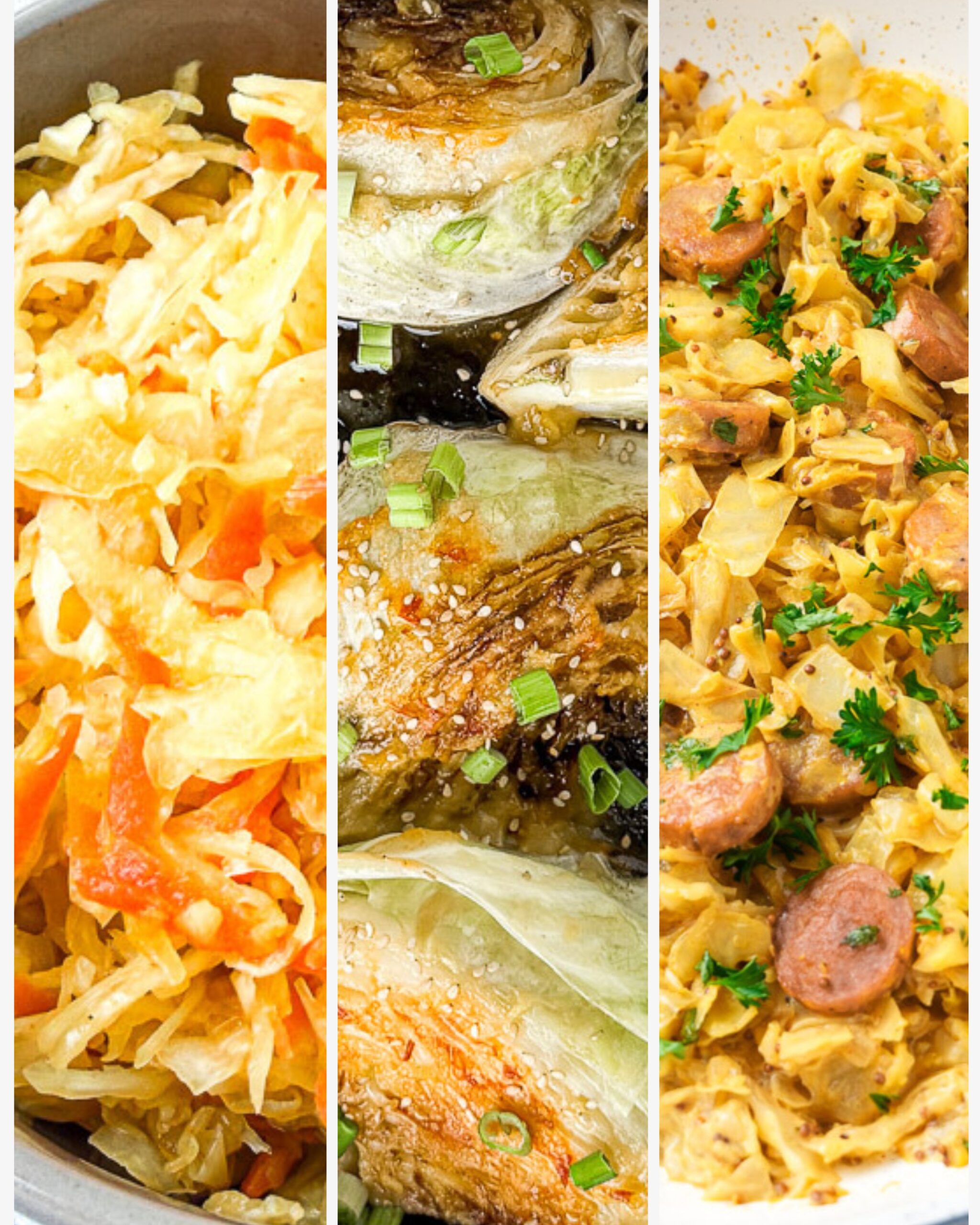
Looking for more easy one-pan recipes? Be sure to check these family favorites:
- Honey Garlic Chicken Thighs
- Creamy Cabbage Alfredo with Crispy Chicken Thighs
- Pan-Seared Cabbage Wedges with Miso-Honey Glaze

Creamy One-Pan Cabbage and Kielbasa Skillet
Equipment
- Large Skillet (a deep 12-inch skillet or cast-iron pan is ideal to ensure the cabbage has enough room to wilt without overcrowding.)
- Liquid Measuring Cup (for the heavy cream and chicken broth.)
- Chef's Knife (for achieving those 1-inch "snap" cabbage ribbons.)
Ingredients
- 14 oz Smoked Kielbasa or Polish sausage
- 1 Cabbage, small (chopped into 1-inch pieces)
- ½ cup Chicken broth
- 1 tablespoon Ghee (or avocado oil)
- 1 Onion, medium (diced)
- 3 Garlic cloves (minced)
Mustard Cream Sauce
- ½ cup Heavy Cream
- 2 tablespoon Dijon mustard
- 1 tablespoon Whole-grain mustard
- 1 teaspoon Apple cider vinegar
Seasonings
- ½ teaspoon Smoked paprika
- ½ teaspoon Salt (or to taste)
- ¼ teaspoon Black pepper
Garnish
- Parsley or Chives (diced)
Instructions
- Prep the ingredients: Slice the kielbasa into slices. Cut the cabbage into 1-inch thick ribbons and set aside.

- Brown the Kielbasa: Heat the ghee or avocado oil in a large skillet over medium-high heat. Add the sliced kielbasa in an even layer and let it sear undisturbed for 1-2 minutes until a deep golden crust forms. Stir and continue cooking for about 4 minutes total, until the sausage is well-browned and fragrant. Use a slotted spoon to transfer the kielbasa to a plate and set aside.
- Sauté the Aromatics: Reduce the heat slightly and add the diced onion to the same skillet. Cook in the rendered sausage fat for 3-4 minutes, stirring occasionally, until soft and translucent. Add the garlic and cook for 15-30 seconds - just until the garlic is fragrant and the paprika is lightly toasted.
- Wilt the Cabbage: Add the chopped cabbage (cut into 1-inch ribbons) to the skillet along with the chicken broth. Toss well to coat the cabbage in the savory pan drippings. Cover with a lid and let it steam for 5-7 minutes, stirring once or twice, until the cabbage is tender and sweet but still has a slight "snap" to it.
- Simmer the Mustard Cream Sauce: Uncover the pan and lower the heat to medium-low. Stir in the heavy cream, Dijon mustard, whole-grain mustard, seasonings, and apple cider vinegar. Let the sauce simmer gently for 2-3 minutes, stirring occasionally, until it thickens into a velvety sauce that coats the cabbage ribbons.
- Combine and Serve: Return the browned kielbasa to the skillet and toss everything together for about a minute to ensure the sausage is heated through. Taste and adjust seasoning with salt and black pepper as needed. Finish with a sprinkle of fresh parsley or chives and serve immediately straight from the pan.


Notes
- Pro-Tip for Texture: To keep that signature "snap" in the cabbage, be sure to remove the lid the second the cabbage is tender. This allows excess moisture to evaporate so your sauce stays thick and velvety rather than watery.
- The Best Sausage: While traditional pork kielbasa offers the most nostalgia, turkey kielbasa or even a spicy andouille are excellent high-quality swaps.
- Mustard Choice: Using both Dijon and whole-grain mustard adds flavor and a visual pop. If you only have one, Dijon is the better choice for a smooth sauce.
- Storage: Leftovers are a meal-prep dream. Store them in glass containers to preserve the flavor and prevent the cream sauce from absorbing fridge odors.
Nutrition