Creamy Cabbage Alfredo with Crispy Chicken Thighs (A Low-Carb Comfort Dinner)
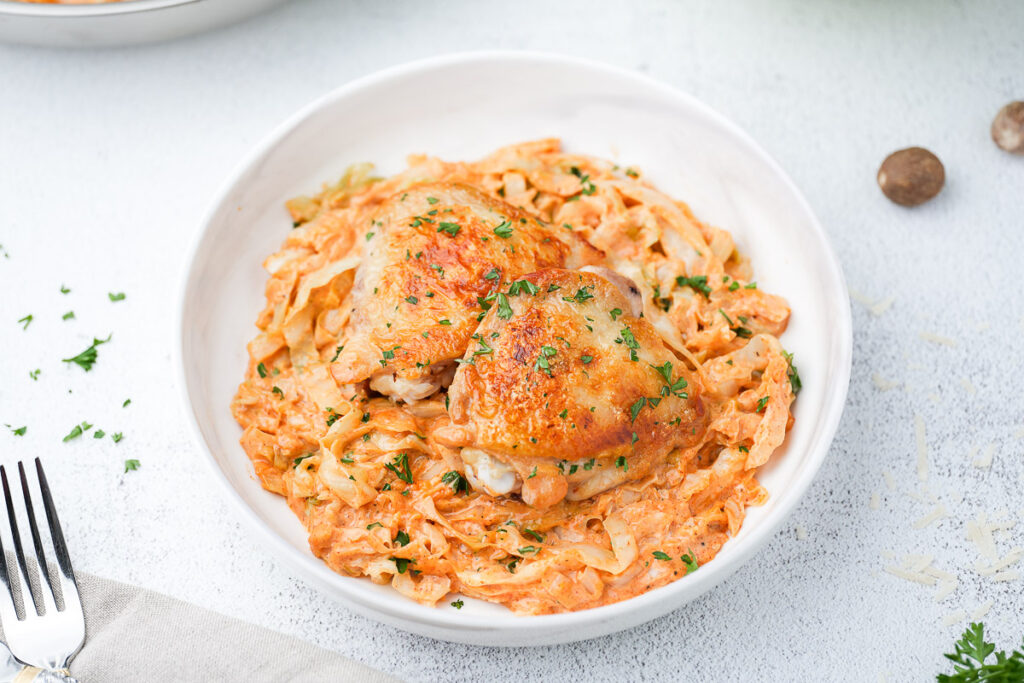
Creamy Cabbage Alfredo is one of those dinners I always come back to when I want something cozy and grounding, especially on busy weeknights. For a long time, though, it felt like a meal I had to save for special occasions - rich, heavy, and best enjoyed in moderation.
That's what led me to this one-pan version, where I use cabbage not as a gimmicky substitute, but as a genuine, real-food alternative to pasta. When sliced into ribbons and cooked properly, cabbage turns silky and tender, soaking up creamy sauces beautifully. Paired with air-chilled chicken thighs and grass-fed cream, you get a dinner that feels indulgent and comforting, but still balanced and satisfying. It's the kind of meal I make when I want real food on the table - something warm, familiar, and dependable - without spending the rest of the evening feeling weighed down.
I love using bone-in thighs for their depth of flavor - check out my Honey Garlic Chicken Thighs recipe for another chicken thighs dinner idea.
Watch How To Make It: Step-by-Step Video
Table of Contents
- Why You'll Love this Low-Carb Comfort Dinner
- Why Cabbage Works so Well as a Pasta Swap
- Ingredients You'll Need
- The "Cold Pan" Method: How to Get Shatter-Crisp Chicken Skin
- How to Prepare Cabbage for Creamy Sauces (The Salting Technique)
- How to Make Creamy Cabbage Alfredo
- Expert Tips for the Ultimate Cabbage Alfredo
- What to Serve with Creamy Cabbage Alfredo
- Recipe Variations & Ingredient Substitutions
- Storage and Reheating Instructions
- Frequently Asked Questions
- Printable Recipe Card
Why You'll Love this Low-Carb Comfort Dinner
Before diving into the details, here's why this cabbage Alfredo has earned a regular spot in my weeknight rotation. It's the kind of recipe that delivers real comfort without complication - dependable, adaptable, and made with ingredients that actually work for everyday cooking.
- Real Food Comfort: This cabbage Alfredo checks every box for me. It's creamy and comforting in the way a classic Alfredo should be, but it's made with simple, real-food ingredients that leave you feeling satisfied instead of sluggish. It's the kind of dinner I reach for when I want something cozy and familiar, but still practical enough for a high-efficiency weeknight.
- One-Pan Simplicity: What I appreciate most about this recipe is how reliable it is. Everything comes together in one pan, without specialty ingredients or complicated steps. It's the kind of meal that anchors dinner beautifully - similar to how I serve my One-Pot Cajun Chicken Pasta recipe, where the main dish does most of the work and everything else falls into place around it.
- Versatile & Reliable: Another reason I come back to this recipe is how adaptable it is.
- The Technique: Once you learn how to properly salt and cook cabbage, it opens the door to all kinds of meals - from cozy soups to lighter skillet dinners.
- The Pairings: This dish is hearty enough to stand on its own, but it also pairs beautifully with a fresh arugula salad or simple roasted vegetables.
- The Leftovers: Unlike traditional pasta, this version reheats exceptionally well, which is usually the best sign a recipe belongs in regular rotation.
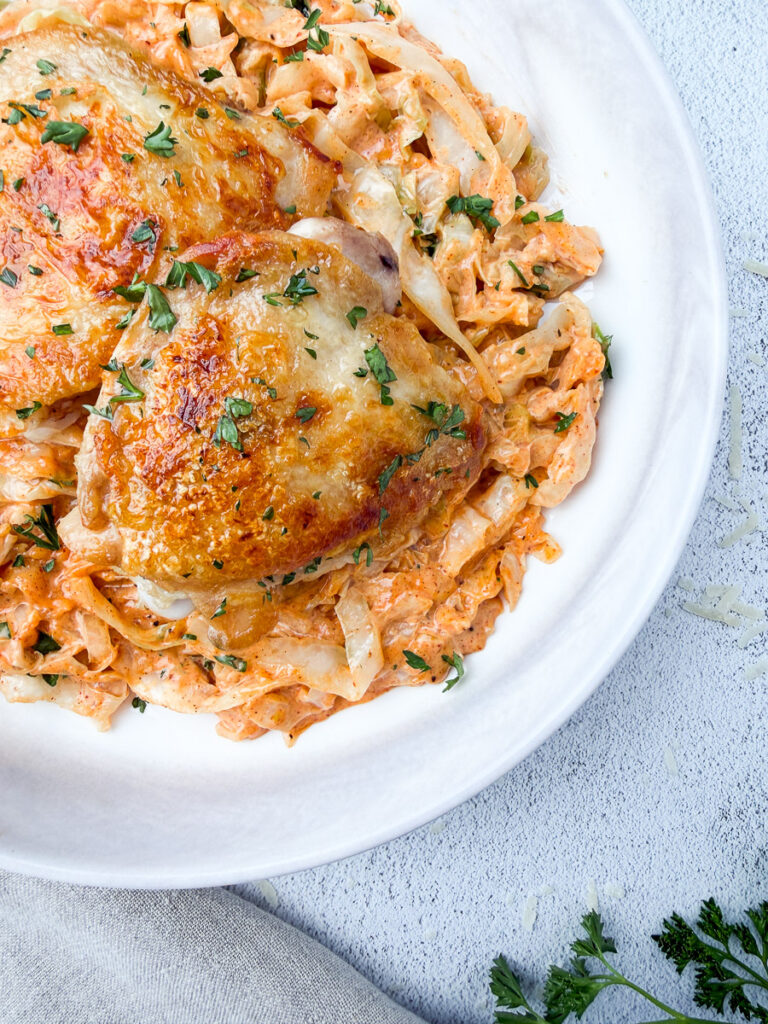
Why Cabbage Works so Well as a Pasta Swap
Cabbage is the ultimate pasta alternative because it brings structure and balance to rich, dairy-based sauces. Unlike watery "zoodles," it performs like a true noodle when treated correctly.
It Stays "Al Dente": When sliced into ribbons, cabbage softens just enough to become tender while maintaining its shape. It offers a satisfying "bite" in every forkful and won't turn mushy under the weight of a heavy Alfredo sauce.
It Absorbs the Sauce: Because we salt and squeeze the cabbage beforehand, it releases its moisture before hitting the pan. This allows the ribbons to absorb the cream and cheese rather than diluting the sauce into a watery mess.
It Handles the Heat: Cabbage can tolerate the skillet heat required for a sauce to reduce and emulsify. It stays intact while the Alfredo becomes glossy, making the meal feel like a substantial dinner rather than a compromise.
Ingredients You'll Need
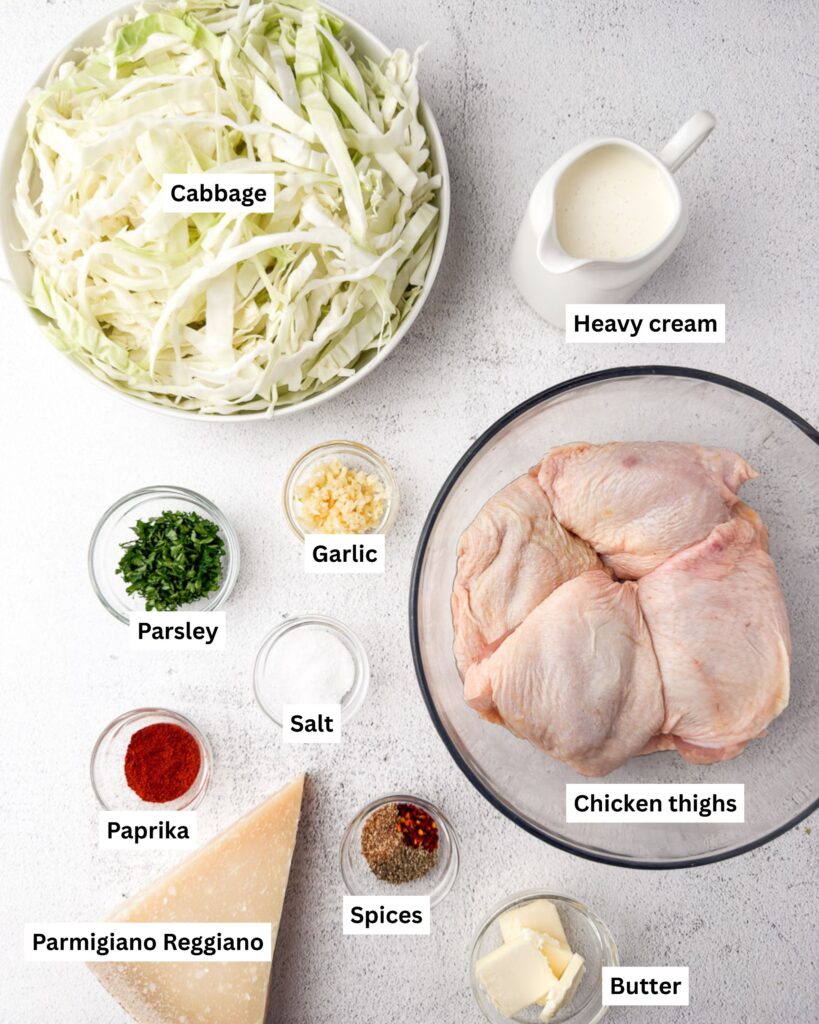
To get the best results for this one-pan meal, I recommend using high-quality, "real-food" staples. The quality of the dairy and the chicken makes all the difference in the final flavor and texture.
For the Chicken
- 6 Organic Chicken Thighs: Ensure they are bone-in and skin-on. For that "shatter-crisp" skin, look for air-chilled chicken.
- 1 teaspoon Kosher Salt: Essential for seasoning and helping the skin render properly.
For the Cabbage Alfredo
- 1 Medium Green Cabbage: Sliced into ¼-inch ribbons to mimic fettuccine.
- 1 teaspoon Kosher Salt: Used for the "salt and squeeze" method to remove excess moisture.
- 3 Garlic Cloves: Minced fresh for the best aromatic depth.
- 1 cup Heavy Cream: Full-fat cream produces the most stable, creamy sauce.
- 1 cup Parmigiano Reggiano: Freshly shredded. Aged Parmesan melts smoother and offers a deeper, nutty flavor than pre-shredded bags.
- 1 tablespoon Unsalted Butter: To add a glossy finish to the Alfredo sauce.
- Spices: ½ teaspoon Black Pepper, ½ teaspoon Paprika for warmth and color and ¼ teaspoon Nutmeg for warmth and depth.
- Garnish: Fresh Parsley or Chives to brighten the dish.
- Red Chili Flakes: Optional, for a touch of heat.
The "Cold Pan" Method: How to Get Shatter-Crisp Chicken Skin
Rubbery chicken skin usually comes down to one thing: heat that's too high, too fast. The cold pan method solves this by letting the fat in the chicken skin render slowly before it browns.
Why It Works
Starting skin-on chicken in a cold skillet and gradually bringing the heat to medium gives the fat time to liquefy (render) and baste the skin as it cooks. In a hot pan, the skin sears shut immediately, trapping the fat underneath and creating a chewy texture. In a cold pan, the skin becomes paper-thin, golden, and shatter-crisp.
How to Do It
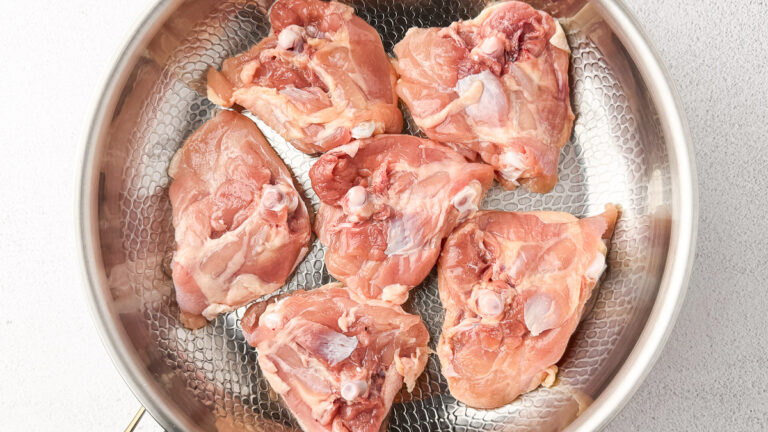
1. Place the Chicken: Put the thighs skin-side down in a cold, dry skillet.
2. Adjust the Heat: Turn the heat to medium. Titanium and ceramic pans are excellent for this because they respond quickly to temperature changes.
3. Be Patient: Let it cook undisturbed for about 8-10 minutes until the skin releases easily from the pan.
4. Flip: Once deeply golden, flip the chicken to finish cooking through.
This slow approach not only produces better texture but also leaves flavorful rendered fat in the pan-the perfect foundation for building your creamy Alfredo sauce.
How to Prepare Cabbage for Creamy Sauces (The Salting Technique)
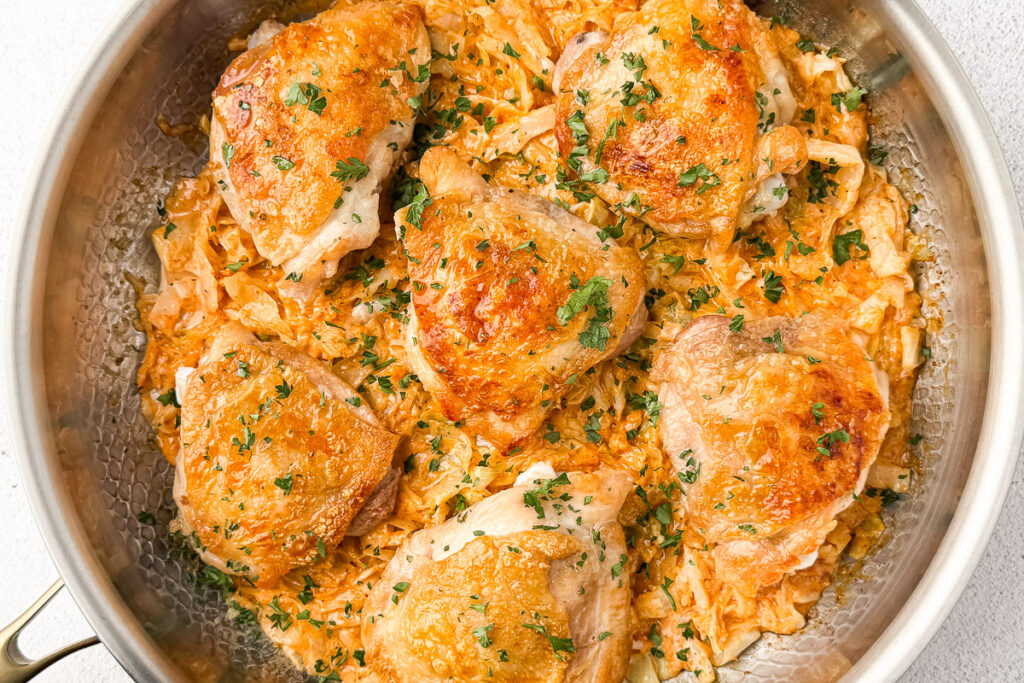
Cabbage is made up of mostly water, and if it isn't prepped correctly, that moisture will release as it cooks and thin out your Alfredo sauce. Taking a few minutes to prep the cabbage properly makes all the difference in the final texture.
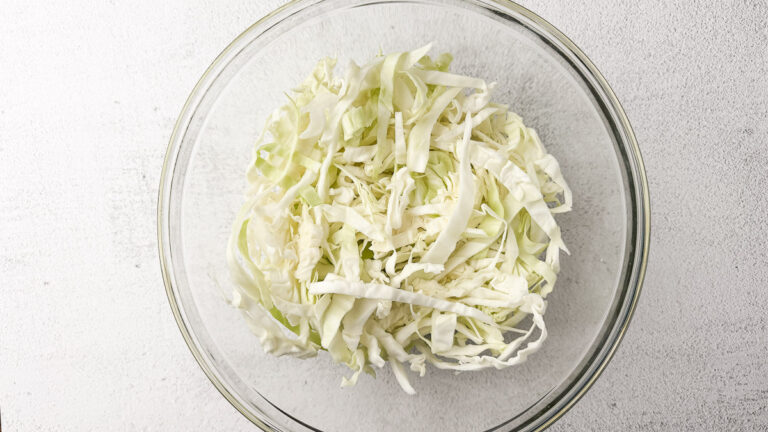
Slice and Salt: Quarter and core the cabbage, then slice it into ¼-inch ribbons to mimic fettuccine. Transfer the ribbons to a colander and toss with a generous pinch of salt. Let the cabbage sit for 15-20 minutes, which draws excess moisture out of the leaves.
Squeeze and Dry: This is the most important step. Grab handfuls of the salted cabbage and squeeze firmly over the sink, releasing as much liquid as possible. Then pat the ribbons dry with a clean kitchen towel or paper towels before cooking.
The Result: By removing excess water before cooking, the Alfredo sauce coats the cabbage ribbons instead of pooling at the bottom of the bowl. The texture stays silky, rich, and cohesive - exactly what you want in a creamy sauce.
How to Make Creamy Cabbage Alfredo
Step 1. Prep the Ingredients
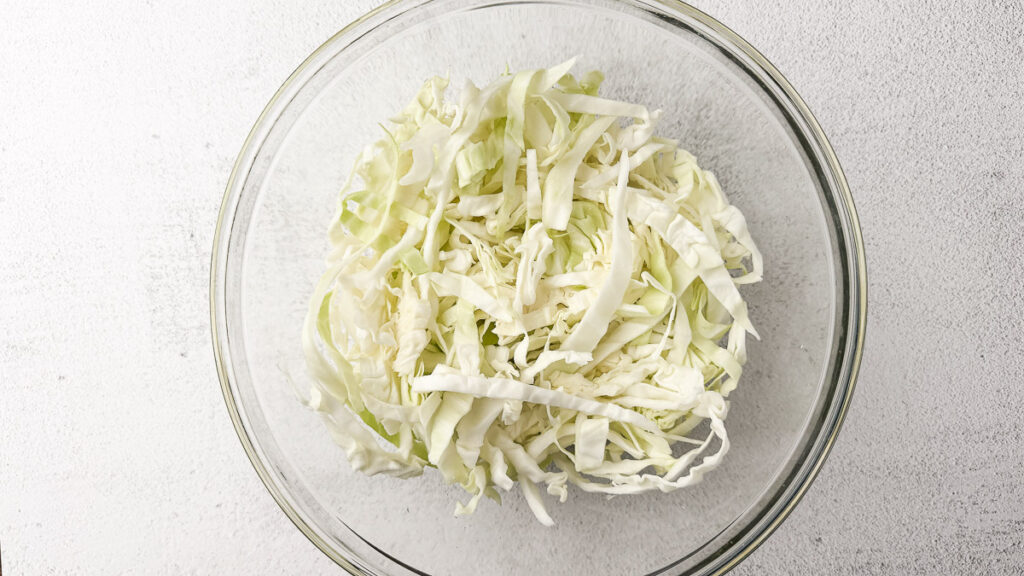
Pat the chicken thighs very dry with paper towels and season with salt. Slice the cabbage into ribbons, toss with salt, and let sit for 15-20 minutes. Squeeze the cabbage firmly to remove excess moisture, then set aside.
Step 2. Sear the Chicken (Cold Pan Method)
Place the chicken thighs skin-side down in a cold skillet. Turn the heat to medium and cook undisturbed for 8-10 minutes, until the skin is deeply golden and crisp. Flip and cook another 6-8 minutes, until cooked through. Transfer the chicken to a plate, leaving the rendered fat in the pan.

Step 3. Lightly Soften the Cabbage
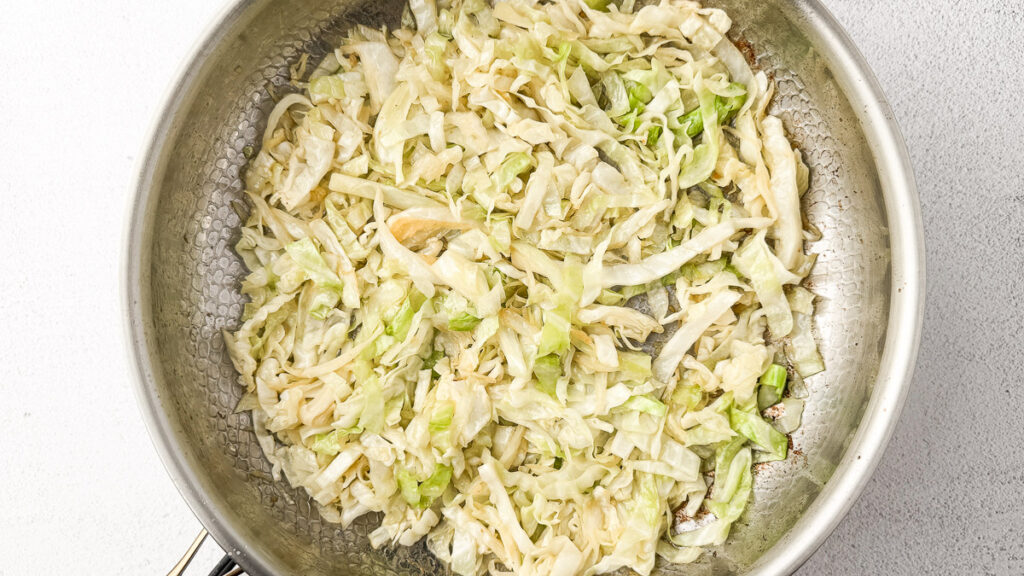
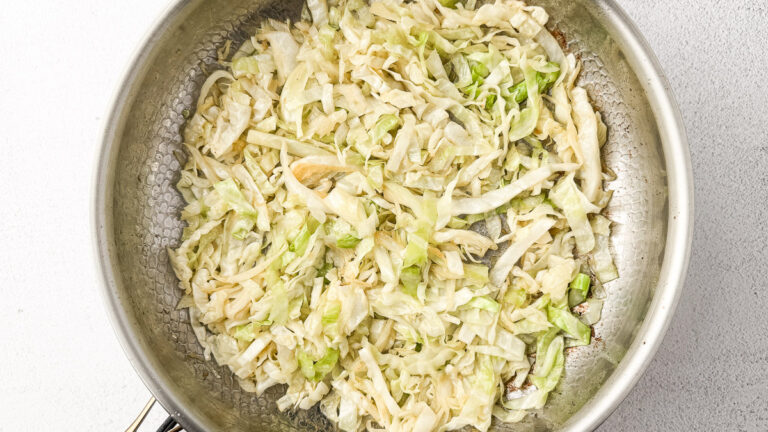
Add the prepared cabbage to the skillet and cook for 5 minutes, just until it begins to soften but still holds its structure.
Step 4. Build the Alfredo Sauce
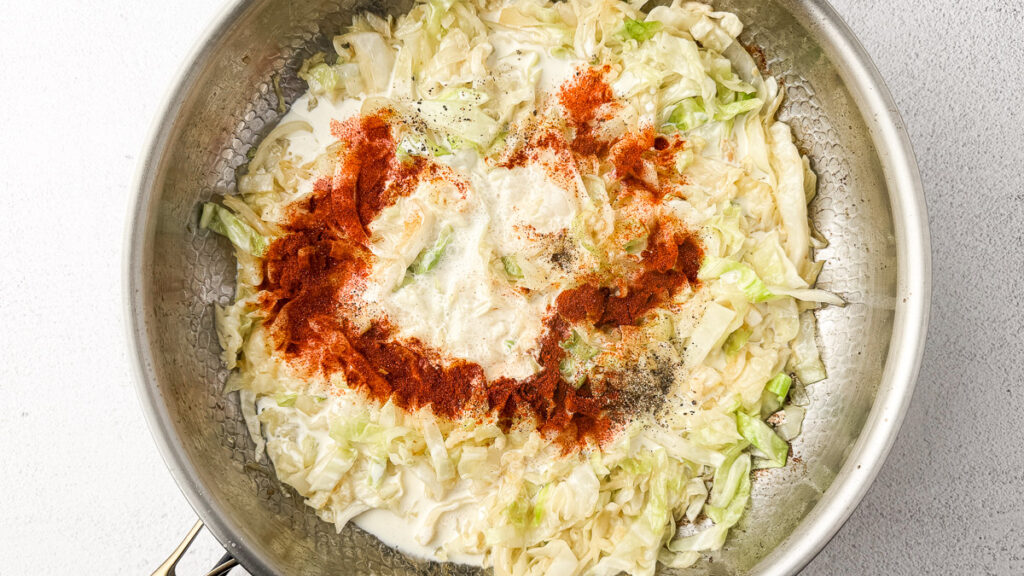
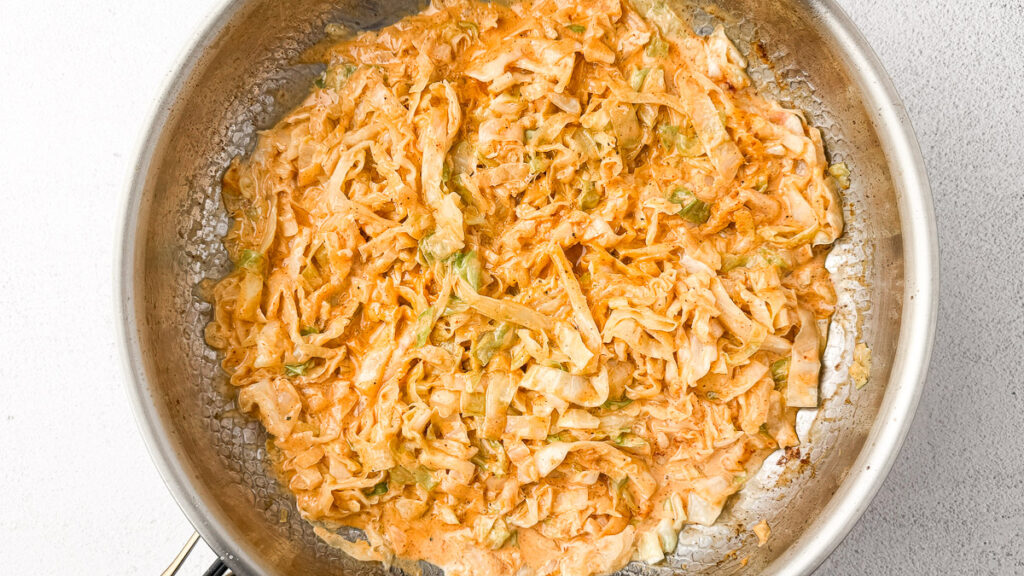
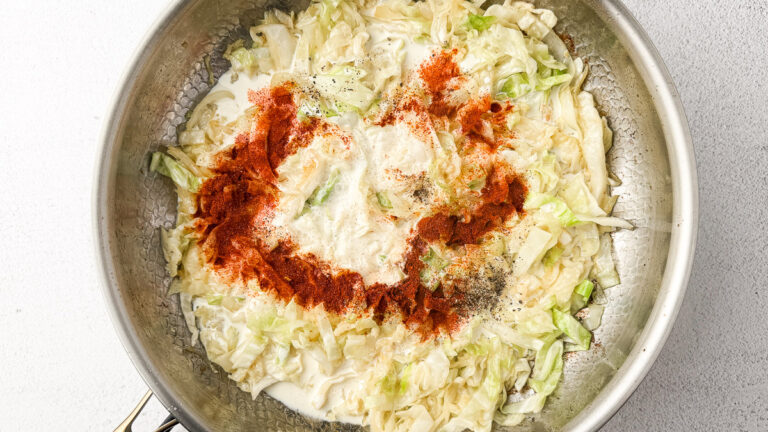
Reduce heat to medium-low. Add the garlic to the skillet and cook for 30-60 seconds, just until fragrant. Pour in the cream, then stir in black pepper and paprika. Let the sauce simmer gently for 3 minutes, until slightly reduced.
Step 5. Finish the Sauce
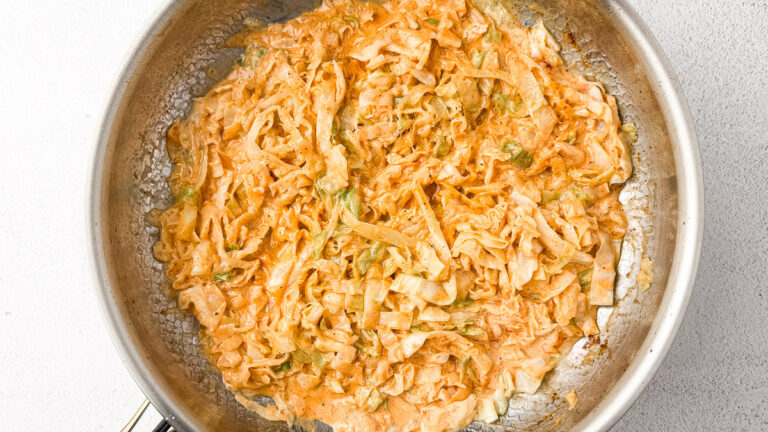
Lower the heat and stir in the butter, freshly grated Parmesan and the nutmeg. Stir until fully melted and the sauce is glossy and cohesive.
Step 6. Combine and Serve
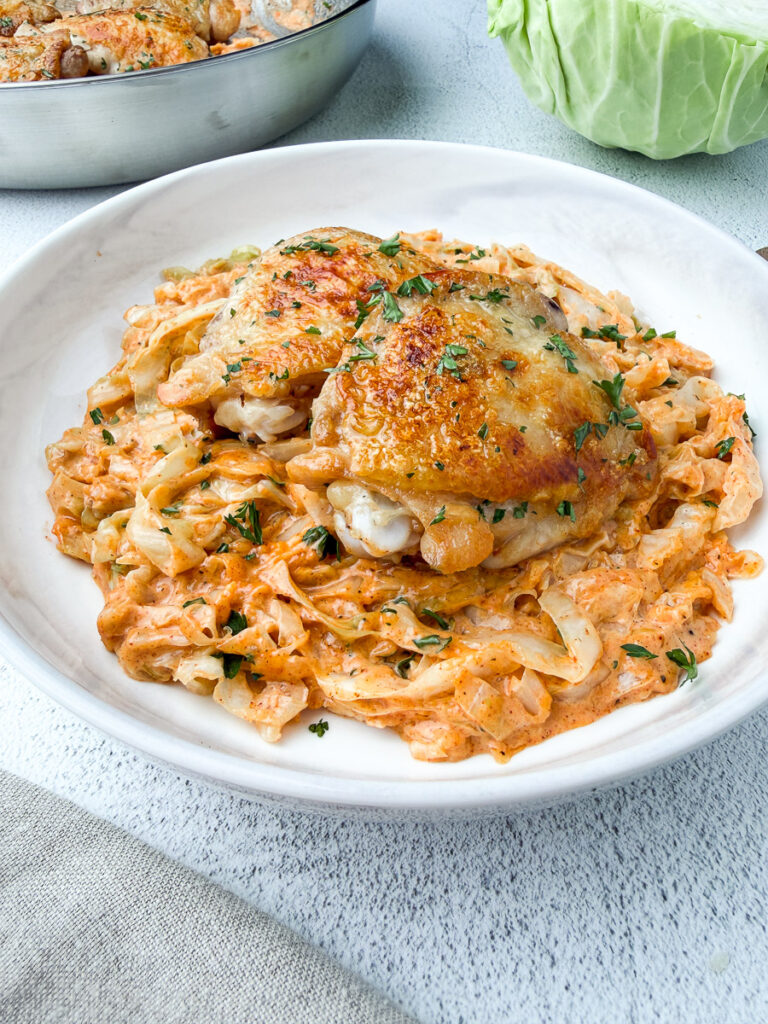
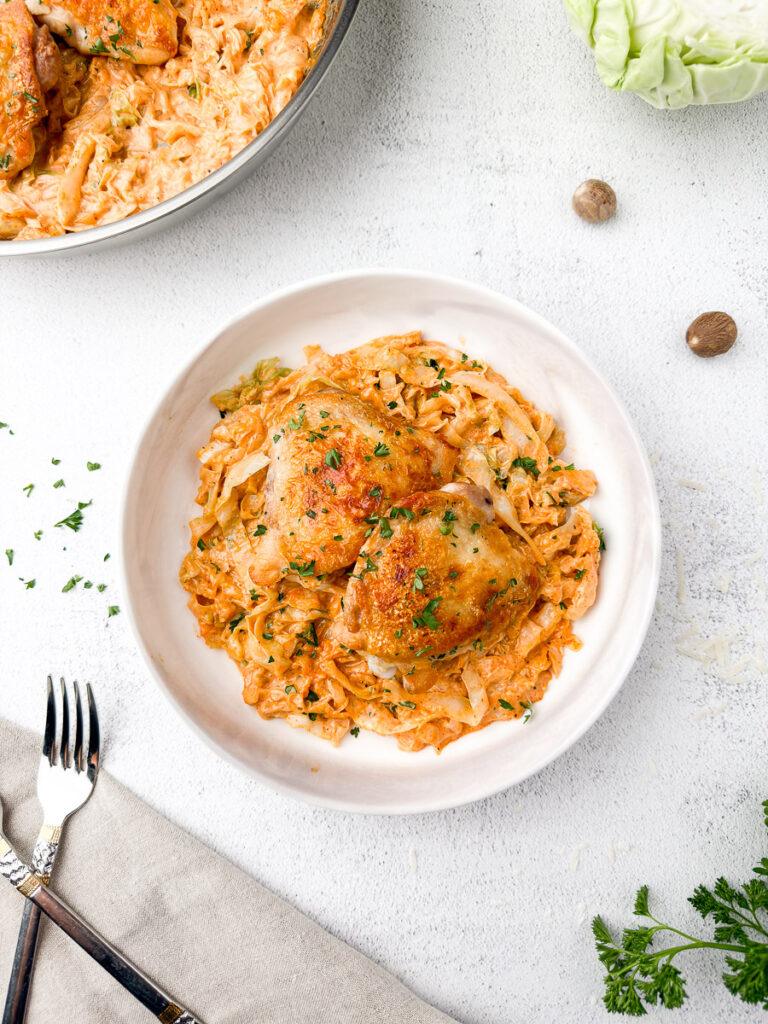
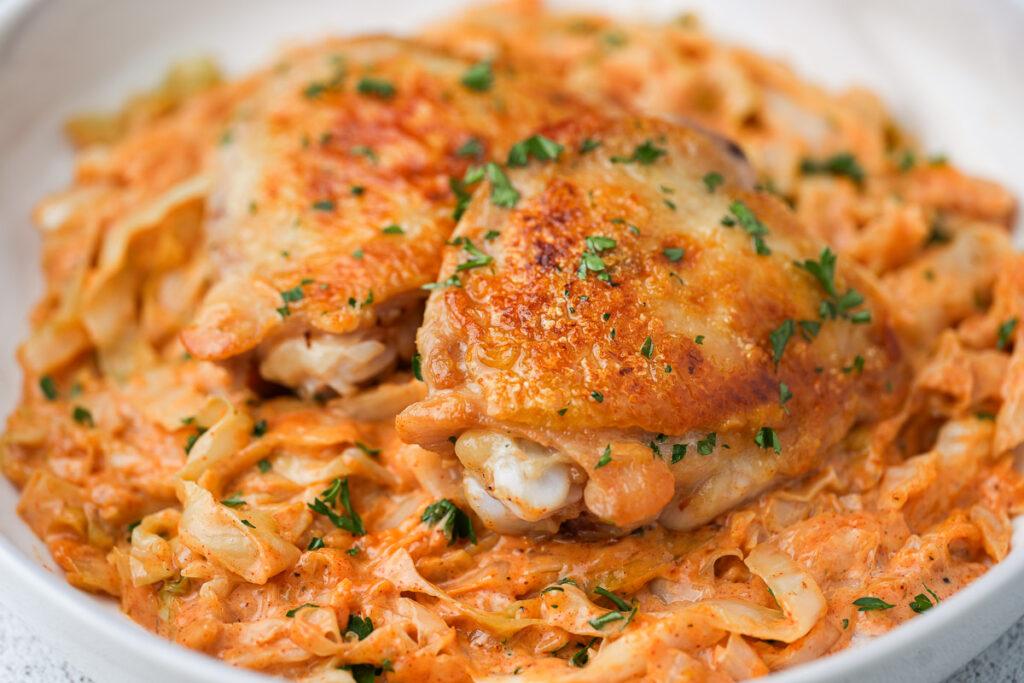
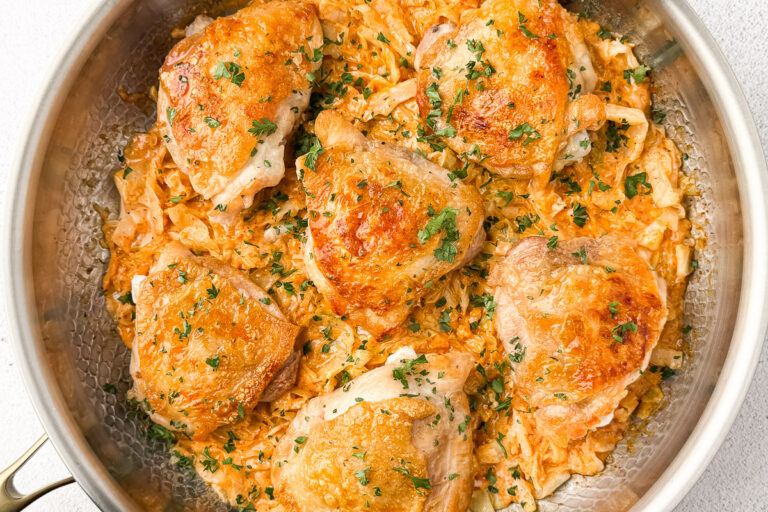
Nestle the chicken back on top, skin-side up to keep it crisp, or slice and serve over Cabbage Alfredo. Garnish the Alfredo with fresh herbs or red pepper flakes, if desired.
Expert Tips for the Ultimate Cabbage Alfredo
1. The "Double-Dry" Chicken Secret
For truly shatter-crisp chicken skin, moisture is the enemy. Start with air-chilled chicken thighs, which aren't water-logged during processing, then pat them very dry with paper towels right before they go into the pan.
I often use Bell & Evans organic air-chilled chicken thighs at home, but the key technique applies to any good-quality chicken: dry skin + patience in the pan.
2. Don't Crowd the Pan
Even well-prepped cabbage will release some moisture as it cooks. If the pan is crowded, that liquid can't evaporate, and the cabbage will steam instead of sautéing - which can thin the Alfredo sauce.
If you're doubling the recipe, cook the cabbage in two batches or use a wider skillet so excess moisture can evaporate properly.
3. Temper Your Cream
Before adding cream to the hot skillet, let it sit on the counter for about 10 minutes to take the chill off. Adding very cold cream to high heat can sometimes cause the sauce to separate instead of emulsify smoothly.
4. Choose the Right Skillet for the Job
The skillet you use affects both how well the chicken browns and how efficiently the sauce reduces.
- Titanium Skillets: Lightweight and responsive, titanium skillets heat evenly and work especially well for methods like starting chicken in a cold pan and letting the fat slowly render. This is what I used here.
- Cast Iron Skillets: Excellent for deep browning thanks to strong heat retention. Once hot, it stays hot - just keep in mind it's heavier and benefits from steady heat control.
- Ceramic Non-Stick: A good option for easy cleanup and gentle sauce work. Use medium heat to protect the coating and prevent sticking.
No matter which skillet you choose, the most important factors are even heat and enough surface area.
5. Bone-In vs Boneless Chicken Thighs
Bone-in, skin-on chicken thighs give the best results here. The skin renders slowly using the cold pan method, creating a deeply crisp exterior while the bone helps keep the meat juicy.
If you prefer boneless thighs, they'll still work - just note a few adjustments:
- Skip the cold pan method
- Start in a hot skillet with a little oil
- Reduce cooking time to prevent drying
The flavor will still be excellent, but the texture will be slightly different.
What to Serve with Creamy Cabbage Alfredo
1. Lemon-Arugula Salad with Shaved Parmesan
The peppery bite of arugula and the brightness of fresh lemon juice make a perfect salad alongside a rich Alfredo sauce.
Pro Tip: Use a vegetable peeler to shave wide curls of aged Parmigiano Reggiano over the salad. A well-aged cheese adds a subtle crunch and nutty depth that echoes the flavors in the main dish.
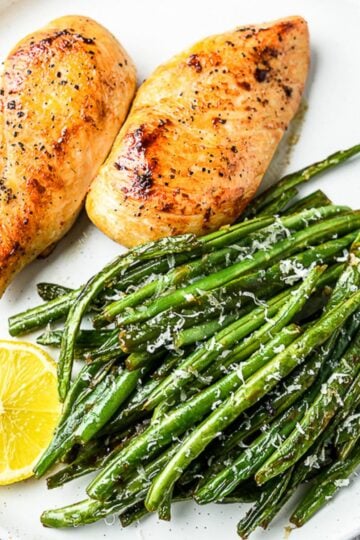
2. Roasted Garlic Green Beans
Simply roasted green beans tossed with olive oil and smashed garlic cloves offer a fresh, snappy contrast to the tender cabbage ribbons and creamy sauce.
Efficiency Tip: These can roast on a small sheet pan while the chicken thighs cook, making it easy to get everything on the table at the same time.
3. Cheesy Keto Garlic Bread: If you're craving that classic "spaghetti night" feeling without the grains, a low-carb garlic bread is a comforting addition. It gives you something to scoop up extra sauce without overpowering the meal.
Recipe Variations & Ingredient Substitutions
This cabbage Alfredo is intentionally simple, but there's plenty of room to adapt it based on what you have on hand or how you like to cook. Use the options below as guidance, not rules - the core techniques stay the same.
Protein Variations
- Boneless Chicken Thighs work well if that's what you have. Skip the cold-pan method and start them in a preheated skillet with a little oil, reducing the cooking time to avoid drying them out.
- Chicken Breasts can be used, but they're leaner and cook faster. Slice them thinly and sear briefly, then remove from the pan before building the sauce.
- Shrimp make a quick, lighter variation. Season and sear them separately for 1-2 minutes per side, then add them back at the very end so they stay tender.
- No Chicken: This dish works beautifully as a vegetarian main. Add sautéed mushrooms or roasted cauliflower for extra substance.
Cabbage Options
- Savoy Cabbage: A great alternative to green cabbage. Its crinkled leaves hold onto the sauce exceptionally well and cook a bit faster.
- Napa Cabbage: More delicate and softer once cooked. Reduce cooking time slightly to prevent it from becoming too tender.
- Pre-Shredded Cabbage: Convenient, but slice it a bit thinner if possible and still use the salting-and-squeezing step to remove excess moisture.
Dairy & Sauce Adjustments
- Lighter Cream Option: You can replace part of the heavy cream with half-and-half, but the sauce will be slightly thinner and less rich.
- Extra Cheesy Alfredo: Add an additional ¼ cup finely grated Parmesan for a thicker, more indulgent sauce.
- Dairy-Free Version: Full-fat canned coconut milk can replace the cream, and nutritional yeast can stand in for Parmesan. The flavor will be different, but the dish will still be creamy and satisfying.
Flavor Variations
- Garlic Lover's Version: Add a couple cloves of garlic or finish with a light sprinkle of garlic powder for deeper flavor.
- Herb-Focused: Fresh thyme, chopped parsley, or chives stirred in at the end add freshness and color.
- Spicy or "Swicy": Add red pepper flakes while sautéing the cabbage, or finish the dish with a drizzle of hot honey for sweet heat.
How to Substitute Without Compromising the Dish
No matter the version, two things matter the most:
1. Control the moisture (salt and squeeze the cabbage).
2. Use gentle heat once the cream is added.
As long as those steps stay intact, this recipe adapts easily to different ingredients and preferences.
Storage and Reheating Instructions
How to Store Leftovers
- In the Refrigerator: Transfer leftovers to an airtight container and refrigerate for up to 3-4 days. Because cabbage continues to release a bit of moisture as it sits, the sauce may loosen slightly in the refrigerator. This is normal and easy to fix when reheating. For best results, store the chicken and cabbage Alfredo separately if possible, especially if you want to preserve the chicken's crispy skin.
- In the Freezer: Cream-based sauces and cooked cabbage don't always freeze perfectly, but this dish can be frozen with a few expectations.
- The cabbage Alfredo can be frozen for up to 1 month
- The sauce may separate slightly once thawed
- The cabbage will be softer after freezing
For best results: - Let the dish cool completely
- Freeze in a freezer-safe container with a little extra space for expansion
- Thaw overnight in the refrigerator before reheating
If you're planning ahead, freezing just the cabbage and sauce works better than freezing the chicken, which tends to lose its crisp texture.
Reheating the Creamy Cabbage Alfredo
Reheat the cabbage and sauce gently in a skillet over medium-low heat, stirring occasionally. Avoid high heat, which can cause the cream sauce to break.
The Creaminess Trick: Add a splash of heavy cream or a small knob of butter as the sauce warms. This helps re-emulsify the Alfredo, restoring a smooth, silky texture even after refrigeration or freezing.
Reheating the Chicken
For the best texture, reheat the chicken separately. A few minutes in a toaster oven or air fryer helps crisp the skin back up before placing it on top of the warm cabbage Alfredo.
Frequently Asked Questions
Can I use purple (red) cabbage instead of green?
Why is my cabbage Alfredo watery?
Can I freeze this recipe?
- Freeze for up to 1 month
- Expect the cabbage to be softer after thawing
- The sauce may loosen slightly
For best results, thaw overnight in the refrigerator and reheat gently in a skillet over medium-low heat with a small splash of cream to bring the sauce back together.
Do I really need to start the chicken in a cold pan?
Can I make this dairy-free?
How can I make this spicy?
Loved this recipe? Try these easy fan-favorite dinner recipes next:
- Creamy Chicken Bacon Ranch Pasta
- Easy Shrimp and Rice Casserole
- Creamy Tuscan Chicken
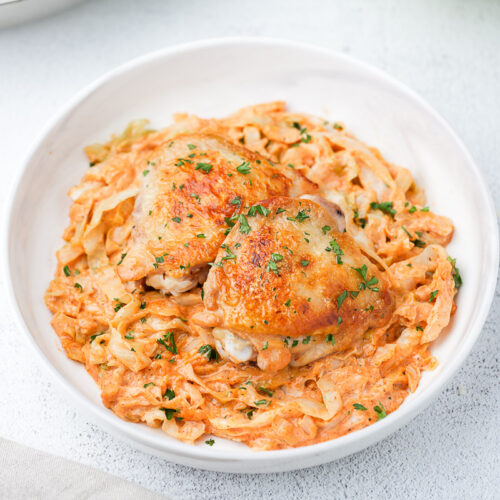
Creamy Cabbage Alfredo with Crispy Chicken Thighs

Equipment
- Large Skillet A wide, heavy skillet works best for the "Cold Pan" method. I used my Taima Titanium skillet for this recipe.
- Chef's Knife A sharp knife is required to slice the cabbage into uniform ¼-inch ribbons that mimic the shape of fettuccine.
- Kitchen Towel or Paper Towels Used to pat the chicken dry before cooking.
Ingredients
For the Chicken
- 6 Organic Chicken Thighs (bone-in, skin-on)
- 1 teaspoon Kosher salt
For the Cabbage Alfredo
- 1 Medium Green Cabbage (cut into ¼-inch ribbons)
- 1 teaspoon Kosher salt (for prep)
- 3 Garlic cloves (minced)
- 1 cup Heavy Cream (preferably non-homogenized)
- 1 cup Parmigiano Reggiano (freshly shredded)
- 1 tablespoon Unsalted Butter
- ½ teaspoon Black Pepper
- ½ teaspoon Paprika
- 1 pinch Nutmeg
- Parsley or Chives (for garnish)
- Red chili flakes (optional, to taste)
Instructions
- Prep the Ingredients:Pat dry chicken thighs using a towel or a paper towel. Salt them and set aside while prepping the cabbage. Cut the cabbage in ¼-inch ribbons, toss with 1 teaspoon salt and let sit for about 20 minutes (preferably in a colander).

- Sear the Chicken: Place seasoned thighs skin-side down in a cold skillet. Turn heat to medium and cook for 8-10 minutes or until skin is golden and crisp. Flip and cook for another 8 minutes until done. Remove chicken and set aside.
- Sauté the Cabbage: Add the squeezed cabbage to the rendered chicken fat in the skillet. Sauté for 5 minutes until tender-crisp.
- Simmer the Sauce. Stir in minced garlic for 1 minute. Add heavy cream, black pepper and paprika. Simmer for 3 minutes until slightly thickened.
- Finish: Reduce heat and stir in the butter, Parmesan and nutmeg until the sauce is glossy and clings to the cabbage.
- Serve. Slice the chicken or serve whole over the cabbage ribbons. Garnish with fresh herbs and chili flakes.

Notes
-
The Cold Pan Method: Starting in a cold skillet is the secret to "shatter-crisp" skin. It allows the fat to render slowly so the skin becomes thin and golden rather than chewy.
Note: If you try turning the chicken thighs over and they seem to be stuck to the pan it means the skin isn't cooked crispy yet and you need to sear the thighs a little. Once the sear is complete, the thighs will naturally release from the pan with minimal effort. - Moisture Control: Don't skip the "salt and squeeze" step for the cabbage. Removing that water is what prevents the Alfredo sauce from becoming a watery soup.
- Reheating: To enjoy leftovers, reheat in a skillet over medium-low heat with a splash of fresh cream to re-emulsify the sauce.