Easy Ginger Miso Dressing (Creamy, Dairy-Free & Vegan)
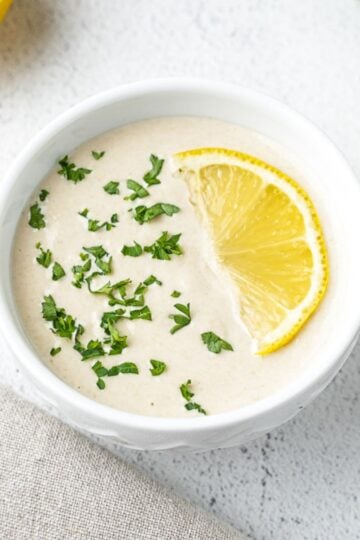
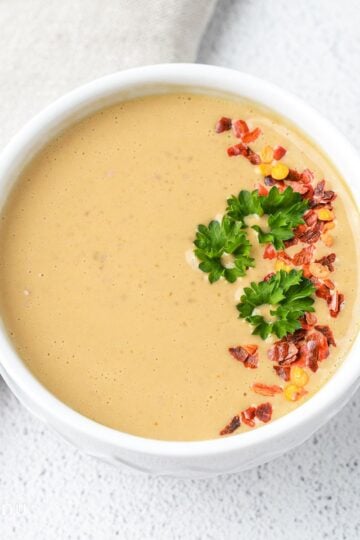
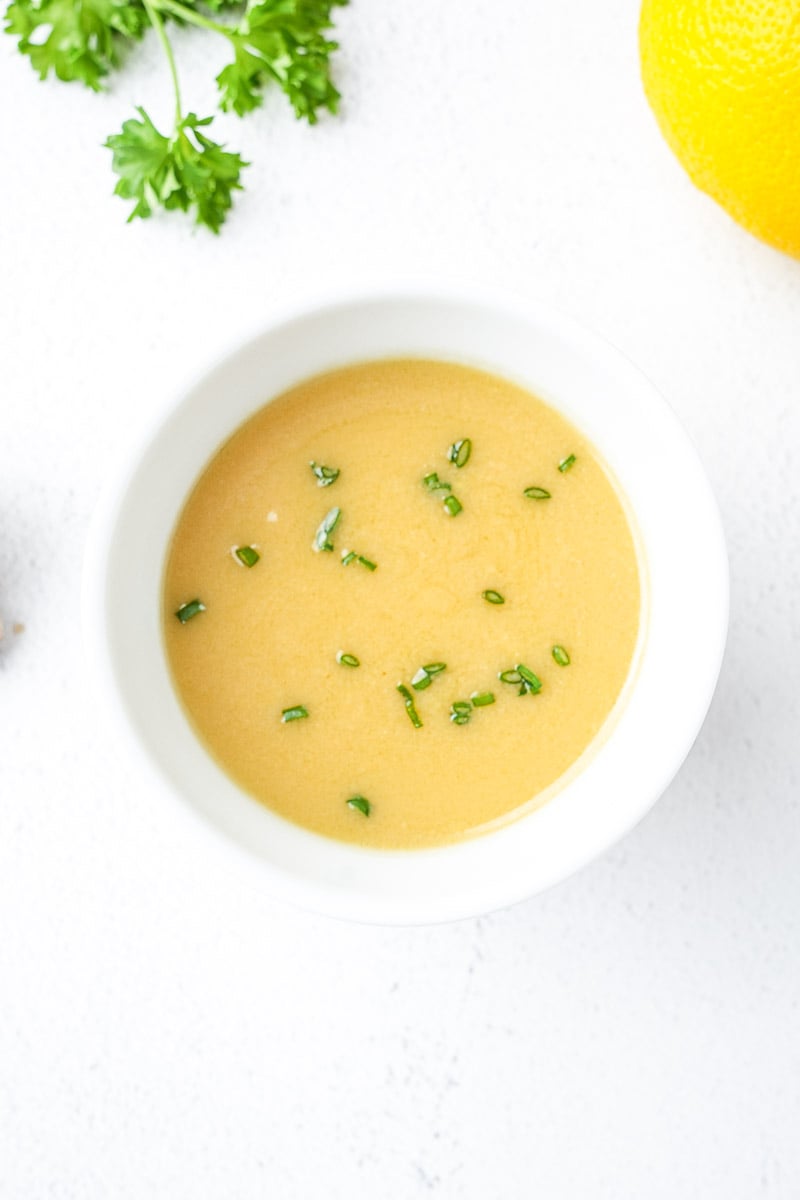
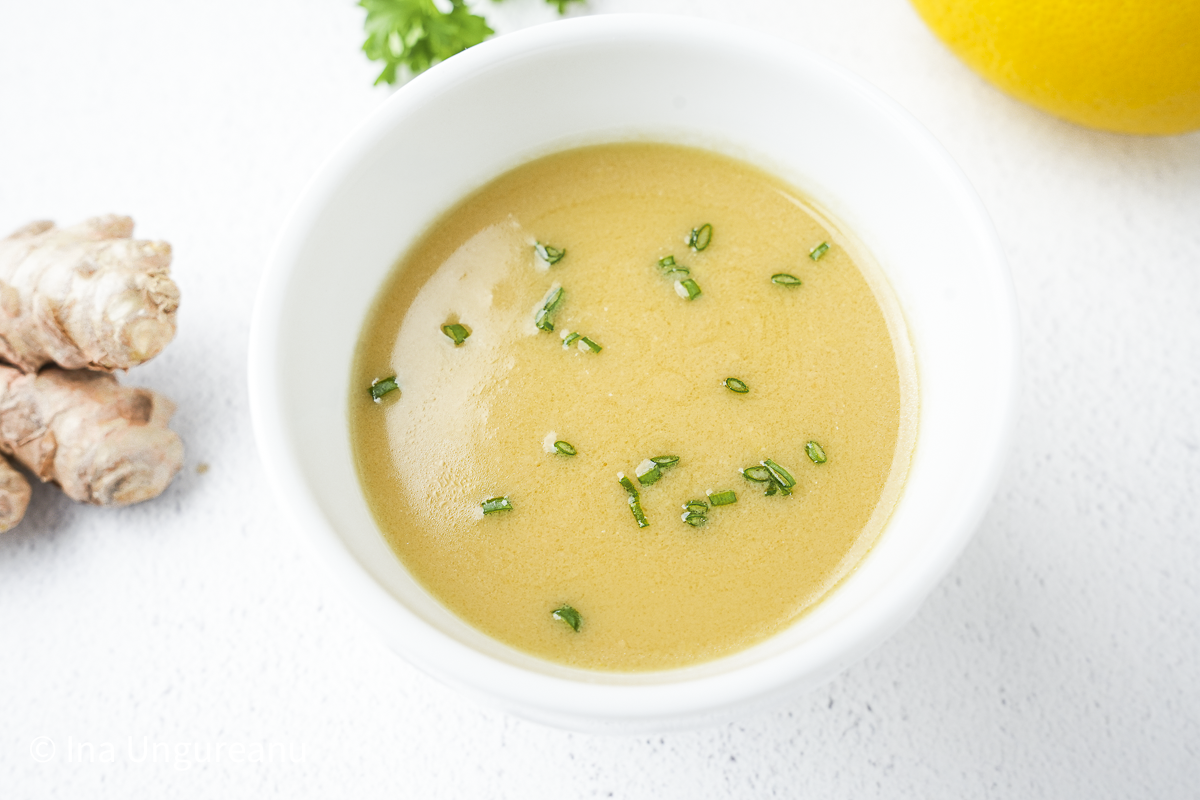
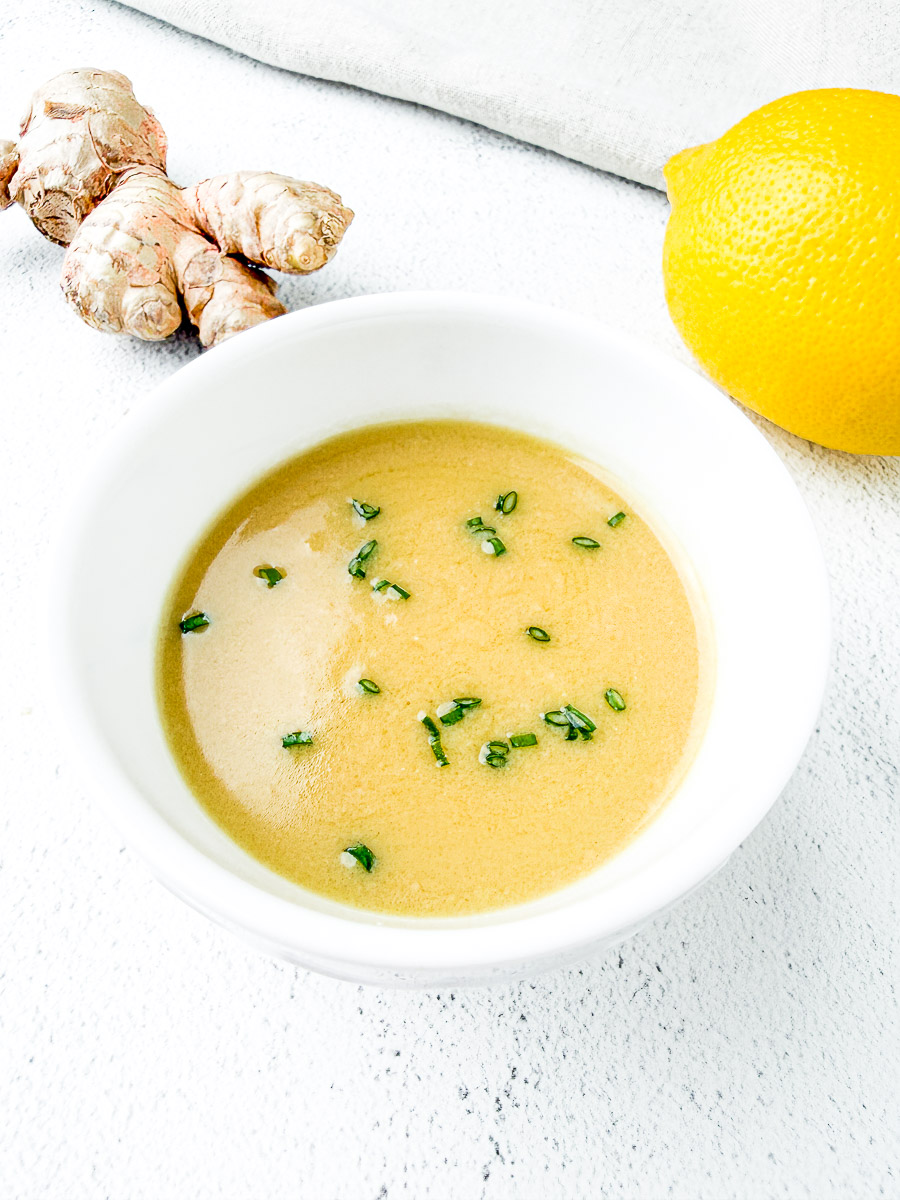
This easy ginger miso dressing is a creamy, dairy-free, vegan dressing made with fresh ginger, white miso, olive oil, and a bit of natural sweetness to balance things out. I usually make this dressing when I want something flavorful and quick, as this comes together in about 5 minutes.
I like to think of this dressing as a gut-friendly addition to everyday meals. The miso is naturally fermented, while fresh ginger brings warmth and flavor. I often pair this dressing with fiber-rich foods like roasted vegetables, leafy greens, and whole grains, but also with meat dishes.
Jump to:
- Why you'll love it
- Ingredients you'll need
- Watch how to make this dressing
- White vs yellow vs red miso (which to use and why)
- Step-by-step instructions
- Expert tips for a perfect ginger miso dressing
- Substitutions & variations
- How to serve
- Storage & make-ahead tips
- FAQ
- Related
- Easy Ginger Miso Dressing (Creamy, Dairy-Free & Vegan)
Why you'll love it
Ginger miso dressing is a savory and hearty salad dressing made by combining miso paste with fresh ginger, oil, and an acid such as vinegar or citrus juice. The miso provides saltiness and flavor. The ginger adds a lively, gentle heat. This creates a dressing that is bold and that can be used multiple ways.
Whether you're looking for a new addition to your meal prep routine, or want a whole-food alternative to a store bought version, you'll reach out for this recipe again and again.
- Bold yet balanced: The ginger adds gentle heat without being too much, making it easy to adapt to a variety of cuisines and dish types.
- Naturally dairy-free and vegan: You don't need heavy cream to get that creamy texture. This recipe uses oil to create a smooth and rich texture.
- Flexible: While it has a subtle Japanese-inspired flair, it works very well on a simple green salad like kale, roasted root vegetables, or even a dipping sauce for grilled chicken skewers.
Ingredients you'll need
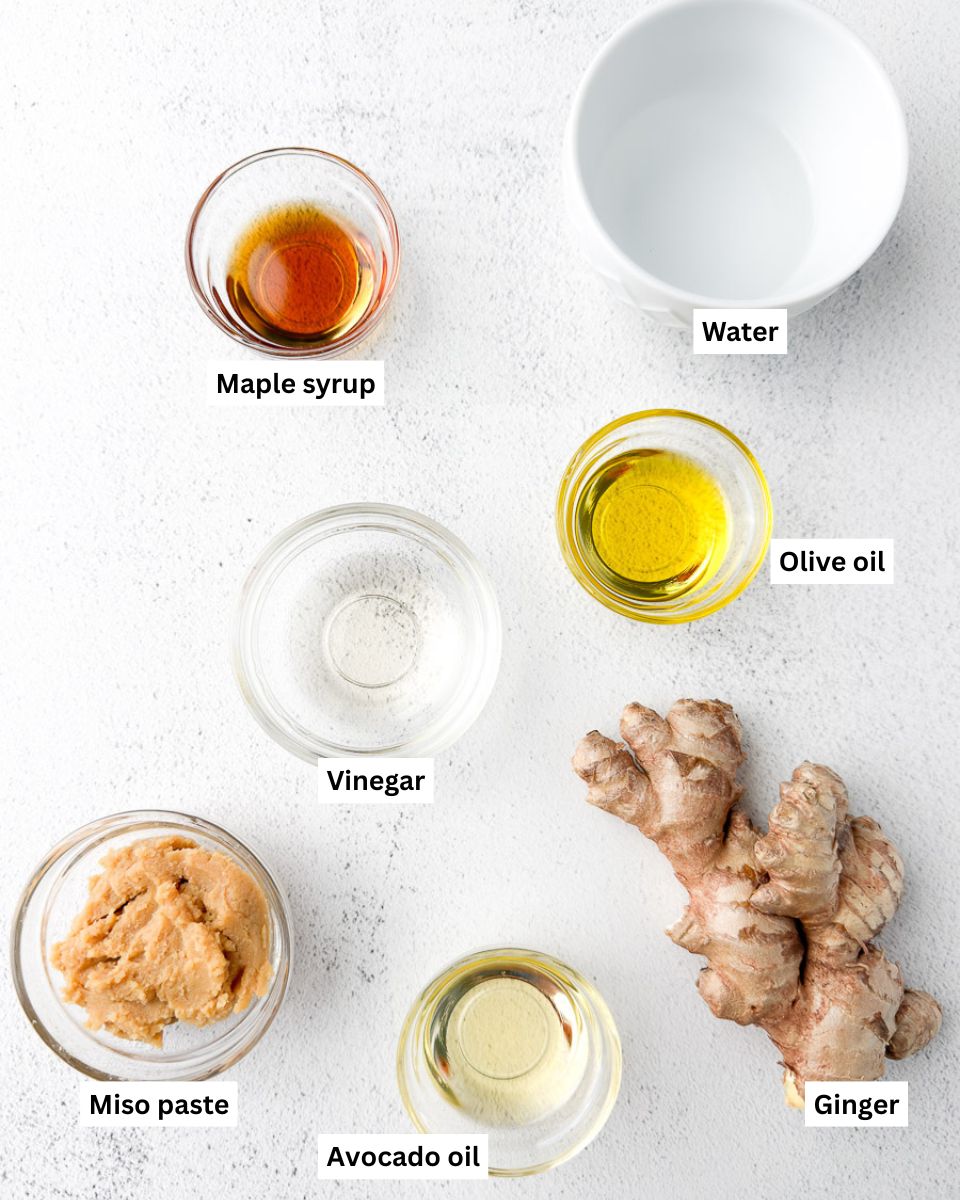
- White Miso paste - also known as Shiro Miso. This is the mildest variety of miso with a gentle saltiness.
- Fresh ginger - I would skip the powder for this dressing. Fresh ginger works best for this recipe. Use a microplane grater for best results.
Pro tip: keep the ginger in the freezer! Grating frozen ginger with a microplane grater creates a snow-like texture that incorporates better in the dressing. - Rice vinegar - adds a bit of acidity to balance the miso.
- Maple syrup or honey - to balance the saltiness. Use maple syrup for vegan only version.
- Extra virgin olive oil - cold-pressed oil works best for this recipe due to its lower acidity and robust flavor
- Neutral oil (like Avocado oil) - because extra virgin olive oil can solidify slightly when refrigerated, using a neutral oil as well ensures the sauce doesn't solidify too much when stored and is smoother.
- Water - to thin the dressing to your specific desired consistency.
Watch how to make this dressing
White vs yellow vs red miso (which to use and why)
Miso paste comes in several varieties, all made from fermented soybeans. The color of the paste tells you a lot about its taste and how it will behave in a dressing.
Here is how the most common three types compare:
White Miso (Shiro Miso)
This type of miso is fermented for the shortest period of time, and has:
- A mild, slightly sweet flavor
- Lower saltiness
- A smooth, creamy consistency which blends easily in dressings or sauces
If you are new to miso or want a dressing that does not overpower the taste of other ingredients, then white miso is for you. It works well in dressings for salads, grain bowls, roasted vegetables and proteins.
Yellow Miso (Shinshu Miso)
This is a good alternative to white miso with a slightly deeper flavor because yellow miso is fermented longer than the white one. This results in:
- A more savory, umami taste
- Slightly higher salt content
- A deeper golden color
Yellow miso works well if you like a flavor that is more pronounced, and it pairs very well with heartier greens like kale, roasted root vegetables, and grain bowls.
If substituting white miso with yellow miso, start with the same amount, but taste when adding vinegar and maple syrup, as it can be saltier depending on the brand.
Red Miso (Aka Miso)
This type of miso is fermented the longest, which gives:
- A very bold, salty and intense umami flavor
- A darker color
- A much stronger taste in dressings or dips
Red miso is very good for soups and marinades. It can, however, easily overpower dressings and sauces so use it sparingly, if at all. If you only have red miso on hand, I would use half the amount for this recipe.
Quick miso comparison guide:
- Best overall: White miso
- More savory: Yellow miso
- Strongest and saltiest: Red miso
Step-by-step instructions
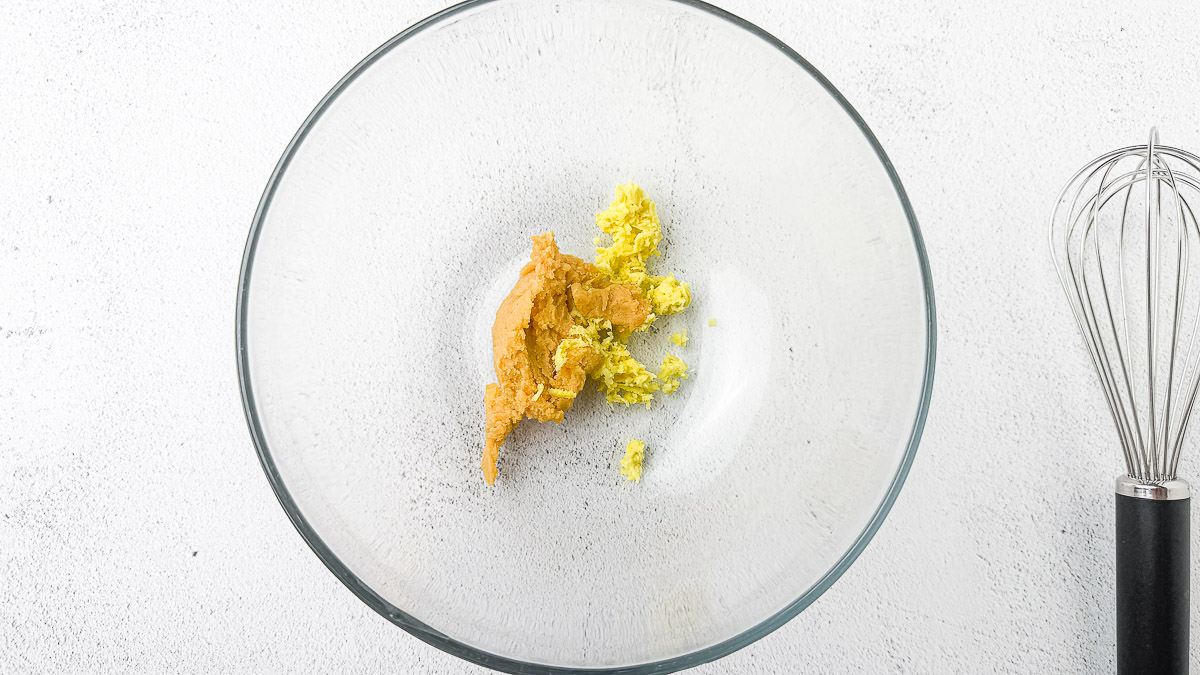
Step 1. Peel the ginger and grate it with a microplane grater. It's best to keep the ginger in the freezer before grating for that snow effect. In a mixing bowl add the miso paste and ginger and mix with a whisk.
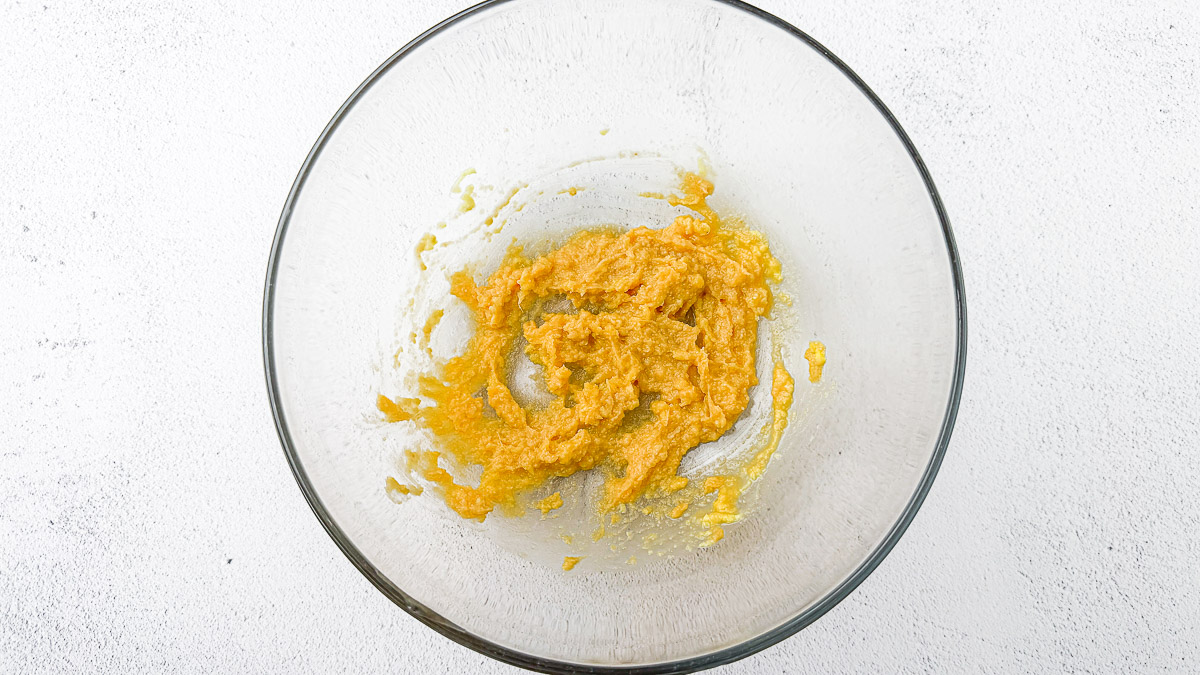
Step 2. Add the rice vinegar and the maple syrup to the mixture and whisk.
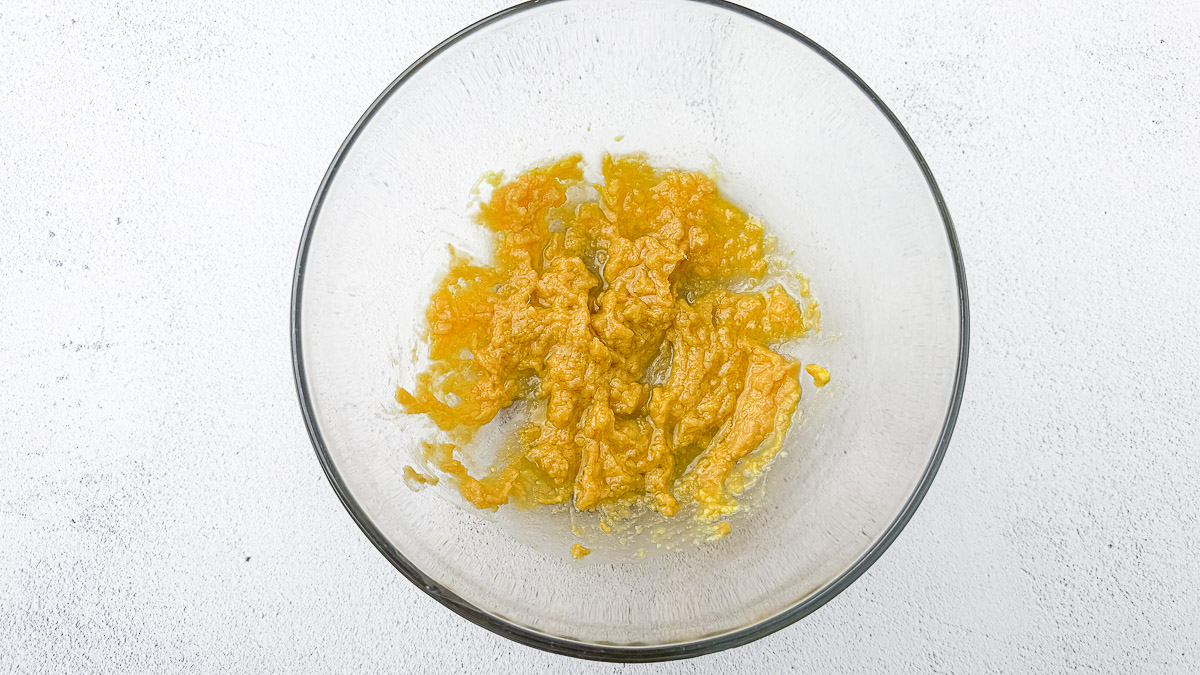
Step 3. While whisking constantly, slowly pour in the oils in a steady, thin stream.
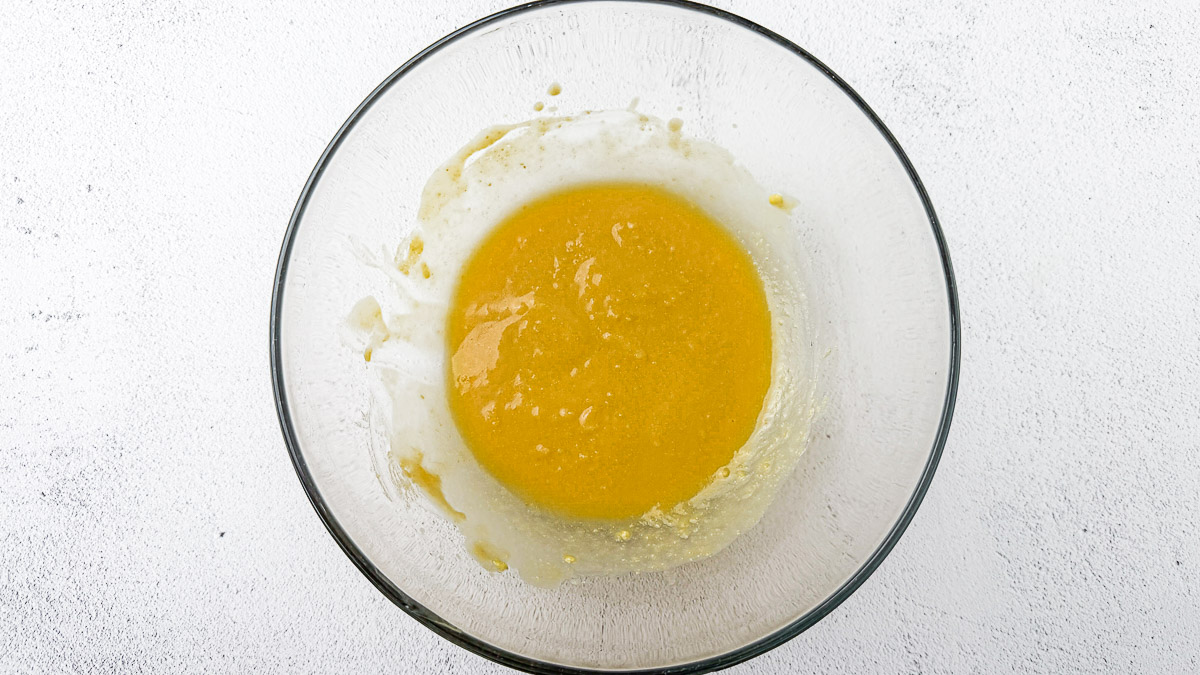
Step 4. Whisk in the water one tablespoon at a time. Use 2-3 tablespoons of water for a pourable consistency. Use 1 tablespoon of water only for a thicker sauce. Whisk well until combined and creamy.
Step 5. Give the dressing a quick taste. Miso's saltiness varies by brand, so if it tastes too sharp to you, add a bit more maple syrup or honey.
Expert tips for a perfect ginger miso dressing
Here are some things I found are helpful when preparing this dressing.
- Freezing the ginger before grating it is a game-changer. This creates a fine texture, preserves ginger's taste better without those woody-like bits.
- Don't rush the oil when pouring it in. Add it in a steady thin stream to get that creamy texture.
- If the dressing feels too savory due to the miso paste feeling too heavy, don't add salt - add more acid. You can squeeze a little lime or lemon juice or add one more teaspoon of rice vinegar.
- Temperature matters - for the best flavor, serve the dressing at room temperature. If you pull it from the fridge and it has solidified a bit due to the olive oil, place the jar in a bowl of warm water for a couple minutes. This will restore the creaminess and silkiness of it.
- Use high-quality miso - since this recipe is made from raw ingredients, I typically reach out for white miso for its mellow flavor. Red or brown miso is fermented longer and can taste a lot heavier.
Substitutions & variations
Miso paste options
White miso is my preferred option for this ginger miso dressing recipe, but you can substitute with:
- Yellow miso for a slightly more savory taste
- Light brown miso in small amounts, if that's what you have in your fridge.
- If using a darker miso, start with less and adjust to taste, as it can be more intense and saltier.
Sweetener variations
- Honey (not vegan)
- Agave nectar
- A small amount of coconut sugar dissolved in the vinegar
Acid alternatives
Rice vinegar keeps the dressing smooth and mild. You can substitute it with:
- Apple cider vinegar for a sharper taste
- Fresh lemon or lime juice for a citrusy finish
Oil swaps
I like using extra virgin olive oil for its richness, but it can be substituted with:
- Avocado oil for a neutral taste
- Grapeseed oil for a lighter taste
- Toasted sesame oil for a nuttier flavor. This has to be used sparingly to avoid taste overpowering.
How to serve
This ginger miso dressing can be served multiple ways, here are a few that I've tried:
- Grain bowls - this dressing makes the perfect finishing touch to a bowl. I just drizzle it over quinoa or boiled brown rice, then adding roasted sweet potatoes, cucumber, edamame and a sprinkle of sesame seeds.
- Roasted vegetables - I like roasting simple veggies like broccoli, cauliflower, or carrots and pour a spoonful of this dressing on top while the vegetables are still warm. That aroma is the best!
- High-protein meals - this dressing works really well as a dip as well (just add less water when making it). I like to add it alongside chicken skewers, grilled fish or tofu.
- Cold soba noodle salad - I oftentimes toss some chilled soba noodles (this one is my favorite), shredded cabbage, and diced green onions together with this miso dressing for a satisfying lunch.
Want to see more Miso or ginger recipes? Try my Pan-seared cabbage wedges with miso-honey glaze or my Ginger pear bread recipes next!
Storage & make-ahead tips
- Refrigeration is key. The dressing should be stored in an airtight glass container or jar for up to 7 days. The dressing is likely to thicken a bit due to the olive oil in it. Simply take the jar out of the fridge 10-15 minutes before serving or place the dressing jar into warm water for a minute or two, then mix it well.
- Meal-prep advantage: this is a great dressing to use as meal-prep. You can make two batches on Sunday and you'll have it ready for quick lunches and dinners.
- Avoid the freezer: I do not recommend to freeze this dressing. I have tried freezing it once and it turned out grainy and the texture separated.
FAQ
While you can, I don't recommend it for this specific recipe. White miso (Shiro Miso) is fermented for a shorter time, giving it a milder, sweeter flavor. Red miso is much saltier, which might overpower the other ingredients.
By whisking the miso, vinegar, and sweetener into a smooth paste before you add the oil, the miso acts as a natural emulsifier. When you slowly whisk in the oil, it creates a thick, creamy bond that looks and feels like it was made in a high-speed blender.
Simply take it out of the fridge 5-10 minutes before serving, or run the jar under warm water for a minute, then give it a vigorous shake or mix.
When stored in an airtight jar in the refrigerator, this dressing will stay fresh and flavorful for up to 7 days.
Yes. To lower the sodium:
Use white miso, which is typically lower in salt than darker varieties.
Start with slightly less miso and adjust to taste.
Add more acid (vinegar or citrus) instead of salt to boost flavor.
Absolutely. The sweetness in this dressing is meant to balance the saltiness of the miso, not make it sweet. You can reduce the maple syrup or honey slightly, or swap in agave or another liquid sweetener. Always adjust after tasting, as miso brands vary.
Freezing is not recommended. The oils tend to separate when thawed, and the texture can become grainy. For best results, store the dressing in the refrigerator and use it within a week.
Traditional miso is made from soybeans, so this recipe is not soy-free. Some specialty stores sell chickpea or other legume-based miso-style pastes, but flavor and salt levels vary widely. If using a substitute, start with a smaller amount and adjust carefully.
Related
Looking for other recipes like this? Try these:
Easy Ginger Miso Dressing (Creamy, Dairy-Free & Vegan)

Equipment
- Glass container (for storage)
Ingredients
- 2 tablespoon White miso paste
- 1 tablespoon Fresh ginger (grated or finely minced)
- 3 tablespoon Rice vinegar
- 2 tablespoon Extra virgin olive oil
- 2 tablespoon Avocado oil
- 1 tablespoon Maple syrup or Raw honey
- 2-3 tablespoon Water (to thin for your preferred consistency)
Instructions
- Prepare the ginger: Peel the fresh ginger using the edge of a spoon to get into the nooks. Grate it using a microplane or the finest side of a box grater. This ensures the ginger flavor is evenly distributed without woody chunks.
- Combine ingredients: In a medium glass bowl or a wide-mouth mason jar, whisk together the white miso paste, grated ginger, rice vinegar, and your sweetener of choice (honey or maple syrup).Pro-Tip: Whisk these first to break down the miso paste into a smooth slurry before adding the oils.
- Combine the Oils: Slowly pour in the extra virgin olive oil and the avocado oil while whisking constantly. By adding the oil in a thin stream, you create a stable emulsion that won't separate as quickly.
- Adjust consistency: Add water one tablespoon at a time, whisking after each addition, until the dressing reaches your desired thickness. For salads: Aim for a pourable, silkier consistency - add 2-3 tablespoons of water.For grain bowls: Keep it slightly thicker so it coats the ingredients well - add 1-2 tablespoons of water.For dips: add just one tablespoon of water and mix well.
- Taste and refine: Give it a final taste. Depending on the saltiness of your specific miso brand, you may want a tiny splash more vinegar for brightness or a touch more honey for balance.
Notes
- Freeze the ginger before grating it. This will create a snow-like texture for ginger when grated making it blend smoothly with the rest of the ingredients.
- Pour the oil slowly while whisking at the same time for that creamy texture!
-
Storage: Keep in an airtight jar in the refrigerator for up to 7 days.
Note: The olive oil may solidify slightly when cold. If this happens, let the jar sit at room temperature for 15 minutes and give it a vigorous shake before serving. - Do not freeze: the dressing will turn grainy and oil will separate when unfreezing.
- Massage it into kale: The acidity helps soften the leaves.
- Grain Bowls: Pair with roasted sweet potatoes, quinoa, and avocado.
- Roasted Vegetables: Drizzle over warm roasted carrots or broccoli.
Nutrition
Did you make this recipe?
If you make this recipe and like it, be sure to comment and rate it below.