Easy Homemade Teriyaki Sauce Recipe
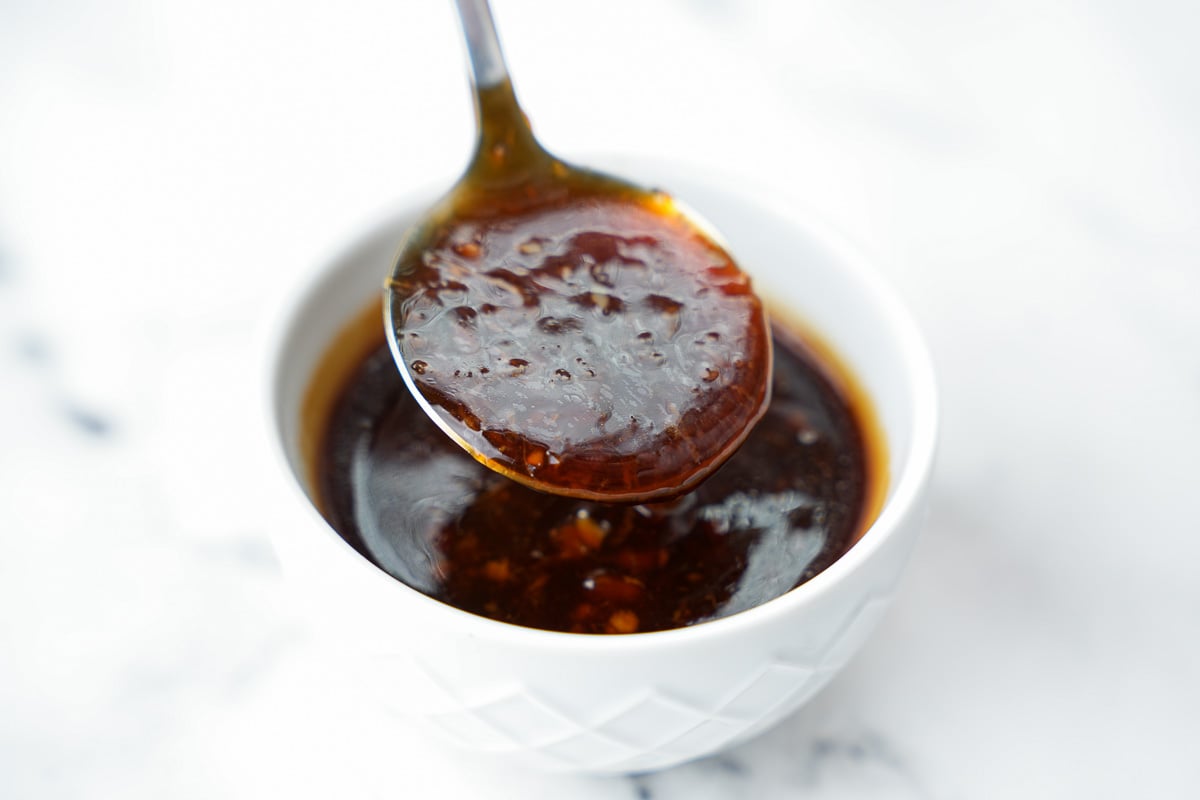
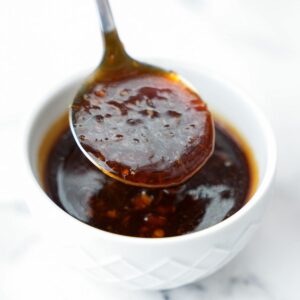
This homemade teriyaki sauce is one of those staple sauces that I love because they instantly make dinner easier. It has a rich texture, comes together in about 10 minutes and is made with simple ingredients. Once I started making my own teriyaki sauce, I stopped buying the bottled versions altogether. You can customize it just the way you like it, there are no unnecessary additives, and fresh garlic and ginger make all the difference.
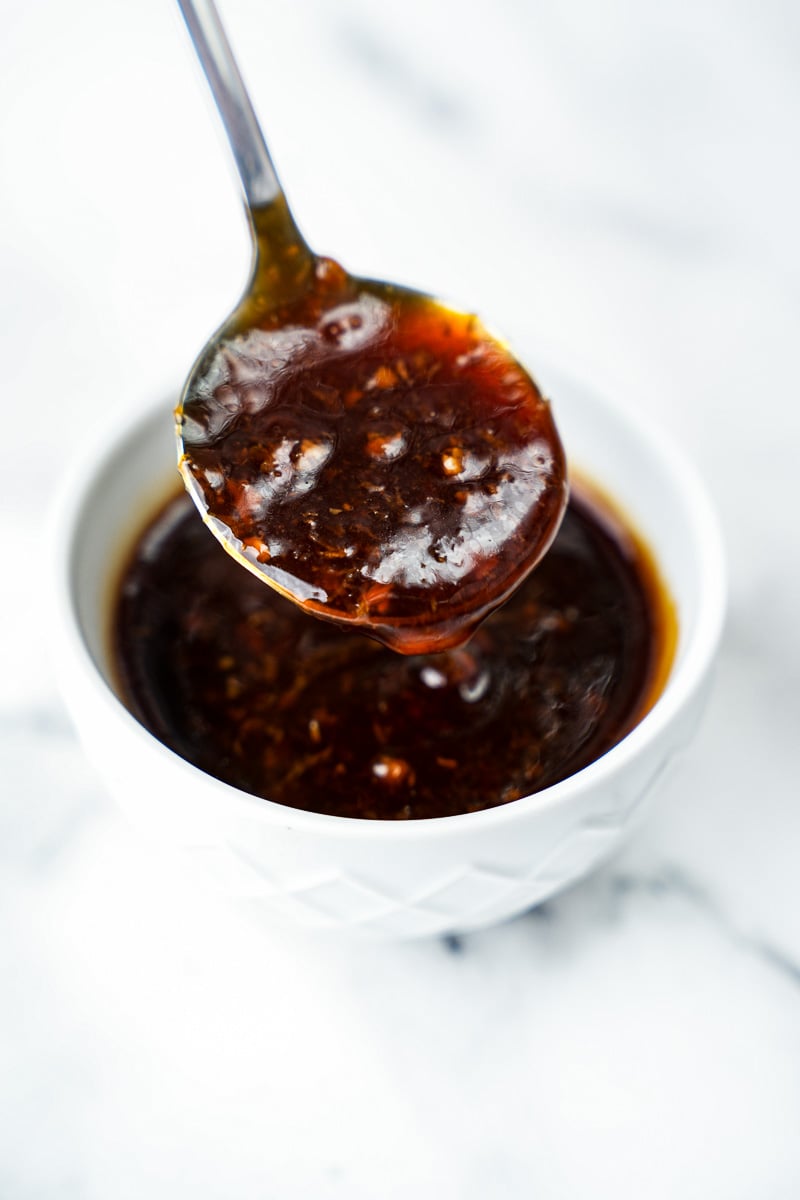
If you have never make teriyaki sauce before, don't worry - it's much easier to make than it sounds. I'll walk you through exactly how to make it, how to adjust it to your taste, and how you can adjust it easily based on your preferences.
I like using this savory sauce on my Salmon teriyaki bowl or when cooking my Crock pot sticky Asian chicken recipe. This sauce can go really well with meats, seafood and vegetables!
Jump to:
Why you'll love it
This recipe if all about the fresh garlic, fresh ginger, and that personal touch no factory can compete with.
Get ready to elevate your kitchen game and say goodbye to store-bought sauces forever!
What is teriyaki sauce?
Teriyaki sauce is a sweet and savory sauce traditionally used in Japanese cooking. The word teriyaki actually means a cooking method: teri means glaze and yaki means grilled or broiled. The most simple version of teriyaki is made of just soy sauce, mirin (Japanese rice wine), and sugar.
American-style teriyaki sauce is different: thicker, sweeter, and usually includes ingredients like garlic, ginger, and honey.
One of the reasons I like making homemade teriyaki sauce is that I can control the sweetness, thickness and saltiness myself. Some bottled versions can be overly sweet or heavy with preservatives. When you make it at home, not only do you know what you put in it, but also can adjust it to your preferences.
Ready to give your meals a fun twist with this awesome homemade teriyaki sauce?
Watch how to make homemade teriyaki sauce
Ingredients you'll need
To get started making this recipe, you'll first want to gather all your ingredients first.
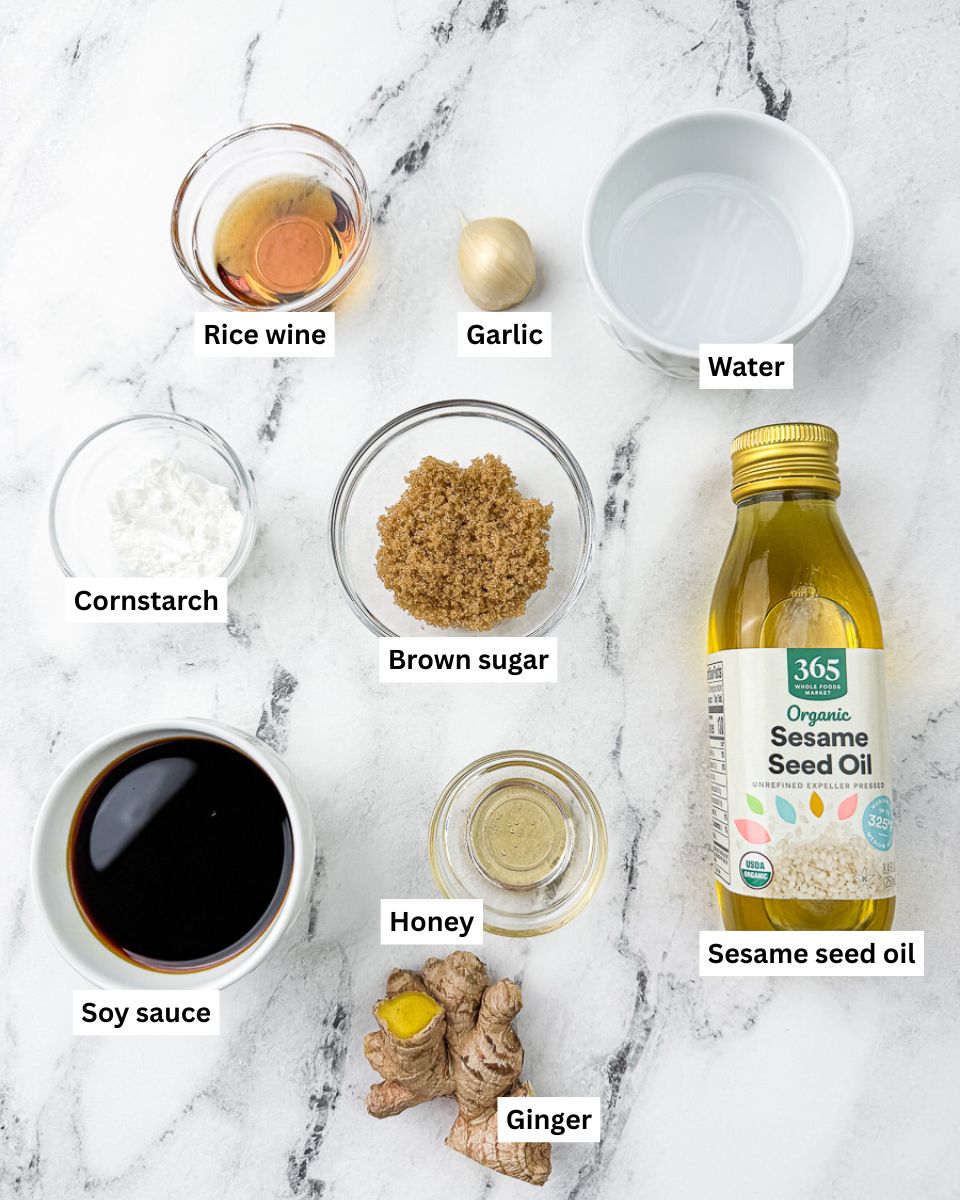
- Soy sauce - the foundation for our homemade teriyaki sauce. It provides saltiness and that umami flavor we all like. You can also use a low-sodium version or tamari sauce for a gluten-free version.
- Rice wine - adds a mild acidity. You can also use simle mirin, just keep in mind that mirin is sweeter than the typical rice wine.
- Sesame seed oil - adds a slight nutty aroma.
- Brown sugar - I typically prefer dark brown sugar for its rich flavor, but you can use light brown sugar as well.
- Fresh ginger - adds warmth and brightness, and it's an essential ingredient for our sauce.
- Fresh garlic - compliments the ginger very well and brings a savory depth.
- Honey - gives the sauce a smooth and sweet finish. Also, it creates that glossy teriyaki sauce finish.
- Cornstarch - thickens the sauce.
- Water - used to make the cornstarch slurry. Helps balance the soy sauce.
Step-by-Step Instructions
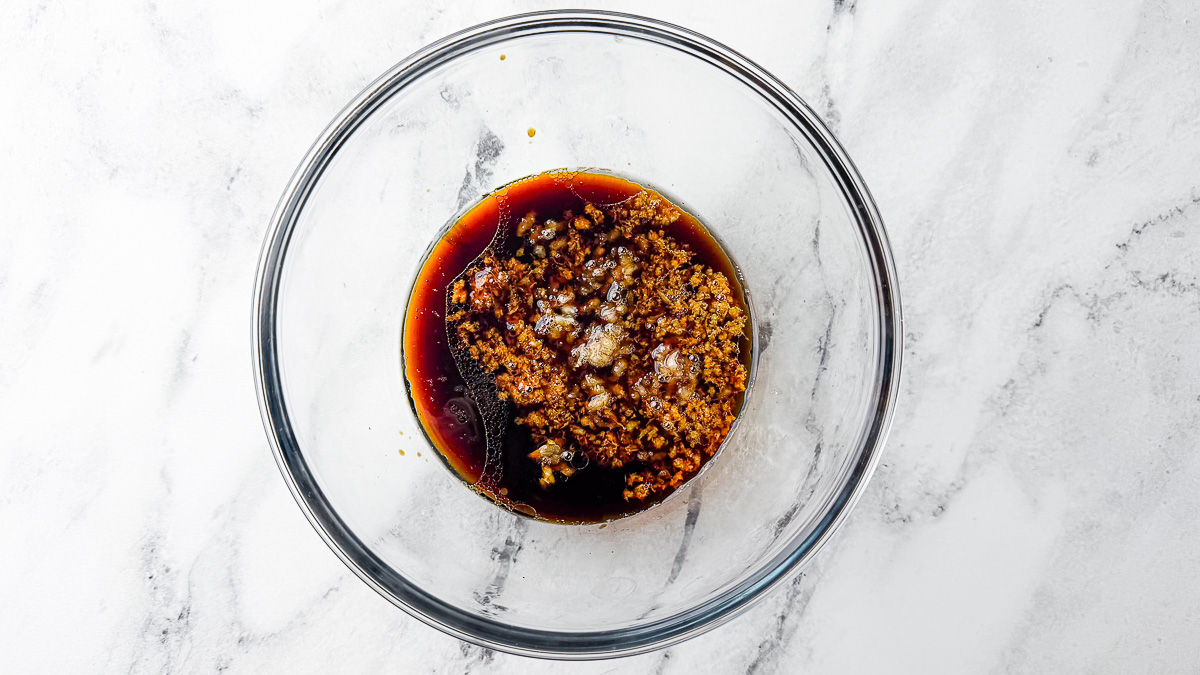
Step 1: In a medium bowl combine the soy sauce, rice wine, sesame seed oil, minced fresh garlic, minced fresh ginger, brown sugar and honey together. Mix well.
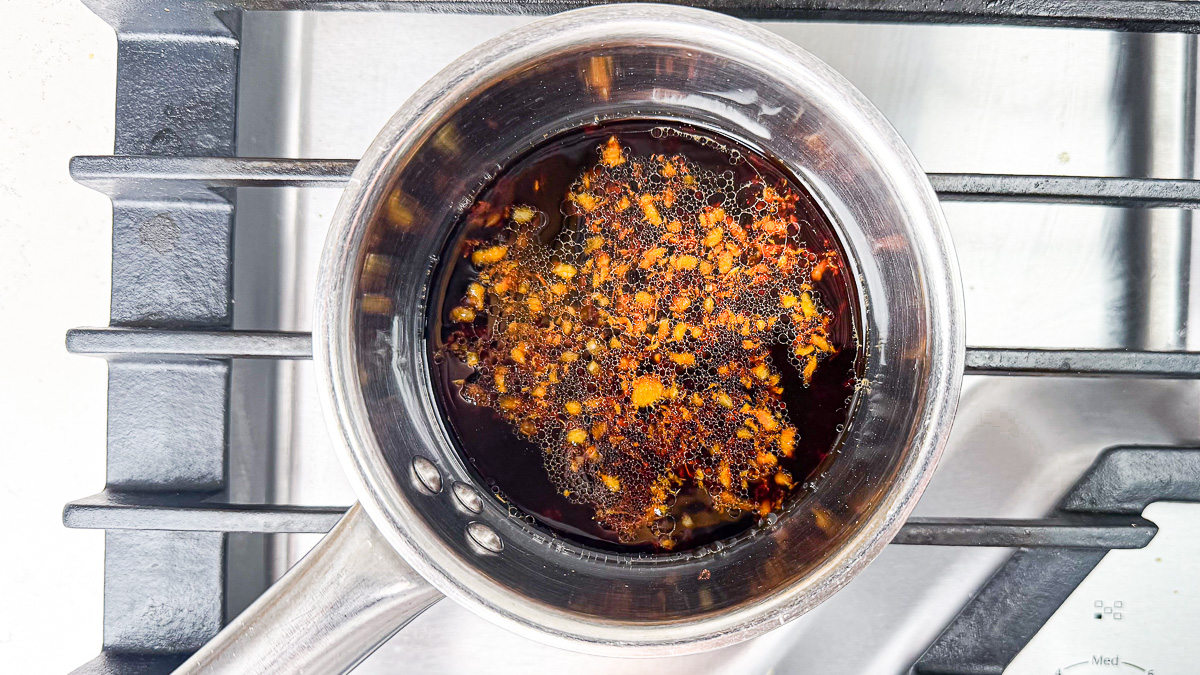
Step 2: Transfer the mixture to a saucepan and boil for about 2 minutes.
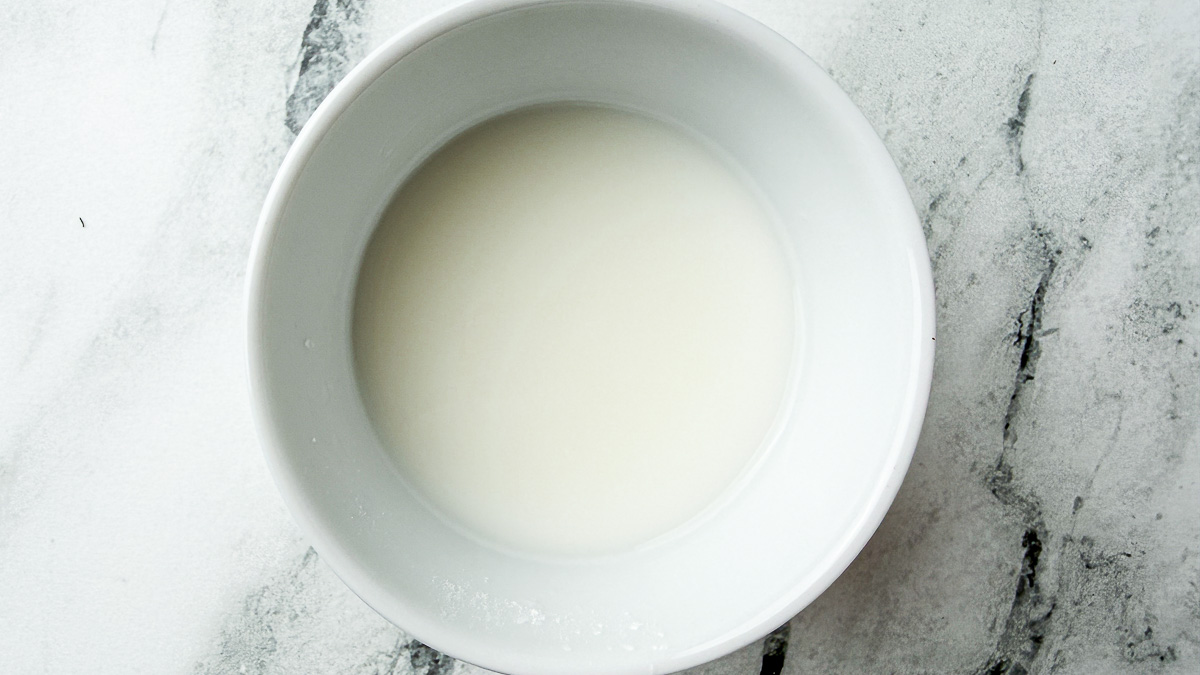
Step 3: Meanwhile, mix well together the cornstarch and water.
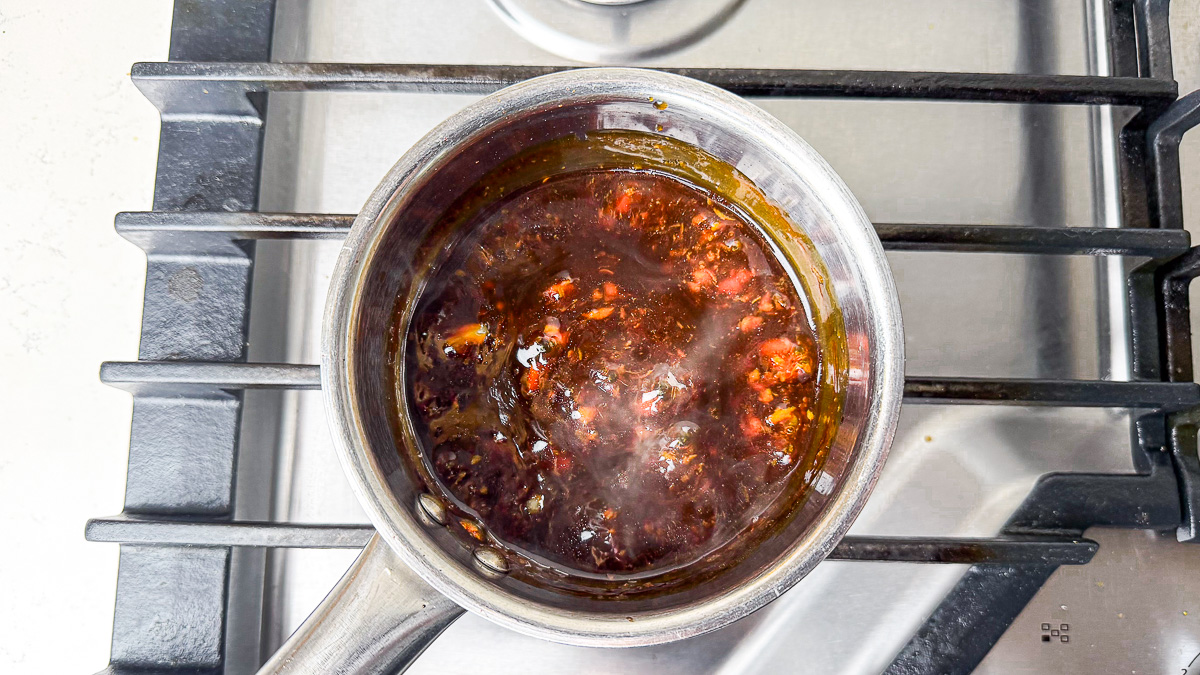
Step 4: Pour the cornstarch with water in the boiling mixture and mix well. Boil for another minute or so. The mixture should thicken.
Step 5: Use it immediately or pour it in a sauce glass container for storage in the refrigerator.
Expert tips
By making this sauce over time, I've learned a few small details that make all the difference.
- Whisk before heating: Make sure the sugar is fully dissolved, as this ensured the sauce thickens smoothly.
- Always make a cornstarch slurry: never add the cornstarch directly into the hot liquid. I've made this mistake more than one time and The result is a clumpy texture that no-one likes. In hot liquid, the outer granules of cornstarch gelatinize instantly, leaving powder granules inside. Always mix cornstarch with cold liquid until it dissolves and only after that pour it slowly into the hot liquid.
- Don't overcook it: the sauce thickens quickly once you pour cornstarch. It might look thin at first but then it will thicken very rapidly when cornstarch is activated by the heat.
- Adjust for the dish you'll use the sauce for: if you will be using this sauce as a marinade, make it thinner by reducing the cornstarch amount. If you're glazing salmon, meat, or vegetables with it a thick consistency is better.
- Taste as You Go: Don't be shy to adjust the flavors as you mix. Want more honey? Go for it. Want less ginger? That's fine, too.
- Low Sodium Option: Use tamari instead of soy sauce to reduce the sodium content without losing flavor. This also makes this sauce gluten-free.
- Sweetness Adjustment: Opt for simple sugar if you prefer a sweeter taste.
- Microwave method: For those preferring a quicker method, combine all but cornstarch and water in a microwave safe bowl then microwave for about 1 minute. Add the cornstarch with water mixture and mix well, microwaving for 30 seconds more after that.
Substitutions & variations
When you make your sauces at home, it is very easy to customize the ingredients so the result turns out exactly how you like it.
Here are the most common substitutions and variations for this easy teriyaki sauce recipe.
- Make it Gluten-free - replace the soy sauce with tamari sauce or a certified gluten-free sauce. The flavor will stay rich and savory, and the texture stays the same as well.
Tip: always double check labels to make sure your rice wine or mirin is also gluten-free. - Make it Low-sodium - for a lighter salt level, use a low-sodium soy sauce. I don't really recommend it reducing it a lot because this sauce relies on soy sauce for depth. The sauce can be better balanced with water, if needed. Making this sauce at home is already giving you a lot of control into what exactly and how much goes into it.
- Make it refined sugar-free - the brown sugar in this recipe can be replaced with coconut sugar, maple syrup or additional honey. I've tried making it with maple syrup and I loved the flavor profile the maple syrup is bringing to it.
Tip: keep in mind that liquid sweeteners can thin the sauce. You will need to allow it to simmer a bit longer or add a touch more cornstarch mixture. - Teriyaki sauce without cornstarch - at times I prefer a thiner, traditional-style sauce, like when using it as a marinade. In this case, I skip the cornstarch mixture altogether and I simmer the sauce additional time (like 1-2 more minutes), so the liquid reduces on stovetop and a natural thickening happens. It might be less glossy, but the flavor will stay amazing.
- Make it spicy - for a subtle heat you can add ½ teaspoon red pepper flakes, sriracha sauce or a dash of chili garlic sauce, just remember to taste as you go.
- Using Mirin instead of rice wine - Mirin can replace wine in equal amounts. It is naturally sweeter, you might want to slightly reduce the sugar to keep the sauce balanced.
How to use
There are multiple ways to use this sauce, here are a few:
- As a marinade - perfect for salmon, chicken, shrimp. Marinate for 30 minutes to 2 hours for a deep, caramelized flavor.
- As a glaze - brush on grilled meats, baked fish or vegetables during the last 2 minutes of cooking.
- For stir-fries - sauté your favorite vegetables (broccoli, carrots, bell peppers, snap peas) and protein, then toss with sauce towards the end for a great, easy meal.
- Finishing drizzle - spoon it over boiled rice, roasted veggies, or drizzle over avocado toast for flavor.
- Dipping sauce - can be served slightly cooled with dumplings, egg rolls, or spicy chicken tenders.
Storage & reheating
This sauce stores easily and a single batch can carry you through several meals during the week.
How to store
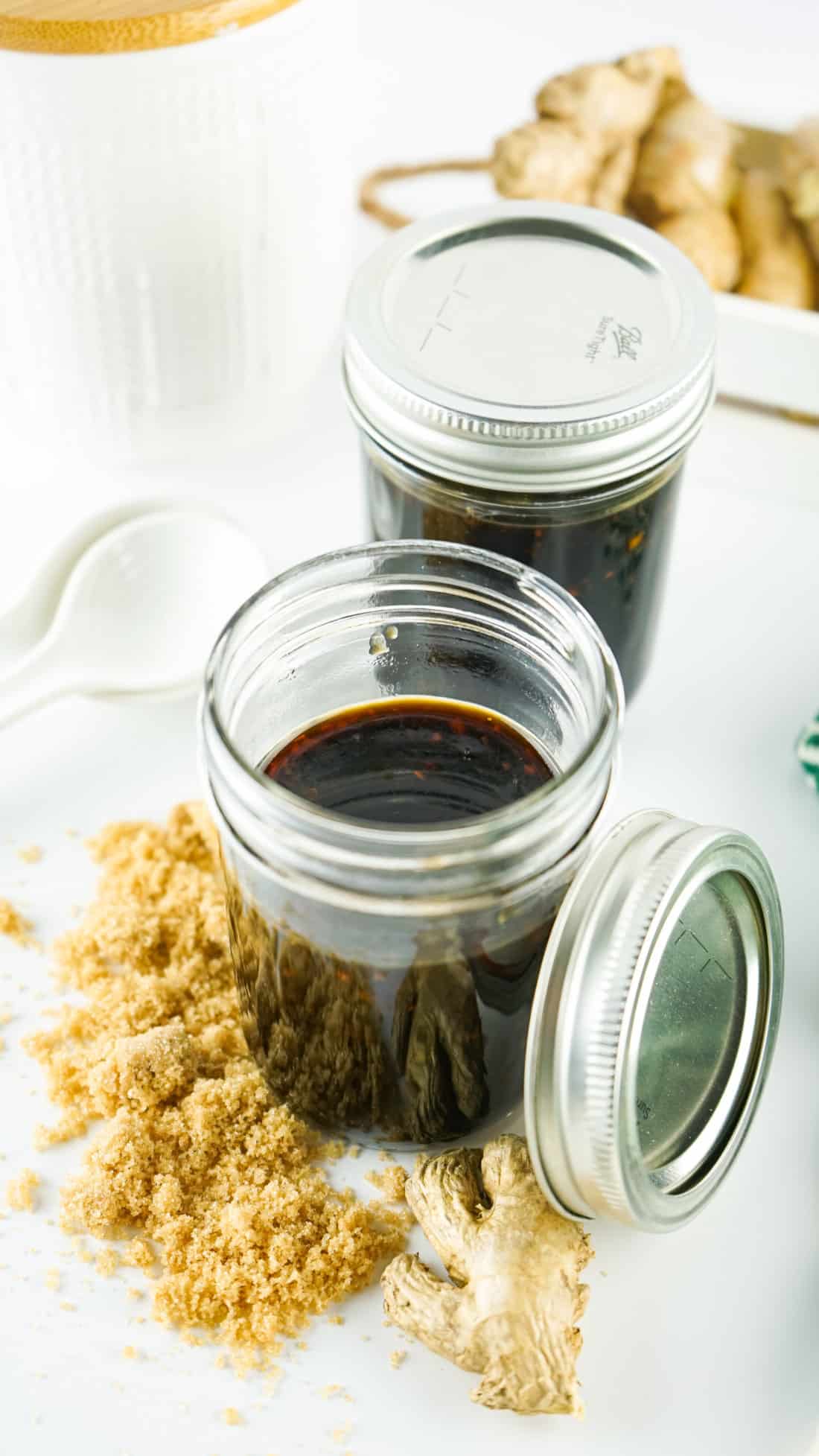
Allow the sauce to cool completely and transfer to a glass airtight jar. This can stay in the refrigerator for up to a week.
The sauce can thicken slightly while refrigerator - this is completely normal.
Freezing the sauce
This teriyaki sauce freezes very well. It can be poured into a freezer-safe container, leaving a little room for expansion. This can also be frozen in similar-size silicon trays for easy single-use servings.
The sauce can be frozen for up to 3 months. Thaw it overnight in the refrigerator before using.
When thawed, give it a good stir or whisk to bring the texture back together.
Reheating
You will have to reheat the sauce gently in order to preserve the texture.
- On stovetop - place the sauce in a small saucepan over low heat, stirring occasionally until heated through.
- In microwave - heat it in short 15 seconds intervals, stirring between each interval to prevent overheating.
If the sauce thickens too much during storage, add a teaspoon or two of water and stir while reheating. This will make it reach your desired consistency.
FAQ
The homemade teriyaki sauce will keep in an airtight container in the refrigerator for up to one week. The flavors actually deepen slightly after the first day.
If you notice it thickens in the fridge, simply reheat gently and add a small splash of water to loosen it.
Yes, you can. Traditional Japanese-style teriyaki sauce is typically thinner and thickens naturally through reduction rather than cornstarch.
If you prefer that style, simply simmer the sauce on the stovetop until it reduces slightly. It won't be as glossy or thick, but it will still have excellent flavor.
Yes, mirin can be substituted in equal amounts. Because mirin is sweeter than rice wine, you may want to slightly reduce the brown sugar to keep the sauce balanced.
Always taste before thickening so you can adjust the sweetness as needed.
Traditional soy sauce contains wheat, so it is not gluten-free. However, you can easily make this recipe gluten-free by using tamari or certified gluten-free soy sauce.
Everything else in the recipe is naturally gluten-free, but it's always best to double-check ingredient labels.
Teriyaki sauce combines salty depth from soy sauce, sweetness from sugar or honey, aromatic warmth from ginger and garlic, and a slightly glossy, smooth finish. It taste savory and sweet.
Yes, but it's best to reserve some sauce separately before marinating raw meat.
Use one portion as the marinade, and keep another portion clean for brushing on during cooking or serving as a finishing glaze.
Teriyaki sauce thickens as it cools. If it becomes too thick, simply whisk in a small amount of warm water while reheating until it reaches your desired consistency.
If it becomes overly thick during cooking, it may have simmered too long after the cornstarch was added.
Absolutely. I often make a batch at the beginning of the week and store it in the refrigerator for quick dinners. It reheats very good and makes meal prep much easier.

Easy Homemade Teriyaki Sauce Recipe

Equipment
- Glass jar (for storage_
Ingredients
- ½ Cup Soy Sauce
- 3 Tablespoons Rice Wine
- 1 ½ Teaspoons Sesame Oil
- 3 Tablespoons Brown Sugar
- 2 Teaspoons Minced Fresh Ginger
- 1 Teaspoon Minced Fresh Garlic
- 2 Tablespoons Honey
- 1 Tablespoon Cornstarch
- ¼ Cup Water
Instructions
- In a medium bowl combine the soy sauce, rice wine, sesame seed oil, minced fresh garlic, minced fresh ginger, brown sugar and honey together. Mix we
- Transfer the mixture to a saucepan and boil for about 2 minutes.
- Meanwhile, mix well together the cornstarch and water.
- Pour the cornstarch with water in the boiling mixture and mix well. Boil for another minute or so. The mixture should thicken.
- Use it immediately or pour it in a sauce glass container for storage in the refrigerator.
Notes
- Whisk before heating: Make sure the sugar is fully dissolved, as this ensured the sauce thickens smoothly.
- Always make a cornstarch slurry: never add the cornstarch directly into the hot liquid. I've made this mistake more than one time and The result is a clumpy texture that no-one likes. In hot liquid, the outer granules of cornstarch gelatinize instantly, leaving powder granules inside. Always mix cornstarch with cold liquid until it dissolves and only after that pour it slowly into the hot liquid.
- Don't overcook it: the sauce thickens quickly once you pour cornstarch. It might look thin at first but then it will thicken very rapidly when cornstarch is activated by the heat.
- Adjust for the dish you'll use the sauce for: if you will be using this sauce as a marinade, make it thinner by reducing the cornstarch amount. If you're glazing salmon, meat, or vegetables with it a thick consistency is better.
- Taste as You Go: Don't be shy to adjust the flavors as you mix. Want more honey? Go for it. Want less ginger? That's fine, too.
- Low Sodium Option: Use tamari instead of soy sauce to reduce the sodium content without losing flavor. This also makes this sauce gluten-free.
- Sweetness Adjustment: Opt for simple sugar if you prefer a sweeter taste.
- Microwave method: For those preferring a quicker method, combine all but cornstarch and water in a microwave safe bowl then microwave for about 1 minute. Add the cornstarch with water mixture and mix well, microwaving for 30 seconds more after that.
- Make it Gluten-Free: Use tamari sauce or certified gluten-free soy sauce