Pan-Seared Cabbage Wedges with Miso-Honey Glaze
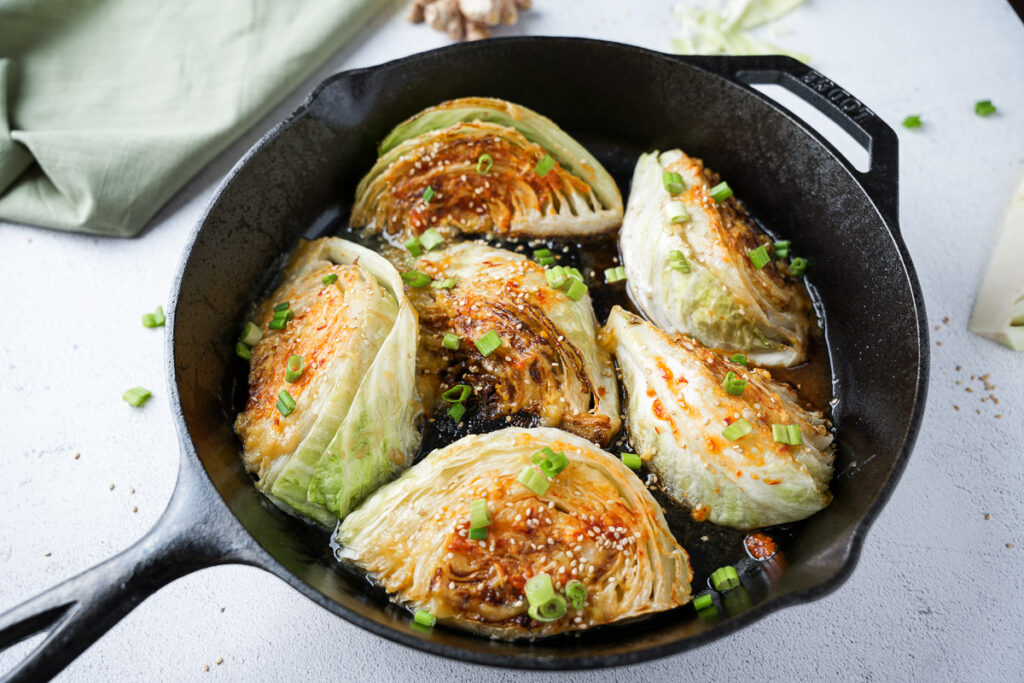
I don't think cabbage gets nearly enough credit, but when I cook it this way, it easily becomes one of the most satisfying things on the table. These Pan-Seared Cabbage Wedges show how a humble head of cabbage can be transformed into a deeply flavorful, almost steak-like side dish in about 20 minutes.
I choose beef tallow here because it delivers the kind of rich, even caramelization that butter or olive oil simply can't match. The high heat creates deeply caramelized edges while keeping the centers tender and naturally sweet, giving the cabbage real presence on the plate rather than feeling like an afterthought.
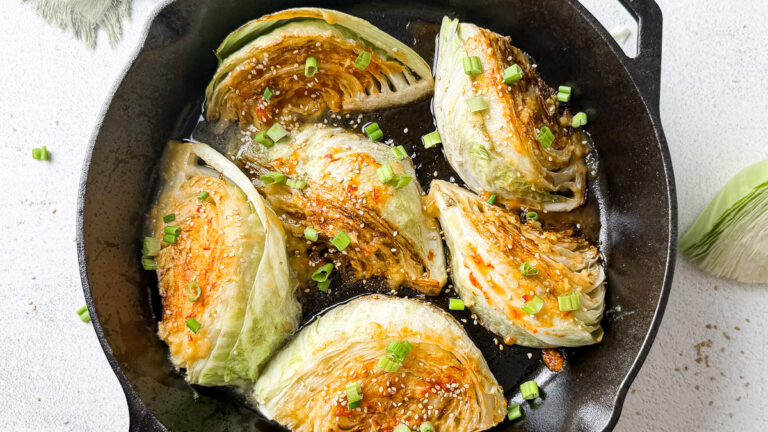
To finish, I brush the hot wedges with a simple miso-honey glaze. The salty umami of the miso balances the cabbage's sweetness, while the honey adds depth and shine without overwhelming the dish. For me, this is the definition of efficient comfort food: straightforward technique, thoughtful ingredients, and bold flavor that feels special without being complicated.
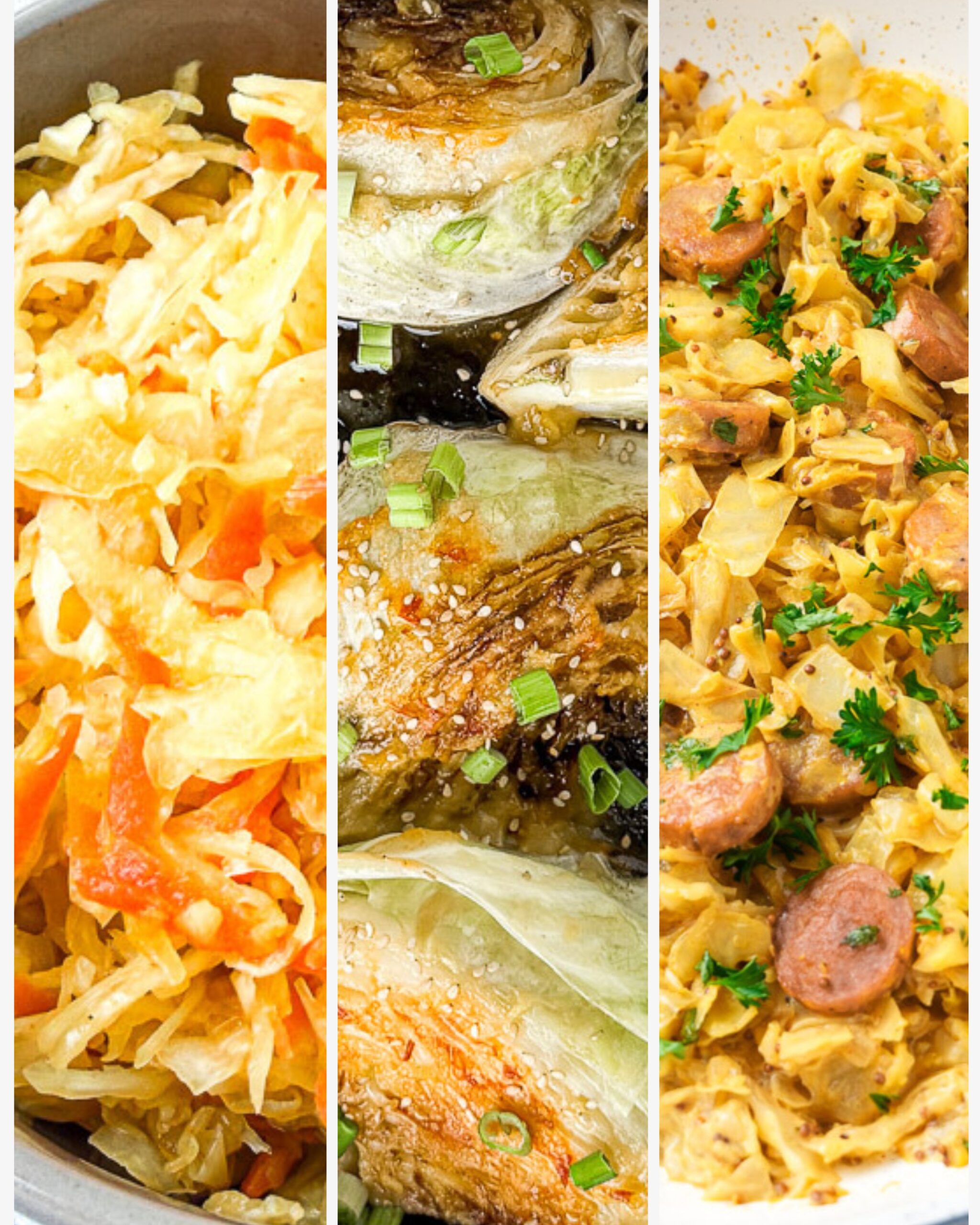
If you're looking for more cabbage recipes, try my Creamy Cabbage Alfredo With Chicken Thighs recipe, or my Easy Stuffed Cabbage Soup, another favorite in our home!
Watch How to Make Pan-Seared Cabbage Wedges
Table of Contents
- Why You'll Love These Pan-Seared Cabbage Wedges
- The Power of Beef Tallow for Perfectly Caramelized Cabbage
- Ingredients You'll Need
- How to Make Pan-Seared Cabbage Wedges
- Why Cabbage Turns Soggy (and How to Prevent it)
- Expert Tips for the Perfect Sear
- Variations & Substitutions
- What to Serve with Pan-Seared Cabbage Wedges
- Storage & Reheating Tips
- Frequently Asked Questions
- Printable Recipe Card
Why You'll Love These Pan-Seared Cabbage Wedges
This is one of those recipes that shows just how much flavor you can get from simple ingredients when you use the right technique. By focusing on high heat, a traditional cooking fat, and a well-balanced glaze, these cabbage wedges deliver a depth of flavor that goes far beyond what you'd expect from a basic vegetable side. If you've ever found cabbage boring or soggy, this approach will completely change the way you cook it.
- Turns humble cabbage into a true centerpiece. High-heat searing transforms the texture, creating golden-brown edges with a tender, almost melt-in-your-mouth center.
- Beef tallow delivers great quality browning. Tallow's high smoke point makes it ideal for achieving a rich, golden crust that butter or olive oil simply can't match.
- Perfectly balanced savory-sweet flavor. The salty umami of miso paired with the gentle sweetness of honey creates a sophisticated finish that clings to the hot cabbage without feeling heavy or fussy.
- Fast enough for weeknights, impressive enough for guests. This dish comes together in about 20 minutes, making it practical for busy evenings while still feeling special on the plate.
- Hearty and versatile. These wedges are substantial enough to serve as a vegetarian centerpiece or as a rich, satisfying side alongside protein-forward meals.
- Low effort, high payoff. No complicated steps or specialty tools - just thoughtful cooking that delivers great flavor with minimal cleanup.

The Power of Beef Tallow for Perfectly Caramelized Cabbage
Getting cabbage to sear properly-without it turning soggy or bitter-comes down to your cooking fat. I use beef tallow for three specific reasons:
- It Sears, It Doesn't Steam: Cabbage is full of moisture. Tallow's high smoke point allows the pan to stay hot enough to evaporate that water instantly, giving you a well-seared, golden crust instead of limp, steamed leaves.
- Superior Stability: Unlike butter (which burns) or olive oil (which can turn sharp at high heat), tallow stays stable. This allows you to get a deep, savory char that highlights the cabbage's natural sweetness.
- A "Meaty" Richness: It adds a subtle depth that makes a vegetable side dish feel like a hearty, satisfying meal.
The Bottom Line: If you've struggled to get vegetables truly richly browned, tallow is your game-changer. It provides the control you need for high-heat cooking with a fraction of the fuss.
Ingredients You'll Need

You only need a few pantry staples and a fresh head of cabbage to create this deeply flavorful dish.
For the Sear
- Green Cabbage: One medium head.
Pro-tip: Leave the core intact when cutting into wedges so they don't fall apart in the pan! - Beef Tallow: Our high-smoke-point hero. It's essential for achieving that golden sear without the fat smoking or burning.
For the Savory-Sweet Miso-Honey Glaze
- White Miso Paste: Provides a mild, salty umami base.
- Honey: Adds sweetness and helps the glaze caramelize and "cling" to the charred cabbage.
- Rice Vinegar: Adds much-needed acidity to brighten the glaze and cut through the richness of the tallow.
- Chili Garlic Sauce or Sriracha: Provides spiciness. Adjust this to your preferred heat level!
- Fresh Ginger: Adds a bright, warming depth.
- Garlic Powder: I prefer garlic powder here because it dissolves perfectly into the glaze and won't burn or turn bitter during the searing process.
For Finishing
- Toasted Sesame Seeds: For a light crunch and nutty finish.
- Green Onions: Sliced thin for a pop of fresh color and a mild bite.
How to Make Pan-Seared Cabbage Wedges
This entire process takes about 20 minutes. My goal is to get that perfect, steak-like sear in the tallow before the miso-honey glaze even touches the pan.
Step 1. Prep the Cabbage Wedges
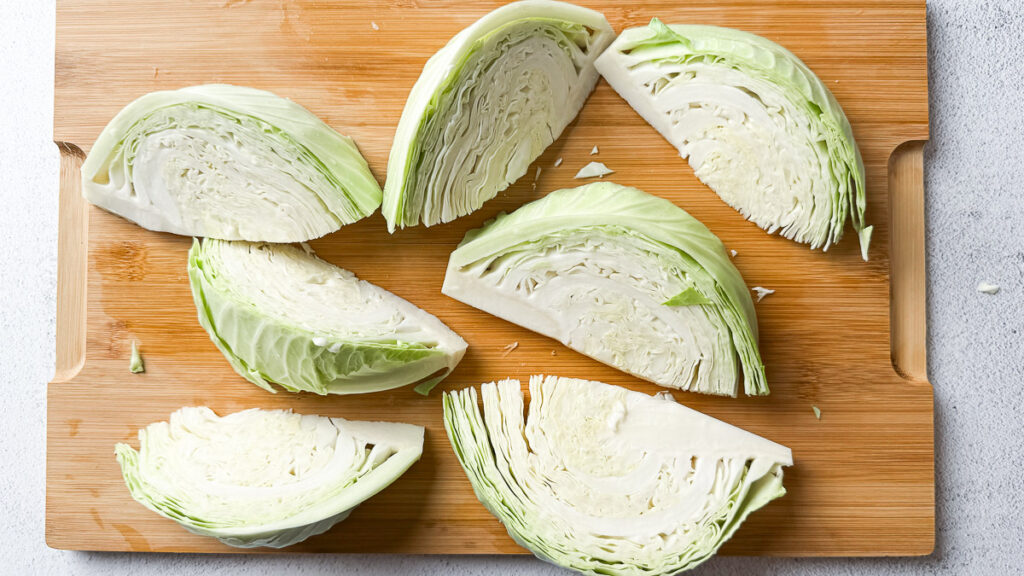
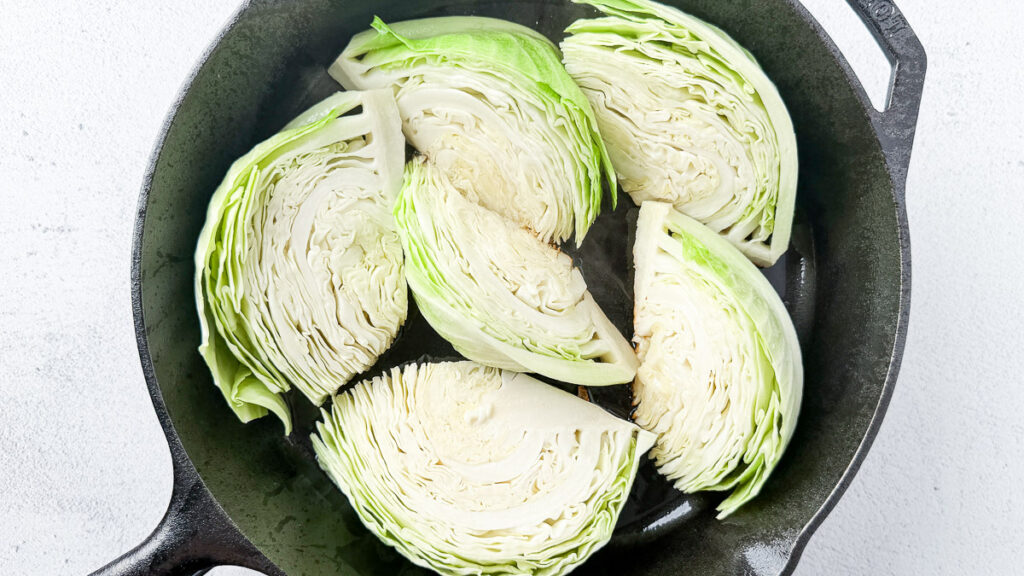
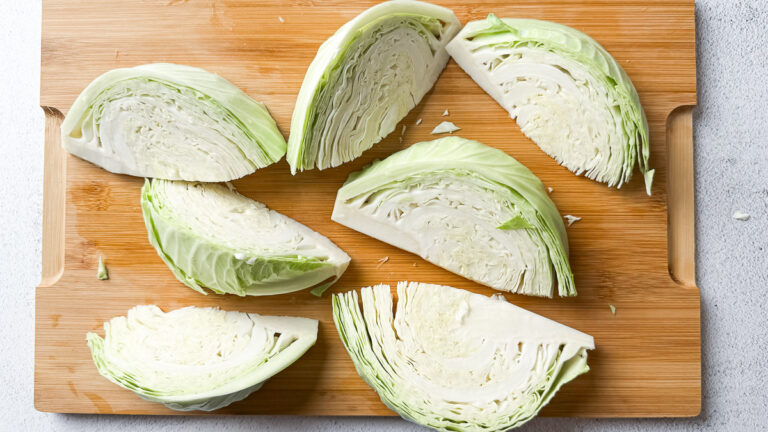
First, I remove any loose or damaged outer leaves from the cabbage. I cut the head in half through the stem, then cut each half into 3 or 4 thick wedges.
Important Tip: I make sure to leave a portion of the core intact on every wedge. This keeps together the leaves from falling apart while they sizzle in the pan.
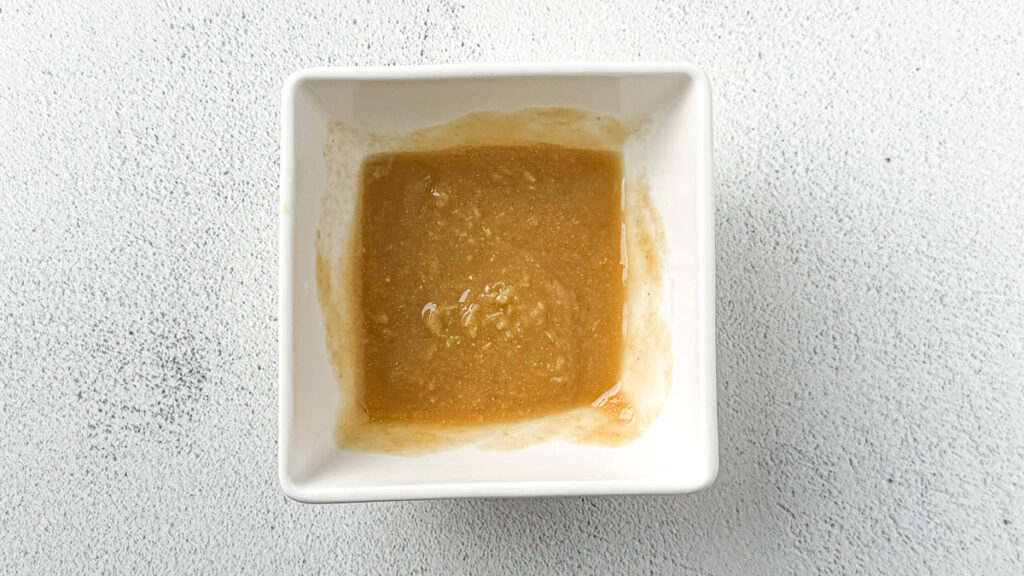
Step 2. Whisk the Miso-Honey Glaze
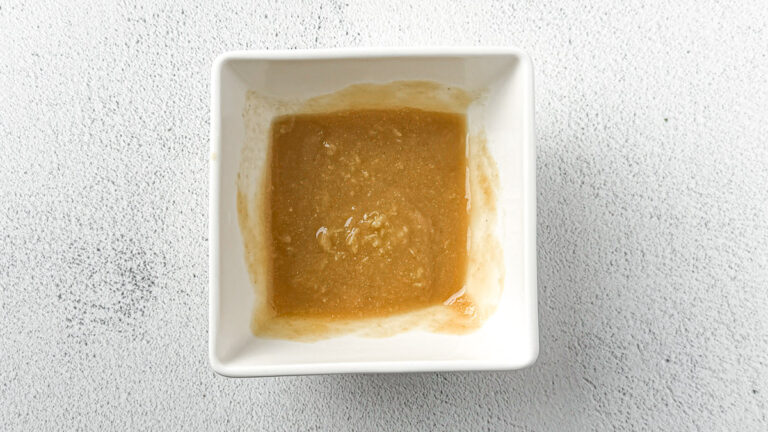
In a small bowl, I whisk together the white miso, honey, rice vinegar, ginger, and garlic powder. If the miso is a bit firm, I'll add a teaspoon of warm water to help it reach a smooth, pourable consistency. You can also add the chili garlic sauce here or separate at the end.
Step 3. Sizzle in Beef Tallow
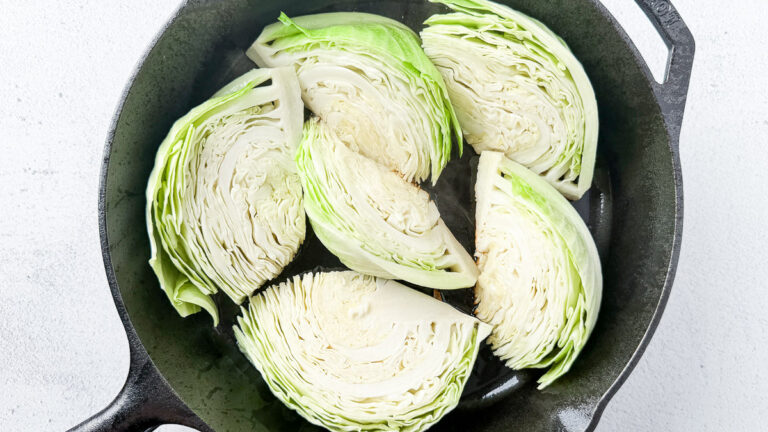
I heat a large cast-iron skillet or heavy-bottomed pan over medium-high heat and add the beef tallow. Once the tallow is shimmering and hot, I carefully place the cabbage wedges in the pan (you may need to work in batches).
I let them sear undisturbed for 4-5 minutes per side. I'm looking for a deep, golden-brown crust.
Step 4. Glaze and Caramelize
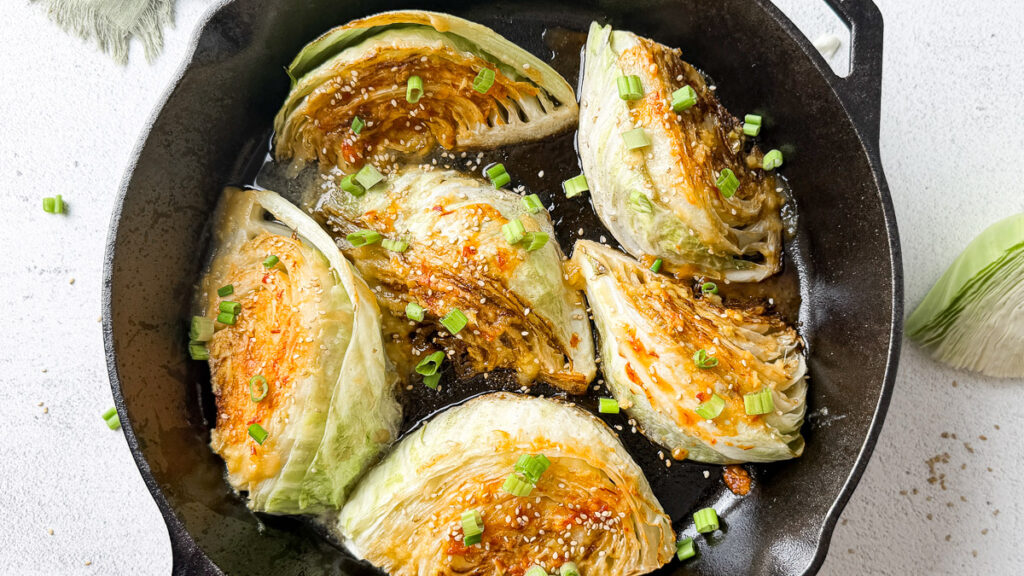
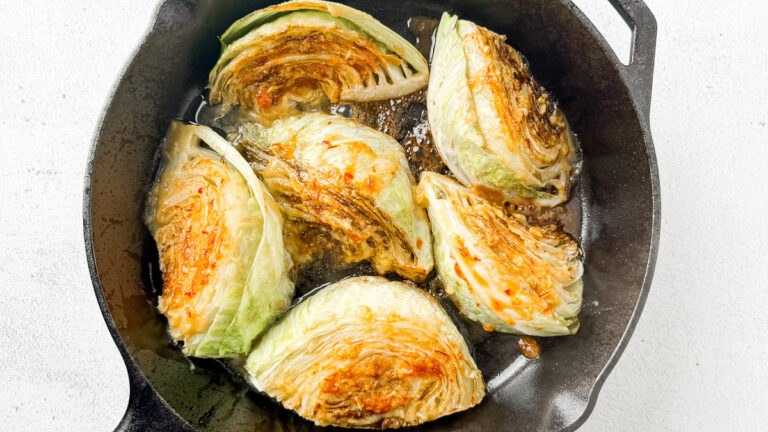
Once the cabbage is tender and beautifully charred, I turn the heat down to low. I pour the miso-honey glaze directly over the wedges and use a spoon to gently coat each piece.
I let it simmer for just 1-2 minutes. You want the glaze to thicken and cling to the cabbage wedges, but be careful not to let the honey burn.
I then coat each cabbage wedge with chili garlic sauce (which is completely optional) and let is simmer for about one more minute.

Step 5. Garnish and Serve
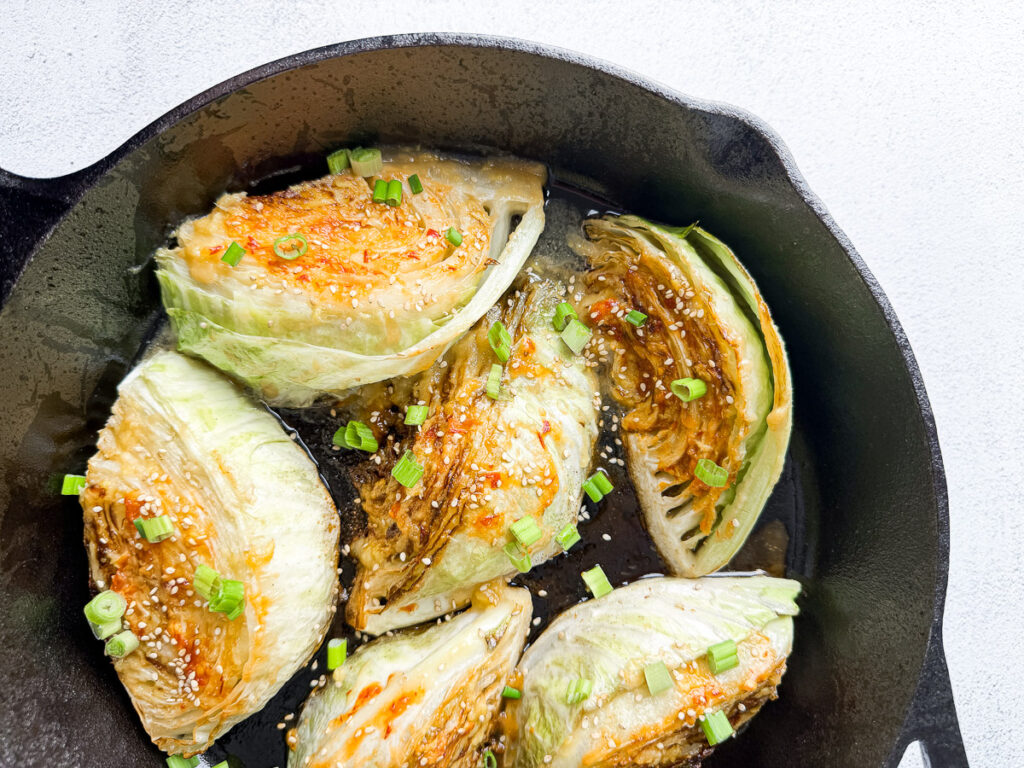
I pull the pan off the heat and finish the wedges with a generous sprinkle of toasted sesame seeds and sliced green onions. I like to serve these immediately while dish is still hot.
Why Cabbage Turns Soggy (and How to Prevent it)
If you've ever tried to sear cabbage only to end up with limp, gray, or watery wedges, I promise you're not alone. Because cabbage is roughly 90% water, getting it properly seared comes down to managing that moisture before it takes over the pan.
In my kitchen, after learning it the hard way, I've found that soggy cabbage usually boils down to these three common mistakes:
- The Pan Isn't Hot Enough: If the skillet hasn't fully heated before the cabbage hits the fat, the cabbage will release its internal moisture before the exterior has a chance to brown. Instead of searing, it ends up boiling in its own liquid.
- The Skillet is Overcrowded: Steam needs space to escape. When wedges are packed too tightly together, that moisture gets trapped between the leaves, creating a soft, "steamed" texture rather than those caramelized edges we're looking for.
- The Cabbage is Flipped Too Early: Cabbage needs time to develop a structural crust. Flipping too soon interrupts the browning process, allowing moisture to dominate and preventing the surface from properly caramelizing.
Once you control these three factors-heat, spacing, and timing-the cabbage reliably turns golden every time, making it the perfect base for that miso-honey glaze.
Expert Tips for the Perfect Sear
While avoiding moisture is the first step, these specific kitchen techniques are what I use to ensure every wedge looks and tastes amazing.
- The Core is Your Structural Glue: When I prep the cabbage, I'm careful to leave a piece of the stem core attached to every single wedge. This keeps the leaves from fanning out or separating in the pan, allowing you to flip them easily without the wedge falling apart.
- Maximize Surface Contact: I always place the cabbage into the tallow flat-side down first. You want as much of that cabbage surface touching the hot pan as possible to build a thick, savory crust before you even think about the other side.
- Use Heavy-Duty Cookware: For this recipe, I highly recommend a cast-iron skillet or a heavy stainless steel pan. These materials hold onto heat much better than thin non-stick pans, which is vital for keeping that tallow at a consistent, searing temperature.
- Batch Cook for Better Results: If your pan isn't large enough to give the wedges 2 inches of space, I suggest cooking in two batches. I simply add a little extra tallow between rounds to ensure the second batch gets just as golden-brown as the first.
- The "Off-Heat" Glaze Technique: Because honey and miso contain high amounts of natural sugars, they can scorch in seconds. I actually prefer to turn the heat down or off before pouring the glaze in. The residual heat from the pan and the cabbage is more than enough to thicken the glaze into a beautiful, glossy lacquer.
- The Final Rest: Once I pull the pan off the heat, I let the wedges sit for about 60 seconds. This allows the fibers in the cabbage to relax slightly and the glaze to really grip the charred edges so it doesn't just run off onto the plate.
Variations & Substitutions
I designed this recipe to deliver the best possible results with beef tallow and a miso-honey glaze, but I know that sometimes you have to work with what's already in your pantry. Here is how I suggest adapting the dish depending on that.
Swap the Cooking Fat
- Ghee or Clarified Butter: This is my top alternative if I'm out of beef tallow. Ghee has a high smoke point and still produces a beautiful brown crust, though the flavor is slightly more nutty and less savory than tallow.
- Avocado Oil: This is your best plant-based choice. It handles high heat perfectly, ensuring the cabbage sears rather than steams, though you will lose the specific richness of the animal fat.
A Quick Note: I recommend avoiding regular butter or extra-virgin olive oil for the initial sear. They simply can't handle the heat required for this recipe and will likely burn before the cabbage is done.
Change Up the Glaze
- The Savory-Sweet Maple Swap: If you don't have honey, maple syrup is an excellent 1:1 replacement. It provides a deeper, woodsy sweetness that pairs beautifully with the miso.
- Miso Alternatives: White miso is my go-to for its balanced, mild flavor. If you only have yellow miso, feel free to use it for a stronger umami hit.
Pro-tip: I'd avoid red miso here, as it tends to be too salty and can easily overpower the cabbage. - Adjust the Heat: If you prefer a milder side dish, you can omit the chili garlic sauce or sriracha entirely. The glaze will still be deeply savory and delicious.
Make It Fully Plant-Based
To make these wedges vegan-friendly:
1. Replace the tallow with avocado oil or refined coconut oil (which adds a nice richness).
2. Swap the honey for maple syrup or agave nectar. The cabbage will still get those beatufully browned edges as long as your pan is hot!
Add Extra Flavor or Texture
- Brighten It Up: I love adding a squeeze of fresh lime or lemon juice right before serving to cut through the richness of the tallow.
- Add a Crunch: Top the finished wedges with crushed toasted peanuts or almonds for an extra layer of texture.
- The Final Touch: A tiny sprinkle of flaky sea salt at the very end makes those caramelized edges truly pop.

What to Serve with Pan-Seared Cabbage Wedges
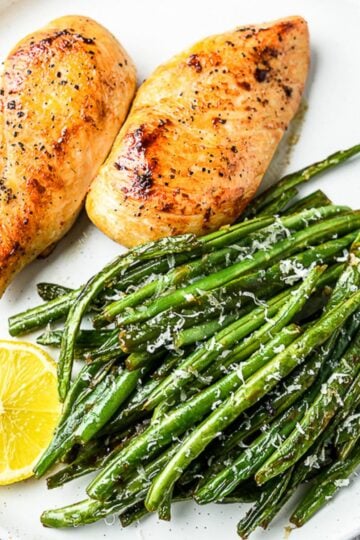
These pan-seared cabbage wedges are bold, salty, and sweet, so I like to pair them with simple, savory proteins that let the cabbage be the star of the show.
- Hearty Meats: Pan-seared steak, thick-cut pork chops, or a simple roasted chicken. The richness of the beef tallow in the cabbage is the perfect partner for a seared protein.
- Seafood: Miso-glazed salmon or garlic butter shrimp. Seafood naturally highlights the sweet and savory notes in the glaze.
- Neutral Grains: Steamed jasmine rice or quinoa. These are essential for soaking up every drop of that caramelized miso-honey sauce.
- Creamy Bases: Mashed potatoes or polenta. The soft, creamy texture offers a beautiful contrast to the crispy, charred edges of the cabbage.
My #1 Tip: Always add something bright, like a squeeze of fresh lime or a side of pickled cucumbers. The acidity cuts through the richness of the tallow and balances the entire plate.
Looking for more delicious dinner ideas? Try my Easy Shrimp and Rice Casserole or my Honey Garlic Chicken Thighs recipes.
Storage & Reheating
While these pan-seared cabbage wedges are best served fresh and sizzling, they do make for a delicious meal-prep option if you follow a few simple rules.
Storage
Store leftovers in an airtight container in the refrigerator for up to 3-4 days.
Reheating
- The Golden Rule: Skip the microwave. Reheating cabbage in the microwave will trap steam and turn your crispy wedges into a soggy, soft mess.
- The Best Method (Skillet): To restore that golden crust, I place the wedges in a dry skillet over medium heat for about 2-3 minutes per side. The residual tallow in the cabbage is usually enough to re-sear the edges, but you can add a tiny drop of fresh tallow if needed.
- The Air Fryer Method: This is my favorite way to get them crispy again fast. Pop the wedges into the air fryer at 350°F (180°C) for 4-5 minutes. This circulates hot air around the leaves, drying out any moisture that settled during storage.
Freezing
I don't recommend freezing these pan-seared cabbage wedges if you want to maintain that signature texture. Because cabbage has such a high water content, the freezing and thawing process destroys the cell structure of the leaves. When you reheat them, they will release all that moisture, turning your beautifully charred wedges into a soft, watery mess.
Frequently Asked Questions
What is the best type of cabbage for searing?
Can I use red cabbage instead?
Is this recipe Keto-friendly?
Do I have to use white miso?
Can I make this in an air fryer?
Why did my cabbage fall apart in the pan?

Pan-Seared Cabbage Wedges with Miso-Honey Glaze

Equipment
- Grater
Ingredients
For The Sizzle
- 1 Head of Green Cabbage (cut into 6-8 wedges; keep the core intact so they stay together)
- 3-4 tablespoon Beef Tallow
For Miso-Honey Glaze
- 2 tablespoon White Miso Paste
- 2 tablespoon Honey
- 1 tablespoon Rice Vinegar
- 1 teaspoon Fresh Ginger (finely grated)
- ½ teaspoon Garlic powder
- 1 teaspoon Chili Garlic Sauce or Sriracha (optional)
Finishing Touches
- Sesame seeds (for garnish)
- Green Onions (for garnish)
Instructions
- Prep the Cabbage Wedges: Remove any loose or damaged outer leaves from the cabbage. Cut the head in half through the stem, then cut each half into 3 or 4 thick wedges.

- Whisk the Miso-Honey Glaze: In a small bowl, whisk together the white miso, honey, rice vinegar, ginger, and garlic powder. If the miso is a bit firm, add a teaspoon of warm water to help it reach a smooth consistency. You can also add the chili garlic sauce here or separate at the end.
- Sizzle in Beef Tallow: Heat a large cast-iron skillet or heavy-bottomed pan over medium-high heat and add the beef tallow. Once the tallow is shimmering and hot, place the cabbage wedges in the pan (you may need to work in batches).Let them sear undisturbed for 4-5 minutes per side until a deep, golden-brown crust is achieved.
- Glaze and Caramelize: Once the cabbage is tender and beautifully charred, turn the heat down to low. Pour the miso-honey glaze directly over the wedges and use a spoon to gently coat each piece.Let it simmer for just 1-2 minutes. The glaze needs to thicken and cling to those browned edges, but be careful not to let the honey burn. Coat each cabbage wedge with chili garlic sauce (which is completely optional) and let is simmer for about one more minute.
- Garnish and Serve: Pull the pan off the heat and finish the wedges with a generous sprinkle of toasted sesame seeds and diced green onions and serve.
Notes
- Preventing Burn: Because honey and miso contain natural sugars, they can burn quickly at high heat. Only apply the glaze during the last 5 minutes of roasting to get a beautiful caramelization without any bitterness.
- Quality Fats: If you don't have beef tallow on hand, you can use ghee or duck fat, though tallow provides the most neutral, high-heat crisp.
- Salt Control: Miso is naturally salty, so go light on the initial seasoning of the cabbage wedges. You can always finish with a sprinkle of flaky sea salt after tasting.