
Easy Stuffed Cabbage Soup (1-Pot Deconstructed Golumpki)
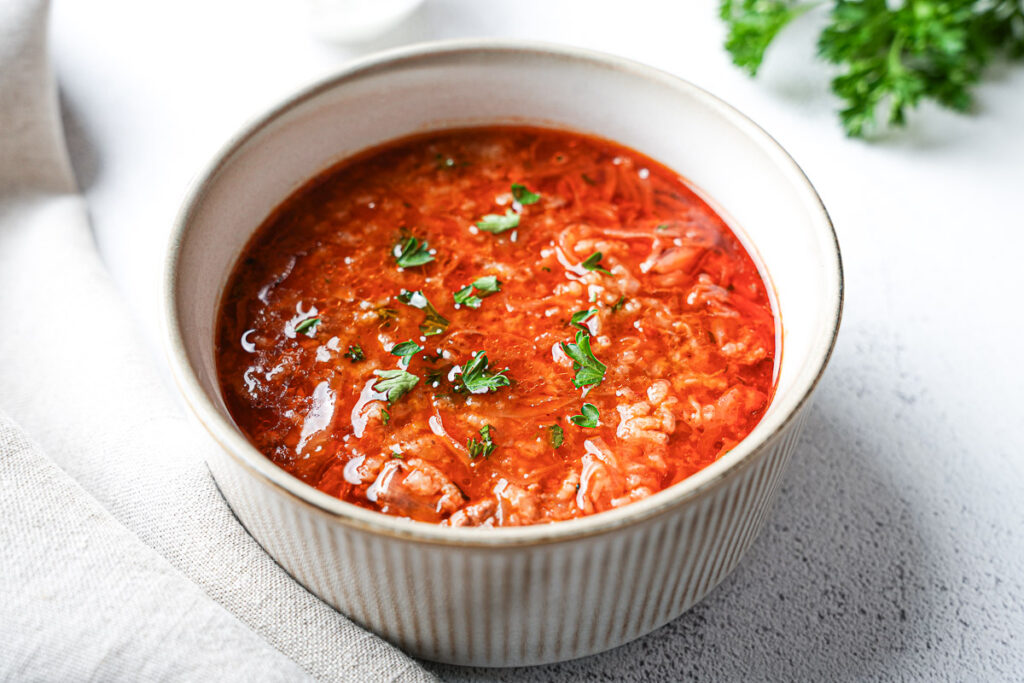
This easy stuffed cabbage soup gives you all the flavors of traditional Polish Golumpki in just one pot.
I love the flavors of traditional golumpki, but on busy days I don't always want to spend the time rolling and baking individual cabbage rolls. That's exactly why I make this deconstructed golumpki soup. It has everything I love about stuffed cabbage - tender cabbage, savory ground meat, tomatoes, and rice - simmered together into one comforting, no-fuss soup.
Cabbage is one of those ingredients that really shines when it's cooked simply and allowed to develop flavor. I use it often, whether it's in this hearty soup, my Pan-Seared Cabbage Wedges, or something richer like my Creamy Cabbage Alfredo. Each recipe highlights how versatile and satisfying cabbage can be without a lot of extra work.
This soup is my go-to when I'm craving the comfort of cabbage rolls but want something easier and more practical for a weeknight. It's familiar, cozy, and exactly the kind of meal that makes a simple pot of soup feel special.
Watch How to Make Easy Stuffed Cabbage Soup
Table of Contents
- Why You'll Love this Stuffed Cabbage Soup
- What is Golumpki (And Why This Soup Works)
- Ingredients for Deconstructed Golumpki Soup
- How to Make Stuffed Cabbage Soup
- Expert Tips for the Best Stuffed Cabbage Soup
- Variations and Substitutions
- Storage, Freezing, and Reheating
- Frequently Asked Questions
- Printable Stuffed Cabbage Soup Recipe Card
Why You'll Love this Stuffed Cabbage Soup
This is why this soup is a permanent part of my recipes rotation:
- It's the ultimate shortcut. We all love traditional golumpki, but let's be real-trying to steam a whole head of cabbage just to peel off individual leaves without them tearing is a time consuming. This soup gives you that exact same flavor without the hour of rolling and the mess that comes with it.
- The one-pot factor. On a Tuesday night, the last thing I want to do is a mountain of dishes. This is high-efficiency at its best: you brown the meat, sauté the veggies, and cook the rice all in the same pot. One lid, one spoon, and you're done.
- That "cooked-all-day" flavor. Even though it's fast, sautéing the cabbage in beef tallow makes the base taste incredibly rich. It develops a caramelized sweetness you just don't get if you simply boil everything. It tastes like it's been simmering in the oven for three hours, but it only takes 30 minutes on the stove.
- It's actually a full-blown meal. I always worry that "cabbage soup" is going to leave me looking for a snack an hour later. But with the beef and the rice, this is genuinely filling. It's cozy, satisfying, and you don't need to worry about making three different side dishes to call it dinner.
- The leftovers are arguably better. If you have any left the next day, the flavors have really had time to settle and the rice absorbs more of that tomato broth. It gets thicker, almost like a stovetop stew. It's the kind of lunch you actually look forward to reheating.
- It's cheap. Let's call it what it is-cabbage and ground beef are affordable. In a time when grocery bills are skyrocketing, it's nice to have a recipe that feels like a "treat" but actually costs very little to put together.
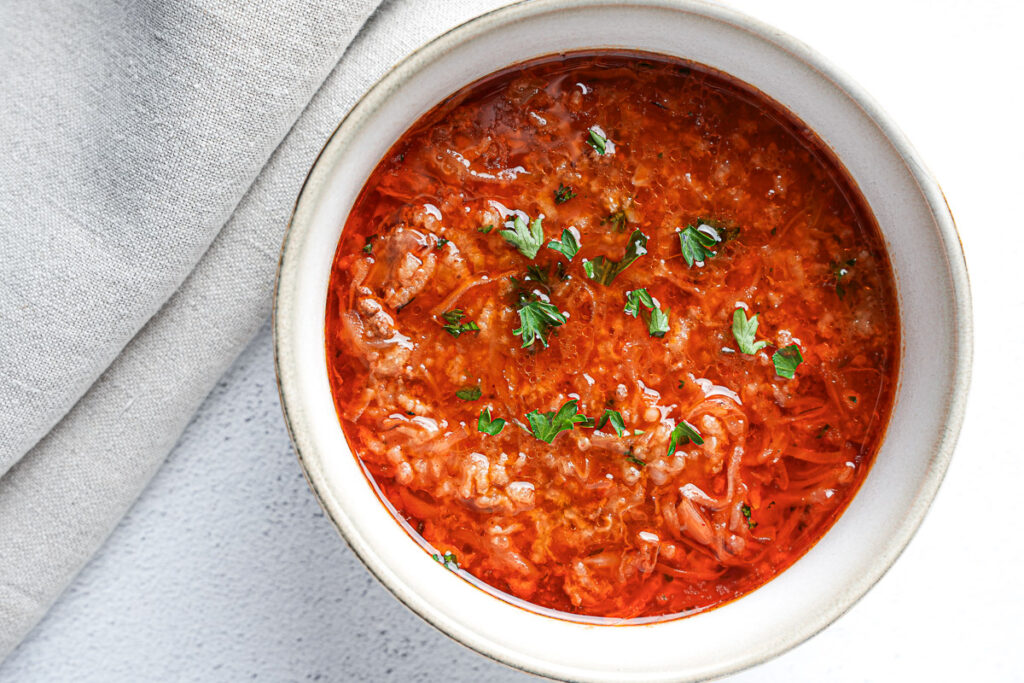
What is Golumpki (And Why This Soup Works)
Traditional Polish golumpki, or stuffed cabbage rolls, are a true labor of love. You usually spend an entire afternoon softening a whole head of cabbage, carefully rolling seasoned meat and rice into individual leaves, and then letting everything bake slowly in a tomato-rich sauce. It's classic comfort food, but let's be honest - it's not exactly a Tuesday night project.
That's where this soup comes in. It keeps those same familiar flavors while stripping away the most time-consuming parts. Instead of rolling and layering, everything simply simmers together in one pot. The essentials are all still here: savory beef, tender cabbage, and a rich tomato base that ties it all together.
This works so well not because it replaces a cherished family recipe, but because it makes those comforting flavors far more practical. You still get that "hug in a bowl" feeling - just in a fraction of the time and with a lot less cleanup, which makes it perfect for busy weeknights.
Ingredients for Deconstructed Golumpki Soup
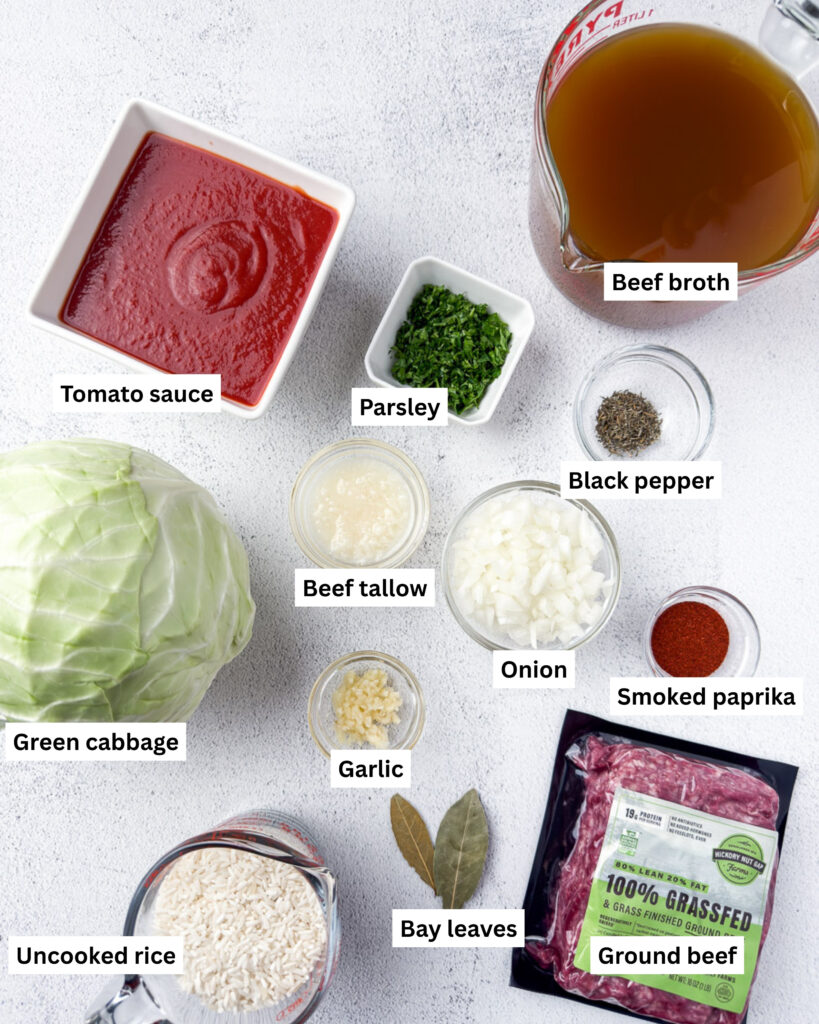
This soup relies on simple, pantry-style ingredients, but it's the way they're layered that builds such deep, comforting flavor. Here's everything you'll need to get it on the table.
- Ground Beef (1 lb): I usually reach for an 80/20 or 85/15 ground beef. It adds plenty of richness without making the soup feel heavy or greasy.
- Beef Tallow (2 tablespoons): This is my go-to fat for sautéing the cabbage. It handles higher heat beautifully and adds a savory depth you just don't get from oil or butter. If you like the beef-tallow-cabbage combination, try my Pan-Seared Cabbage Wedges with Beef Tallow recipe our family loves.
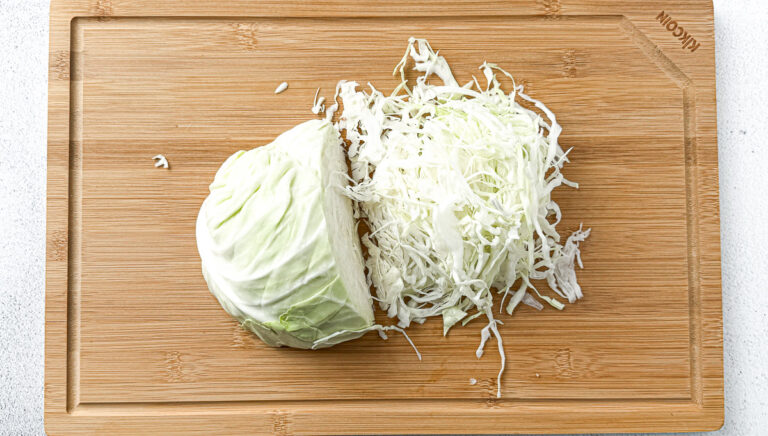
- Green Cabbage (1 medium): Chop the cabbage into thin pieces. There's no need to be precise here - this is a deconstructed soup, after all.
- Onion and Garlic (1 large onion, 3 cloves garlic): The foundation of the soup. I like to dice the onion fairly small so it melts right into the broth as it cooks.
- Tomato Sauce (1 large can): I prefer tomato sauce over crushed tomatoes for this recipe. It creates a smoother, more cohesive broth that coats the rice evenly as it simmers.
- Beef Broth (8 cups): This gives the rice plenty of liquid to absorb while still keeping the soup nicely balanced and not too thick. You can also do half water if you want a lighter version. I tried making this with beef bone broth but I felt like the soup ended out too heavy so I don't recommend using this.
- Long-Grain White Rice (1 cup, uncooked): The rice cooks directly in the broth, soaking up all those beefy, tomato-rich flavors as the soup simmers.
- Fresh Parsley (about ¼ cup, chopped): I sauté half of it with the meat to bring out its flavor, then save the rest for a fresh finish right before serving.
- Seasonings: A simple blend of smoked paprika, dried thyme, bay leaves, salt, and black pepper. The smoked paprika adds just a hint of depth that pairs especially well with the cabbage.
How to Make Stuffed Cabbage Soup
This soup is all about building flavor in layers, all in one pot. Here's how I make it.
Step 1. Prep the ingredients
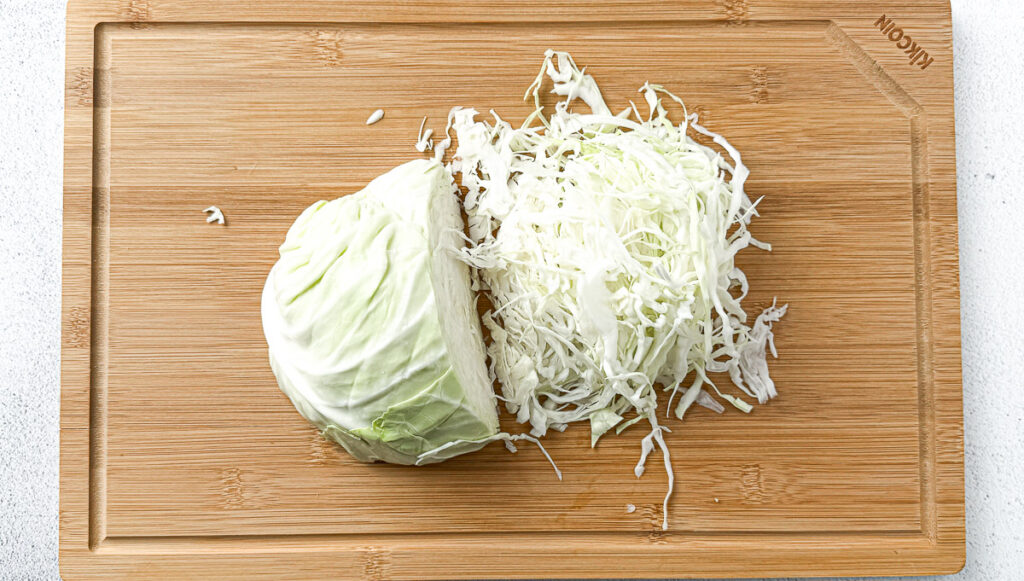
Cut or shred the cabbage into thin pieces. You can also use thicker pieces if you'd like. Dice the onion into small cubes. Chop the parsley into small pieces. Set all aside.
Step 2. Brown the beef
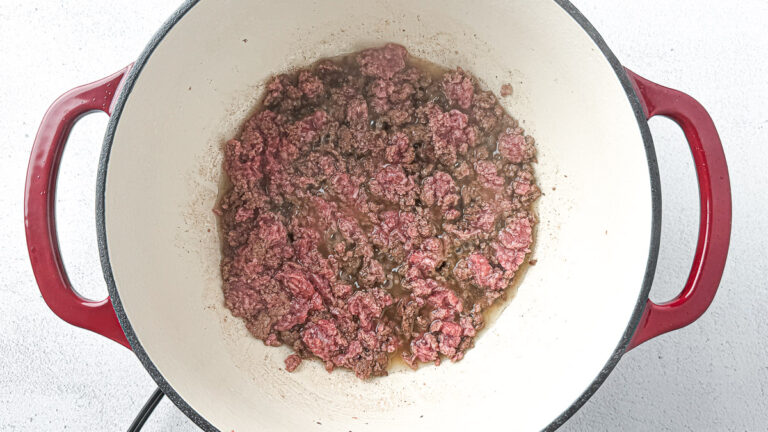
Melt the beef tallow in a large Dutch oven or heavy-bottomed pot over medium-high heat. Add the ground beef and break it up with a wooden spoon. You're not just cooking it through - let it really brown and develop some crispy edges. That deep browning is where a lot of the flavor comes from.

Step 3. Sauté the cabbage and onion
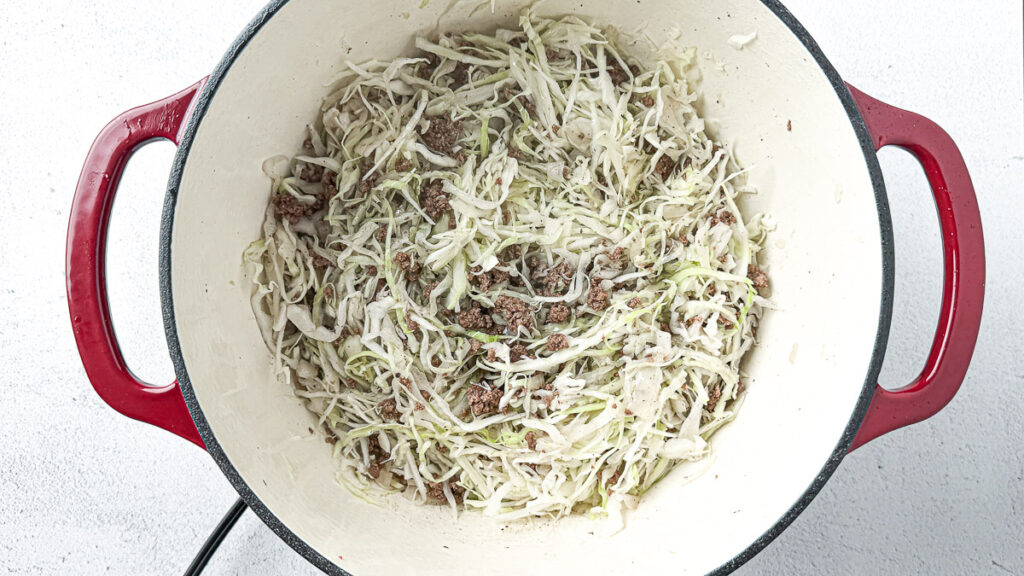
Once the beef is nicely browned, add the diced onion and chopped cabbage. This is where everything starts to come together. As the cabbage wilts, it soaks up all that savory flavor from the beef and tallow. Sauté for about 6 to 8 minutes, until the cabbage softens and picks up a bit of color around the edges.
Step 4. Add the aromatics and herbs
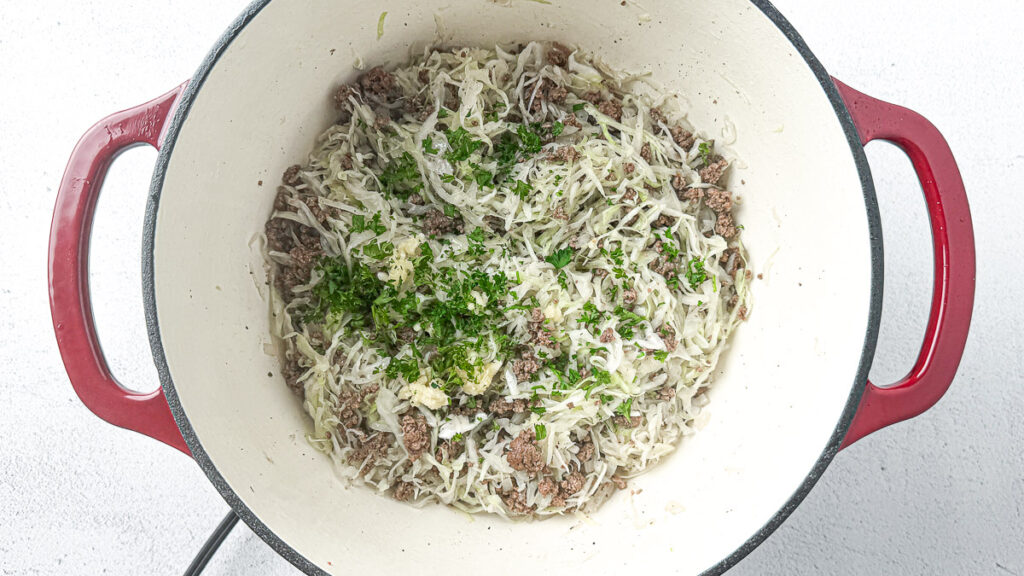
Stir in the garlic along with about half of the chopped parsley. Let everything cook for about 30 seconds. Sautéing the parsley briefly helps bring out its flavor and adds another layer of aroma to the soup.
Step 5. Build the broth
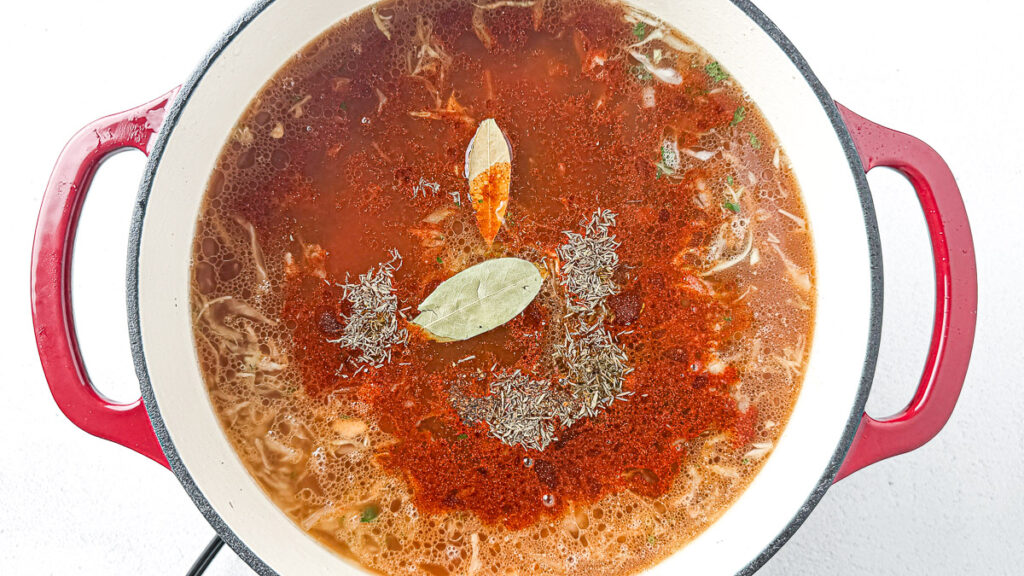
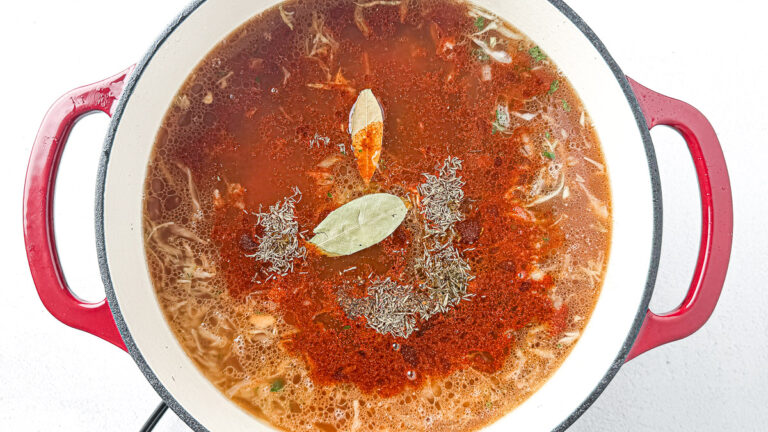
Pour in the tomato sauce and beef broth, then use your spoon to scrape up any browned bits from the bottom of the pot. Stir in the smoked paprika, thyme, bay leaves, salt, and pepper until everything is well combined.
Step 6. Add the rice
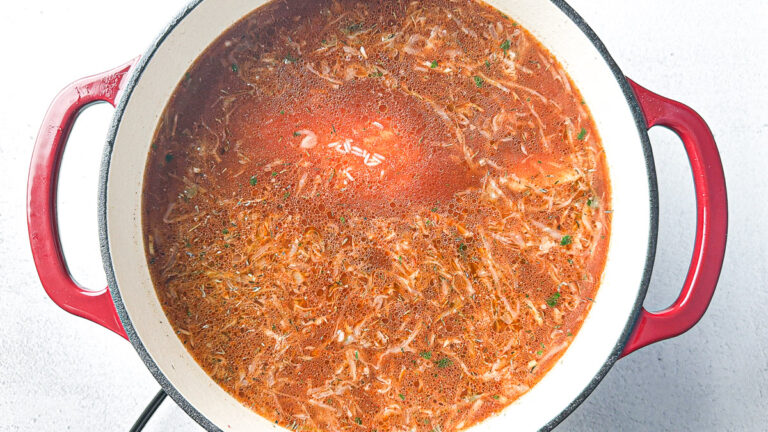
Stir in the uncooked rice, making sure it's fully submerged in the liquid so it cooks evenly. Bring the soup to a gentle boil.
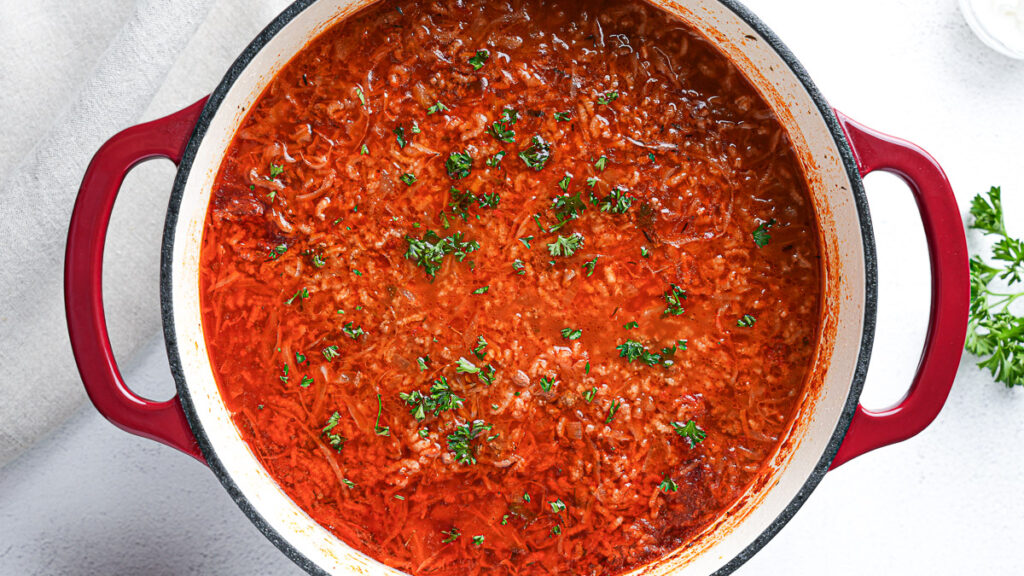
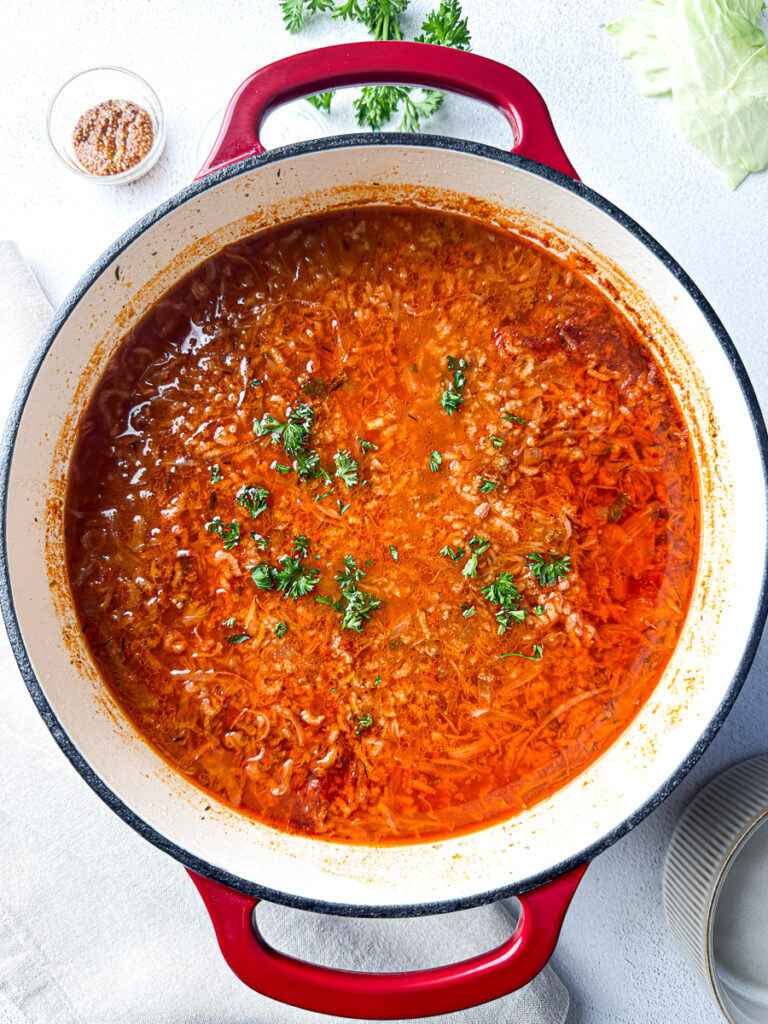
Reduce the heat to low, cover the pot, and let the soup simmer for 25 to 30 minutes. The soup is ready when the rice is tender and the cabbage is perfectly soft. If you prefer a thinner soup, you can add a splash of extra broth at the end.

Step 7. Finish and serve
Remove the bay leaves and stir in the remaining parsley. Taste and adjust the seasoning if needed, then ladle the soup into bowls and serve hot.
Expert Tips for the Best Stuffed Cabbage Soup
These are the tips I keep in mind every time I make this delicious stuffed cabbage soup:
- Listen for the sizzle: When you add the cabbage to the hot beef tallow and browned beef, you should hear a clear sizzle. That sound tells you the pan is hot enough to start building flavor. Don't rush this step - letting the cabbage sauté for a few extra minutes creates a subtle caramelized sweetness that mimics the depth of traditional cabbage rolls baked for hours.
- Rinse your rice (or don't): I usually rinse the rice very lightly for this soup. The extra starch helps slightly thicken the broth, giving it more of that "stuffed" cabbage roll feel. If you prefer a lighter, clearer broth, a quick rinse before adding the rice works just fine.
- Don't overcook the cabbage: The goal is tender, not mushy. Once the rice is cooked, the cabbage is typically right where it should be. Keep in mind that leftovers will soften more as they sit, especially after reheating.
- Salt as you go: Cabbage tends to absorb salt as it cooks, so seasoning in stages makes a big difference. Add a pinch during the sauté, then taste again at the end and adjust as needed to bring out the tomato and beef flavors.
- Expect a thicker soup the next day: This soup continues to thicken in the fridge as the rice absorbs more liquid. By the next day, it may resemble unstuffed cabbage rolls more than a brothy soup. A splash of broth or water when reheating brings it right back to the perfect consistency.

Variations and Substitutions
One of the things I love about this soup is how hard it is to mess up. It's incredibly forgiving, so if you're missing an ingredient or want to swap something out based on what's in your fridge, go for it. Here are a few ways you can make it your own:
Use a different ground meat
- Ground pork - very traditional and adds extra richness
- Ground turkey or chicken - makes the soup a bit lighter
If you go leaner, consider adding a little extra fat when browning the meat to keep the flavor balanced.
Swap the rice
Long-grain white rice works best, but you can substitute with:
- Jasmine or Basmati rice with similar results
- Brown rice can be used as well, but it will need a longer simmer and additional broth
- Cauliflower rice: if you're avoiding rice altogether, this can be stirred in at the end for a low-carb option
Adjust the tomato base
If you prefer a chunkier texture, crushed tomatoes can be used in place of tomato sauce. Keep in mind the broth will be a bit more rustic and slightly less smooth, but still very flavorful.
Add extra vegetables
Carrots or celery are easy additions if you want a heartier soup. Sauté them along with the onion so they soften properly and blend into the broth.
Make it spicier or smokier
- A pinch of red pepper flakes adds gentle heat
- An extra dash of smoked paprika deepens the flavor without overpowering the cabbage
Finish it differently
Some people enjoy a small dollop of sour cream or a sprinkle of fresh dill on top, especially if they're used to serving stuffed cabbage rolls with a creamy side.
Storage, Freezing and Reheating
This is one of those rare soups that actually tastes better the next day. It stores perfectly, so it's worth making a big batch for leftovers or meal prep later in the week.
Storing leftovers
Let the soup cool completely, then transfer it to an airtight container and store it in the refrigerator for up to four days. As it sits, the rice will continue to absorb liquid, so don't be surprised if the soup thickens by the next day.
Freezing the soup
You can freeze this soup, but it freezes best without the rice. Rice tends to become grainy after freezing and thawing. If you plan to freeze it, make the soup base as directed and leave the rice out. Once cooled, transfer the soup to freezer-safe containers and freeze for up to three months.
Reheating
When reheating from the fridge or freezer, expect the stuffed cabbage soup to be thicker than when it was first made. Warm it gently on the stovetop over medium-low heat, stirring occasionally, and add a splash of beef broth or water as needed to reach your preferred consistency. If reheating a frozen batch without rice, bring the soup to a simmer first, then add fresh rice and cook until tender.
Frequently Asked Questions
Can I use a different type of rice?
Can I make this stuffed cabbage soup in a slow cooker?
Can I freeze stuffed cabbage soup?
How should I store and reheat leftovers?
Can I use a different meat for this stuffed cabbage soup?
If you are looking for more quick and simple dinner ideas that are as delicious as they are easy to make, you might want to try these next:
- Chicken Bacon Ranch Pasta
- Honey Garlic Chicken Thighs
- Easy Ground Beef and Rice Casserole
- One-Pot Cajun Chicken Pasta
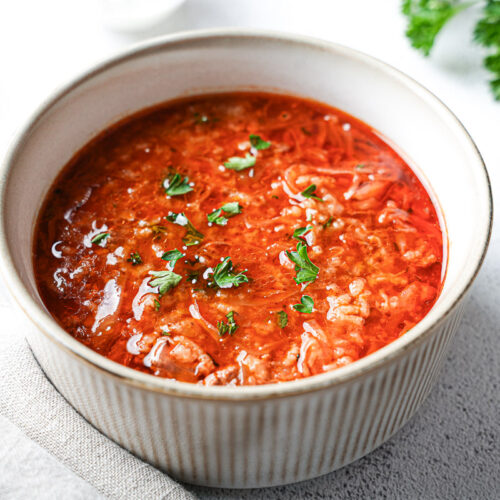
Deconstructed Golumpki Soup (Stuffed Cabbage Soup)

Equipment
- Large Dutch Oven or Heavy Pot (The heavy bottom is key for browning the meat without burning it)
- Wooden Spoon (Essential for scraping up the flavorful browned bits from the bottom)
- Chef's Knife and Cutting Board (For the cabbage, onion, and parsley)
- Can Opener (For the tomato sauce)
- Measuring cups and spoons
Ingredients
- 1 lb Ground Beef (80/20 or 85/15)
- 2 tablespoon Beef Tallow (for a lighter version use Avocado Oil)
- 1 Green Cabbage, medium
- 1 Onion, medium (diced)
- 3 Garlic cloves (minced)
- 1 can Tomato sauce (28 oz)
- 8 cups Beef broth (or half water for a lighter option)
- 1 cup Long-grain White Rice (uncooked)
- 2 teaspoon Smoked Paprika
- 1 teaspoon Dried Thyme
- 2 Bay Leaves
- 1 teaspoon Salt (or to taste)
- ½ teaspoon Black Pepper
- Parsley for garnish
Instructions
- Prep the ingredients. Cut or shred the cabbage into thin pieces. You can also use thicker pieces if you'd like. Dice the onion into small cubes. Chop the parsley into small pieces. Set all aside.

- Brown the Beef: Melt the beef tallow in a large Dutch oven over medium-high heat. Add the ground beef and cook until thoroughly browned.

- Sauté the Veggies: Add the onion and chopped cabbage to the pot. Sauté for 6-8 minutes, stirring occasionally, until the cabbage is wilted and starting to turn golden on the edges.
- Add Aromatics: Stir in the garlic and half of the parsley. Cook for 1 minute until fragrant.
- Build the Broth: Pour in the tomato sauce and beef broth. Scrape the bottom of the pot to release the browned bits. Stir in the smoked paprika, thyme, bay leaves, salt, and pepper.
- Simmer with Rice: Stir in the uncooked rice. Bring to a gentle boil, then reduce heat to low and cover. Simmer for 25-30 minutes until the rice is tender.
- Finish: Discard the bay leaves. Stir in the remaining parsley. Taste and adjust seasonings before serving hot.



Notes
- The "Thickening" Rule: Don't be surprised when you open the fridge tomorrow and this looks more like a rice dish than a soup. The rice never stops drinking up the broth! Just splash in a little beef broth or water when you reheat it to loosen things back up.
- Don't Skip the Sauté: Sautéing the cabbage in beef tallow is where the magic happens. You want those slightly golden-brown edges-that's what gives you the deep flavor of traditional rolls that usually take hours to bake.
- Freezing Tips: If you're making this specifically to stock your freezer, leave the rice out. Frozen and thawed rice can get a bit grainy and weird. Just make the soup base, then add fresh rice when you're ready to eat it.
- Rice Substitutions: Long-grain white rice is the winner for texture here. If you use brown rice, just know you'll need about 20 extra minutes and probably another cup of broth. If you're going low-carb, cauliflower rice is a great swap-just stir it in at the very end so it doesn't disappear.
- Serving Suggestions: A big dollop of sour cream or a sprinkle of fresh dill right at the end makes this feel a lot more "authentic" and adds a nice creaminess to the tomato base.