What Is Ghee? Benefits, Uses, and How to Cook With It
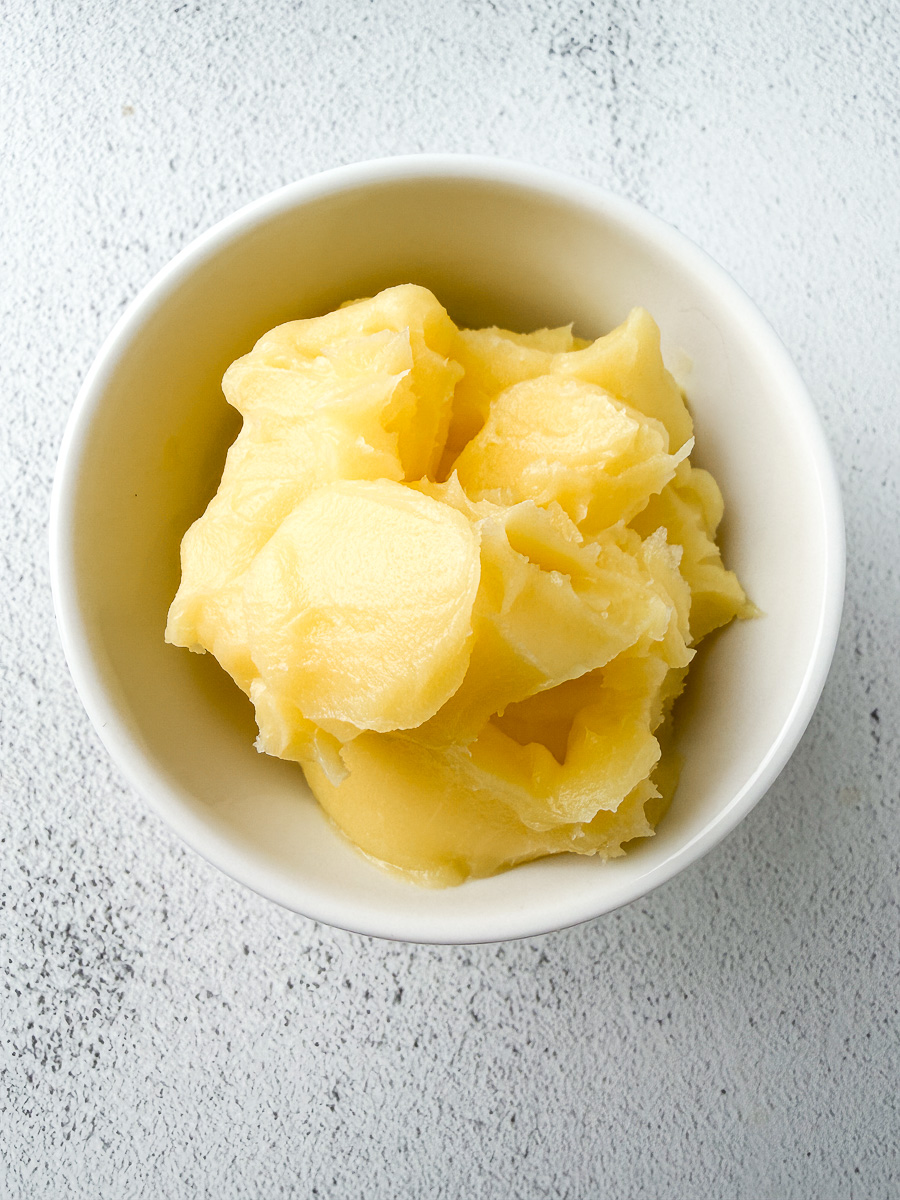
Ghee is a clarified butter which is traditionally made by simmering the butter on low heat until the water from it evaporates. The result can be used as a replacement for butter or oils when cooking your favorite dishes.
The most important fact about ghee is that it has a high smoke point so it can be used for cooking foods at high temperatures. It adds depth to any dish, a slight nutty flavor and creates perfectly crisp and golden exteriors.
I love using ghee when I prepare dinner or side dishes, like this Ghee garlic green beans recipe. If you've seen ghee in the stores and wondered if it's worth using - this guide will walk you through exactly what it is and how to use it in everyday cooking.
Jump to:
What is ghee and how is it made?
Ghee is a type of butter that has been clarified through simmering. As the butter melts - the water evaporates, the milk solids separate and the remaining fat turns golden and aromatic. This process makes it stable at room temperature and allowing for a longer shelf life.
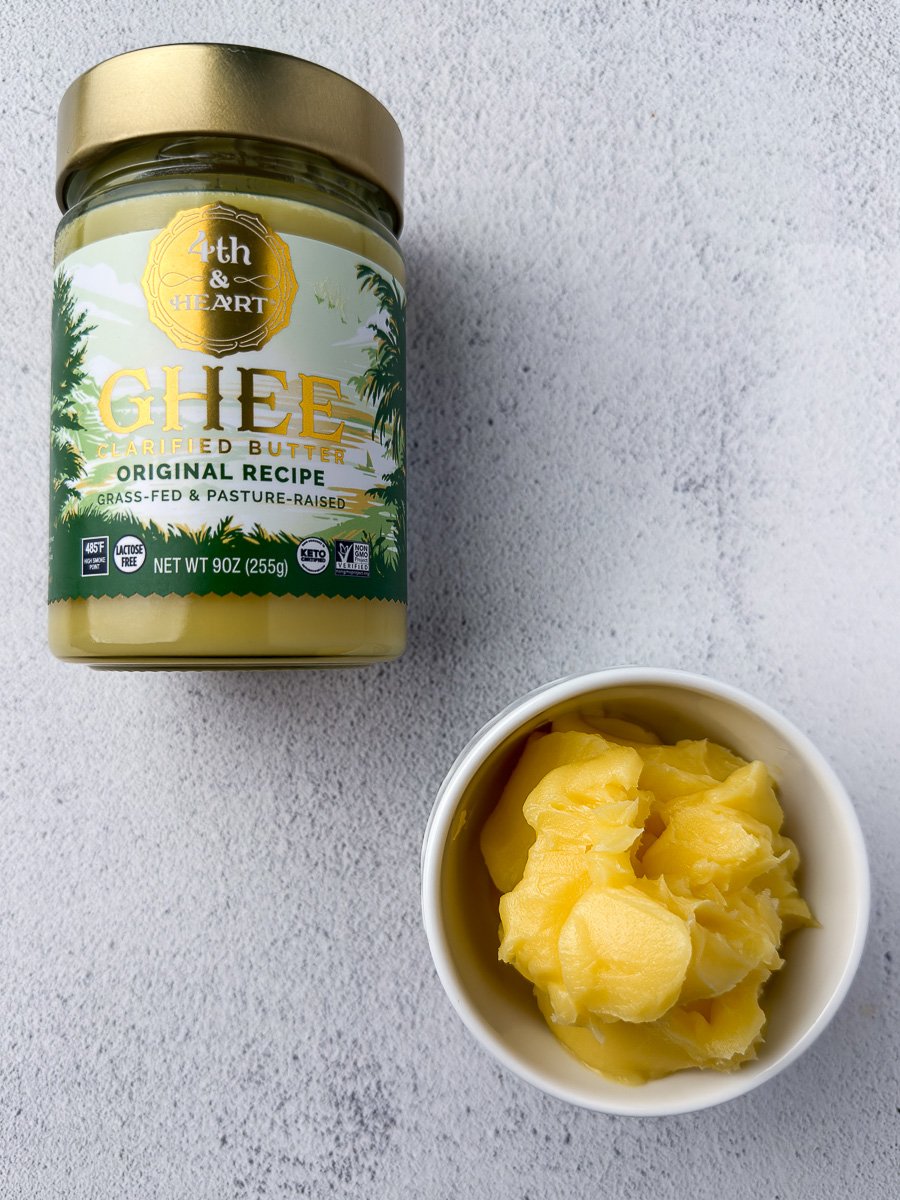
This type of butter is very popular across South Asia and Middle East, but there has been an increasing popularity for it across the world in the past few years. A lot of stores have started carrying a variety of ghee products (this grass-fed version is one of my favorites).
I'll be honest, I was skeptical at first, but after I've tried it for the first time I saw the difference: can be used on high heat, provides an interesting flavor and it doesn't require any special storage conditions.
Benefits of cooking with ghee
I love ghee more than I thought I would when I first decided to try it out. It quickly became a must-have in my kitchen pantry. Here are the benefits I discovered when I started cooking with ghee regularly:
- Higher smoke point for better browning without burning - this is a huge one for me, as I never expected ghee to "behave" so well in the hot pan. The browning I get with it is very beautiful and the taste is nutty and delicious.
- More stable at high heat than butter or oil - a lot of the times I used to get burned meat when frying it in butter or oil if I left it a bit too much in the pan. Ghee is a lot better for this point because the meat is browning deeper rather than burning.
- Naturally lactose-free - which is an important factor for many people who need to be mindful about lactose.
- Long shelf life - this one feature of ghee is also pretty amazing. You can leave it in the pantry or on kitchen counter with no issue. I even substitute it in a lot of recipes that call for room temperature butter.
- Rich flavor - any time I use ghee my dishes turn out rich in flavor but without being too much. This is important to me, especially since my kids are picky eaters.
What does ghee taste like?
Ghee tastes:
- Rich and buttery
- Slightly nutty
- Lightly toasted
- Deeper flavor than simple butter
Ghee does not taste heavy or greasy. Instead, it adds warmth and flavor to dishes without overpowering the cooked ingredients.
When I sauté vegetables in ghee, they become beautifully browned without burning, something that regular oil or butter can't always provide.
Smoke point and why it matters
Ghee has a high smoke point - around 450°F (230°C), which is a big advantage over other cooking oils or butter.
Regular butter begins to burn at lower temperatures because of the milk solids. And that means you risk the food turning bitter. Depending on what oil you use, some types like olive oil, can't be used at higher temperatures either because it has a very low smoke point, causing it to smoke at higher temperatures, lose flavor and degrade nutritionally.
Because ghee contains only butterfat, it can withstand higher cooking temperatures and therefore is an excelent choice for:
- Sautéing
- Pan-searing
- Roasting
- Frying
If you want crisp edges and a nice browning without a burnt flavor, ghee is the right choice.
How to use ghee in everyday cooking
I've been using ghee more and more lately and here are my favorite ways to use it:
- Sear chicken breast for a golden crust, which I then use with sides for dinner or lunch, or chopped for bowls.
- Sauté green beans or other vegetables to have as a side.
- Fry eggs or scrambled eggs for breakfast
- Roast potatoes or carrots
- Stir into warm rice for a quick lunch bowl
- Use as a base for sauces
You might think that using ghee doesn't make a big difference, but let me tell you: the flavor difference is immediately noticeable: it is more rich, while keeping the texture clean and crisp.
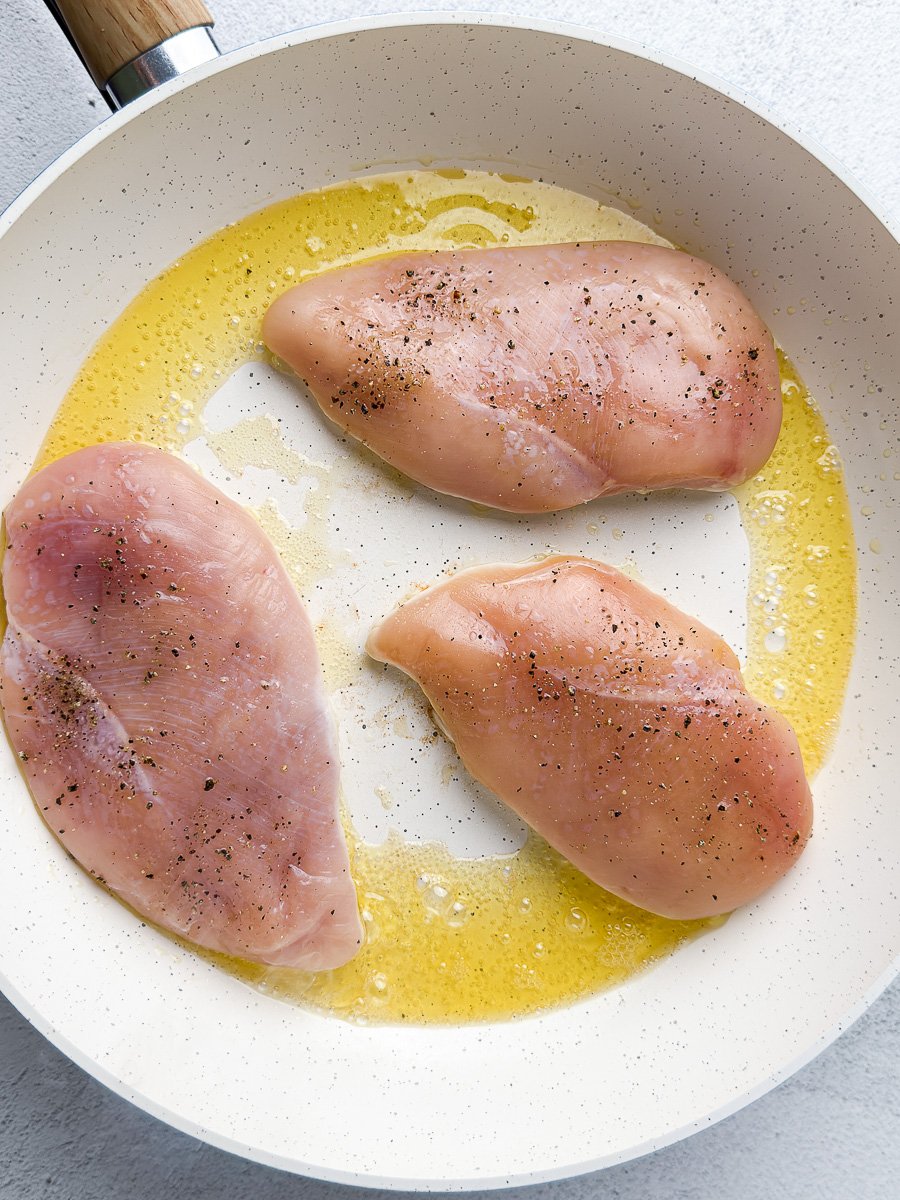
One thing I noticed through trial and error during the numerous times I used ghee: it is better when you start the ghee in a cold or slightly warm pan and let it heat up rather than dump it in a very hot skillet. Even though it has a high smoke point, dumping it in a hot skillet can make it burn slightly.
When not to use ghee?
While I like using ghee in a lot of the dishes I prepare, there are some instances where I'd rather leave the ghee in the pantry and use butter or oil instead.
- When baking - I typically love using butter and not swapping it out for ghee unless absolutely necessary. While it is technically possible to use ghee instead of butter (1:1 ratio worked fine for me), for me - butter provides that creamy flavor that is hard to beat, especially when baking.
- Delicate sauces - when making my homemade sauces, I rarely use ghee, because I found that it can overpower the other flavors in the sauce, dimming the taste of other ingredients. I prefer using oil instead in these cases.
- When cooking fish - this might be just my preference, but the taste of ghee and fish together feels too heavy and doesn't combine well. I would avoid cooking fish in ghee.
Ghee vs butter and other oils (quick comparison)
| Fat | Smoke point | Flavor | Best use |
|---|---|---|---|
| Ghee | 450°F | Nutty | Searing, roasting |
| Butter | 350°F | Creamy | Baking |
| Olive oil | 375°F | Fruity | Low heat cooking |
| Avocado oil | 520°F | Neutral | High heat |
So, is ghee better than butter for cooking? The answer is: it depends what you're making.
For medium to high heat cooking like searing or sautéing, I prefer ghee. It just simply does not burn so quickly as butter does and helps develop a better browning color.
For baking or spreading on toast, butter is the better choice. It is creamy and moist.
How to store ghee
Ghee is naturally shelf-stable, which means it does not require refrigeration. I store it in an airtight container (typically the one I bought it in), keep it in a cool, dry place, usually in my kitchen pantry. It can be stored like this for up to three months, depending on the brand.
One thing I always do: I always use a clean spoon with it to avoid cross-contamination and to preserve its freshness and shelf life.
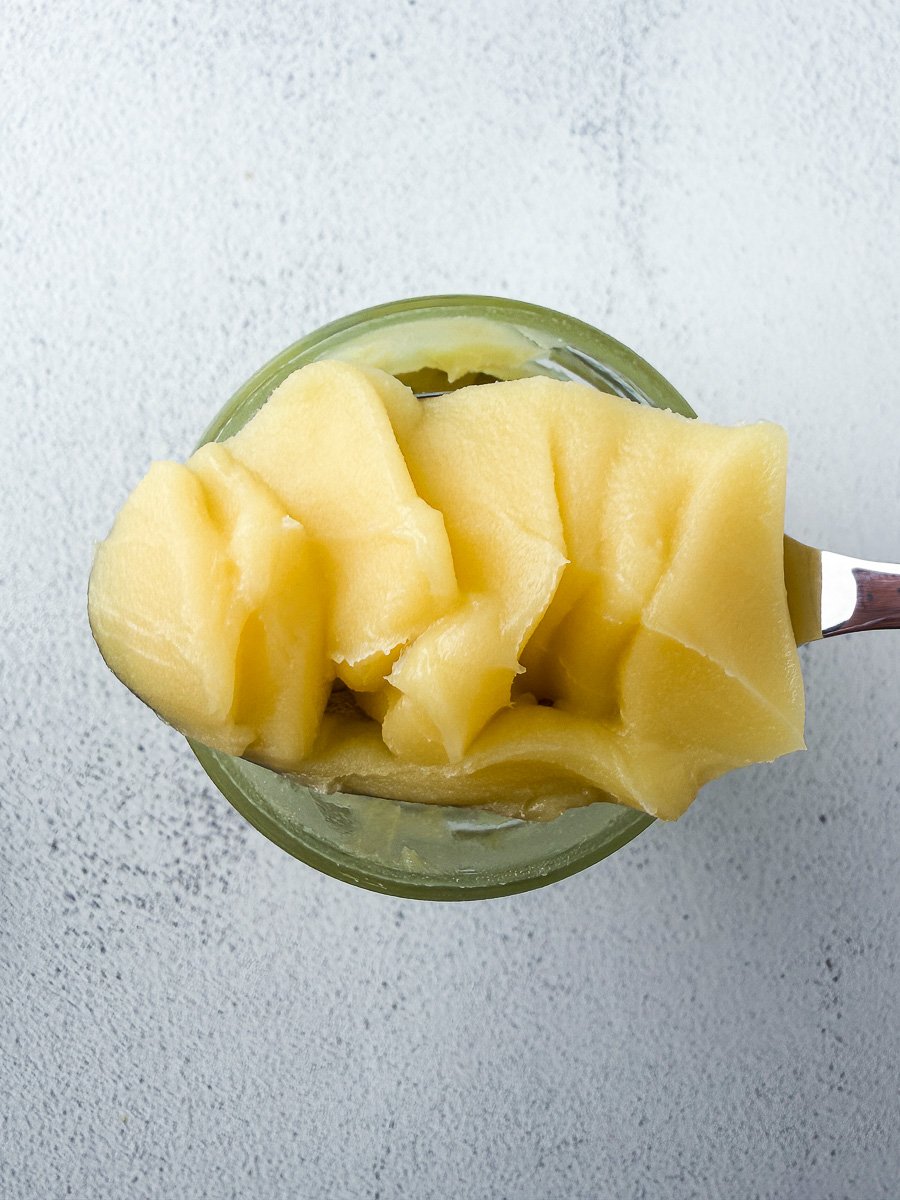
Ghee can be refrigerated, but it will become firm. At room temperature it stays soft and spreadable.
If you have excess ghee that you know will not be used soon, you can even freeze it in an airtight container up to a year. Make sure to always allow it to thaw thoroughly when you take it out of the freezer. However, you should not refreeze ghee as it can cause freezer burn texture.
FAQ
No. Ghee is shelf-stable as long as it is stored in an airtight container.
Yes, absolutely. Ghee has a high heat point and this makes it an excellent choice for frying, sautéing, roasting, and searing.
They are very similar, although ghee is simmered longer, which gives it a richer flavor.
Because the milk solids are gently toasted during the cooking process.
In many dishes, yes. However, baking results may vary due to the lack of water in ghee.
Ghee is not lactose and dairy-free. It is tolerated a lot better though by people with intolerances to these ingredients because the milk solids (lactose and casein) are mostly removed during the preparation process.
Ghee starts melting at about 76°F (24°C) and can become liquid in warmer temperatures, or become more solid in colder temperature. Both are normal and it does not mean ghee has gone bad.
Related
Looking for other recipes like this? Try these: