
Easy Small-Batch Sauerkraut with Turmeric & Mustard
This vibrant, gut-friendly ferment is our favorite way to keep the fridge stocked with probiotics without the hassle of giant crocks. It’s earthy, savory, and incredibly simple to pull together in a single afternoon.
Equipment
- 1 Quart Wide-Mouth Mason Jar
- Large Glass or Stainless Steel Bowl
- Sharp Chef's Knife or Mandoline
- Box Grater
- Kitchen Gloves (highly recommended to avoid turmeric-stained hands!)
- Fermentation Weight (optional; see Notes for alternatives)
Ingredients
- 1 Cabbage, medium to large (shredded or thinly cut)
- 2 Carrots, medium (shredded)
- 1 tablespoon Ground turmeric
- 1 teaspoon Mustard powder
- 1.5 to 2 tablespoon Sea Salt or Kosher Salt (non-iodized is a must)
- Black pepper (to help with turmeric absorption)
Instructions
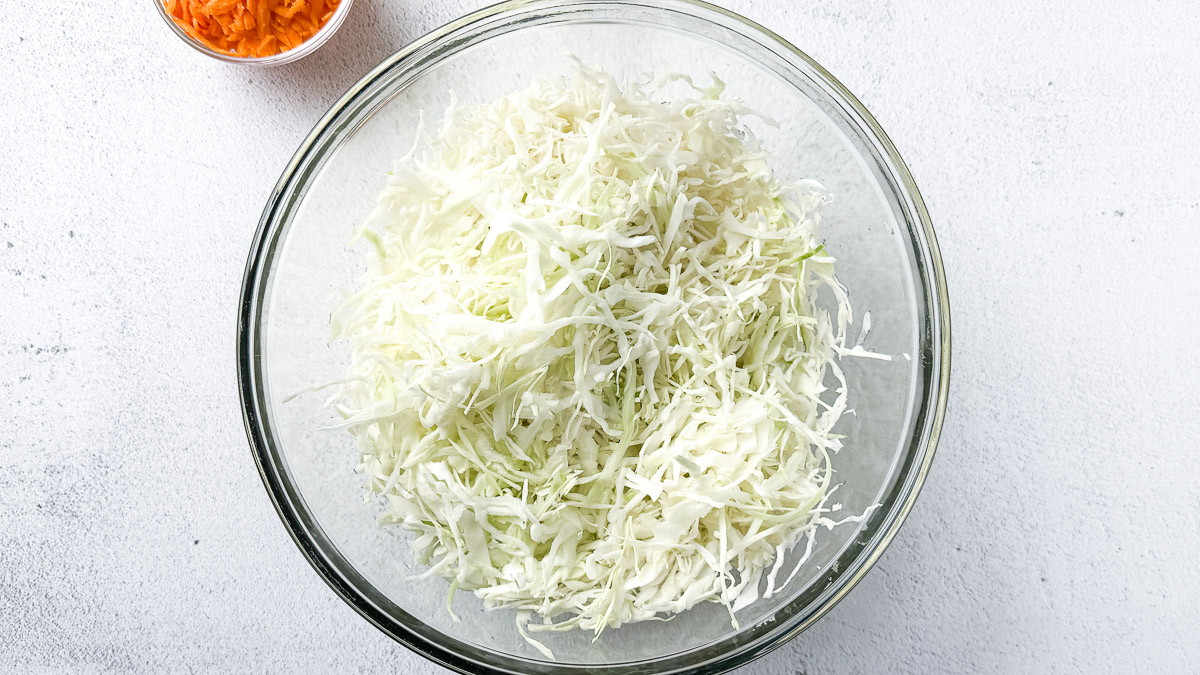
- Prepare and Shred: Peel away one or two clean, sturdy outer leaves from the cabbage and set them aside. Finely shred the remaining cabbage into thin ribbons using a knife or mandoline. Grate your carrots and place everything into a large, non-reactive bowl.
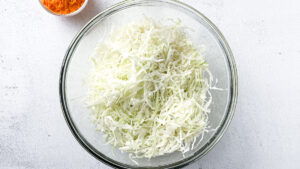
- The Massage: Add salt to the vegetables bowl. Using your hands (put on those gloves now!), firmly massage and squeeze the cabbage for 5–10 minutes. You’ll know you’re done when the cabbage has softened and there is a significant pool of brine (cabbage juice) at the bottom of the bowl.
- Add spices: Add ground turmeric (or you can use fresh grated turmeric), mustard powder and black pepper to the cabbage and mix well.
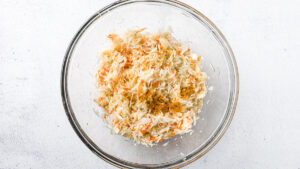
- Pack the Jar: Transfer the mixture into your clean mason jar, a few handfuls at a time. Use your fist or a wooden tamper to pack it down as tightly as possible. The goal is for the brine to rise up and completely cover the vegetables, leaving about 1 inch of headspace at the top of the jar.
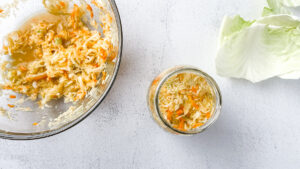
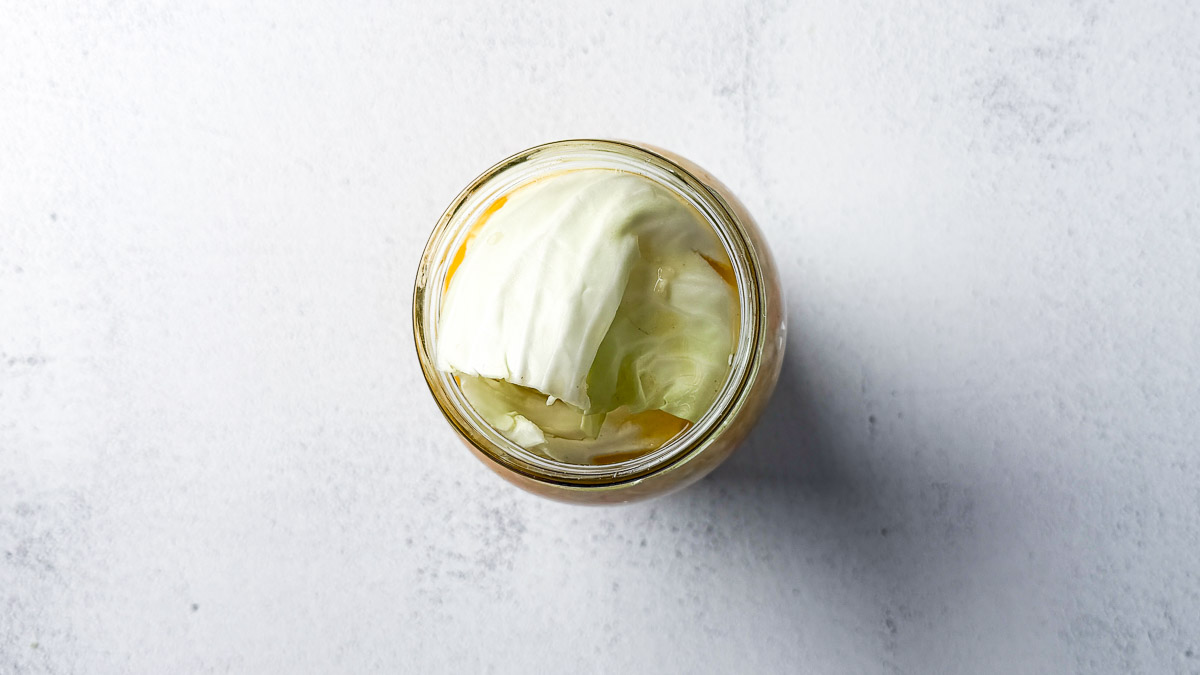
- Submerge: Fold up the reserved outer cabbage leaf and tuck it into the jar so it sits on top of the shredded bits, acting as a cap to keep them under the brine. If you have a fermentation weight, place it on top of that leaf.
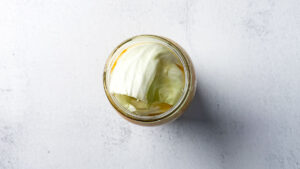
- Ferment: Close the jar with a lid. Place it in a cool, dark corner of your kitchen (out of direct sunlight).
- Daily Maintenance: If you aren't using a specialized fermentation lid, burp the jar once a day by slightly unscrewing the lid to release pressure, then tightening it back up.
- Taste and Chill: Start tasting your kraut at the 7-day mark. Once it reaches the level of tanginess you like, remove the cap leaf and move the jar to the refrigerator.



Video
Notes
- The Salt Ratio: For a safe and crunchy ferment, I aim for roughly 2% salt by weight. If you have a kitchen scale, weigh your shredded cabbage and carrots in grams and multiply by 0.02 to get the exact amount of salt needed.
- Submersion is Key: My #1 rule for fermentation is: if it's under the brine, everything is fine. If your cabbage is exposed to air, it can develop mold. Always keep it tucked down!
- Heat & Probiotics: To keep the gut-health benefits alive, never cook or boil your sauerkraut. Add it to warm dishes (like soup or grain bowls) just before serving.
- Turmeric Staining: Turmeric is a powerful natural dye. It will stain wooden spoons, plastic containers, and white countertops. I suggest using glass bowls and stainless steel tools for this recipe.
Nutrition
Calories: 21kcalCarbohydrates: 5gProtein: 1gFat: 0.2gSaturated Fat: 0.04gPolyunsaturated Fat: 0.04gMonounsaturated Fat: 0.05gSodium: 947mgPotassium: 142mgFiber: 2gSugar: 2gVitamin A: 1418IUVitamin C: 23mgCalcium: 29mgIron: 1mg
Tried this recipe?Let us know how it was!
