The Essential Guide to Homemade Sauces and Dressings
If I were to choose one thing that transforms my weeknight cooking, it would be having homemade sauces ready to go in my fridge. They are the difference between plain roasted chicken and chicken that is flavorful and delicious.
For years I relied on store-bought sauces for convenience. And I still do at times. But when I begun making my own, I realized I have more and better control on ingredients, flavors and balance.
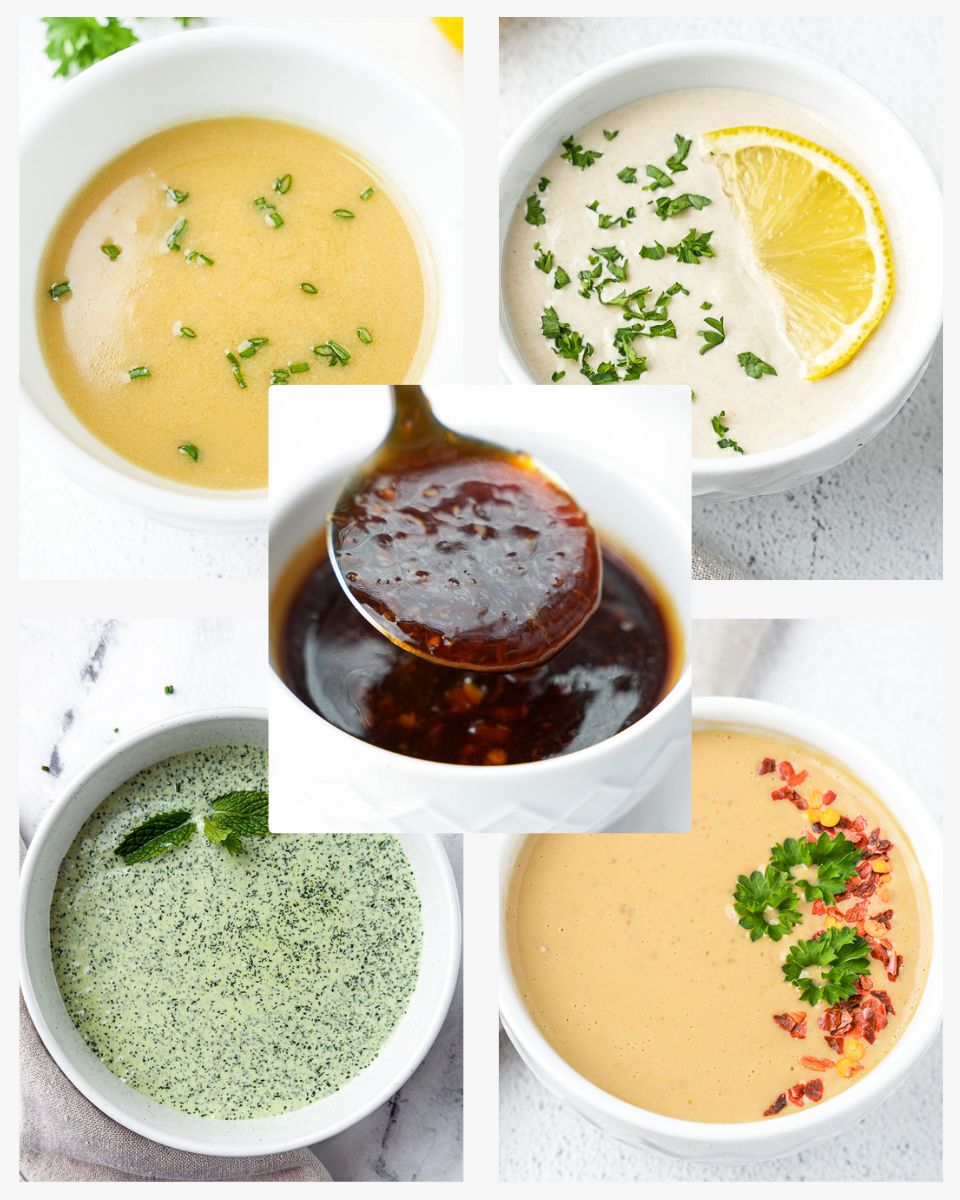
These five foundational sauces are the ones I always return to and make again. Every one of them is made with simple ingredients and comes together in minutes. A creamy Green Goddess can completely transform roasted vegetables or a grain bowl. A quick homemade Teriyaki sauce turns basic chicken or salmon into a savory weeknight dinner. By having a few jars in the fridge, the prepping for weeknight dinners or next day lunch is much easier and predictable.
Jump to:
What makes a great homemade sauce
Over the years, and many recipe prepared, I have learned that a truly great homemade sauce isn't complicated, if you know how to balance the ingredients and flavors.
I've found that almost every homemade sauce I make comes down to flavor balance, texture, and ingredient quality.
Flavor balance: fat, acid, salt, and sweetness
Every sauce needs to have a flavor balance. I always think in terms of four elements: its fat, acid, salt and sometimes sweetness.
- Fat provides richness and body. This might come from Olive oil, Sesame oil, or nut butter. Fat is the ingredients that gives the sauce its satisfying flavor.
- Acid brightens everything. Fresh lemon juice, rice vinegar, wine vinegar, or even yogurt can lift heavier ingredients. They also prevent the homemade sauce or dressing to taste flat, so if a sauce taste flat, I always adjust the acids first.
- Salt is recognized as a flavor enhancer. Whether that is true simple salt, soy sauce, tamari, or miso paste, saltiness is what brings the ingredients together and provides taste.
- Sweetness balances sharp or savory ingredients. A touch of honey or maple syrup in a homemade dip or sauce can help balance the flavor of all the other ingredients.
Texture: emulsified, blended or simmered
Texture matters just as much as flavors. Some sauces are whisked together or blended into a smooth and creamy mass, others are blended into a velvety dressing, and some are simmered to thicken and concentrate the flavor.
Understanding that texture can be controlled by adding more water, citrus juice, or broth for thinning, or more nut butter, tahini, or simmer longer for thickening is a game changer for adjusting these homemade sauces to your liking.
Ingredient quality makes the difference
Because sauces are concentrated flavor, the quality of every single ingredient matters. Fresh herbs should be fragrant, citrus should be freshly squeezed, oils should taste clean, fermented ingredients like miso or soy sauce should have depth, not just saltiness.
When I started making my own sauces and dressings from scratch, I realized how much more flavorful they are than the store bought options. There is no need for preservatives or stabilizers - just real ingredients working together.
The 5 foundational homemade sauces I rely on
The Green Goddess Dressing
Green goddess is one of the most versatile dressing sauces I make. It is herbs packed, creamy, and tasting super fresh. It is made of a creamy Greek yogurt base, blended with fresh herbs, garlic, capers, and a squeeze of lemon.
Best ways to use this sauce is drizzled over grilled or roasted chicken, over baked salmon, tossed with roasted vegetables, mixed into grain bowls or served as a dip for fresh veggies.
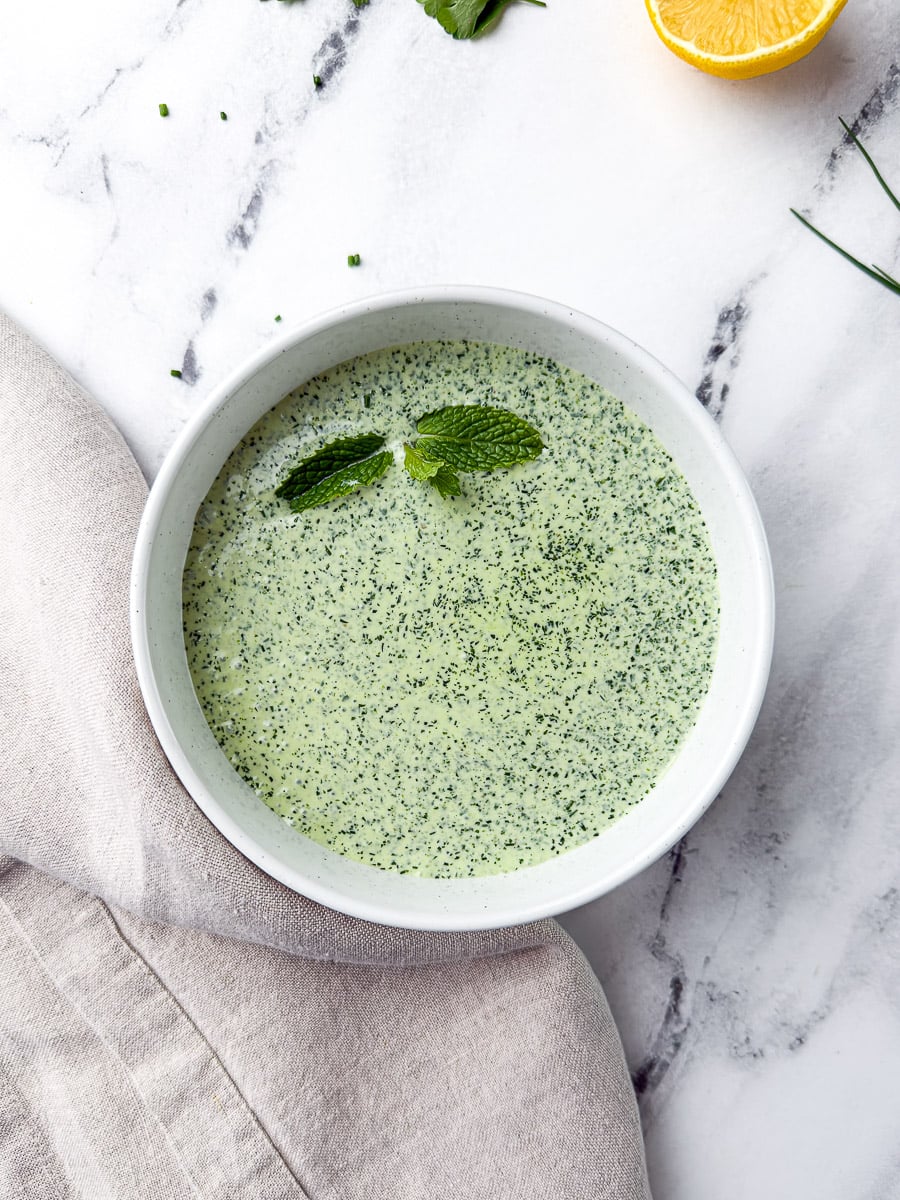
I store this dressing in the refrigerator in a sealed glass jar for up to 4-5 days. If it thickens slightly, I stir in a splash of water or lemon juice before serving.
You can find the full step-by-step instructions and exact ingredients list and quantities in my complete Green goddess dressing recipe.
The Peanut Satay sauce
This peanut satay sauce is the one I choose when I want bolder flavor but with minimal effort to make it. It is made with natural peanut butter, canned coconut milk, fresh ginger, garlic, lime juice, and coconut aminos (instead of soy sauce). It is perfectly salty, rich and delicious.
This sauce can work as a dip, a drizzle over vegetables or meat, or a quick noodle coating. The peanut butter provides structure, while the lime, coconut aminos and the aromatics keep it from feeling too heavy. It is prepared easily and in about 5 minutes - so that means it can transform a meal into a flavorful one without much effort.
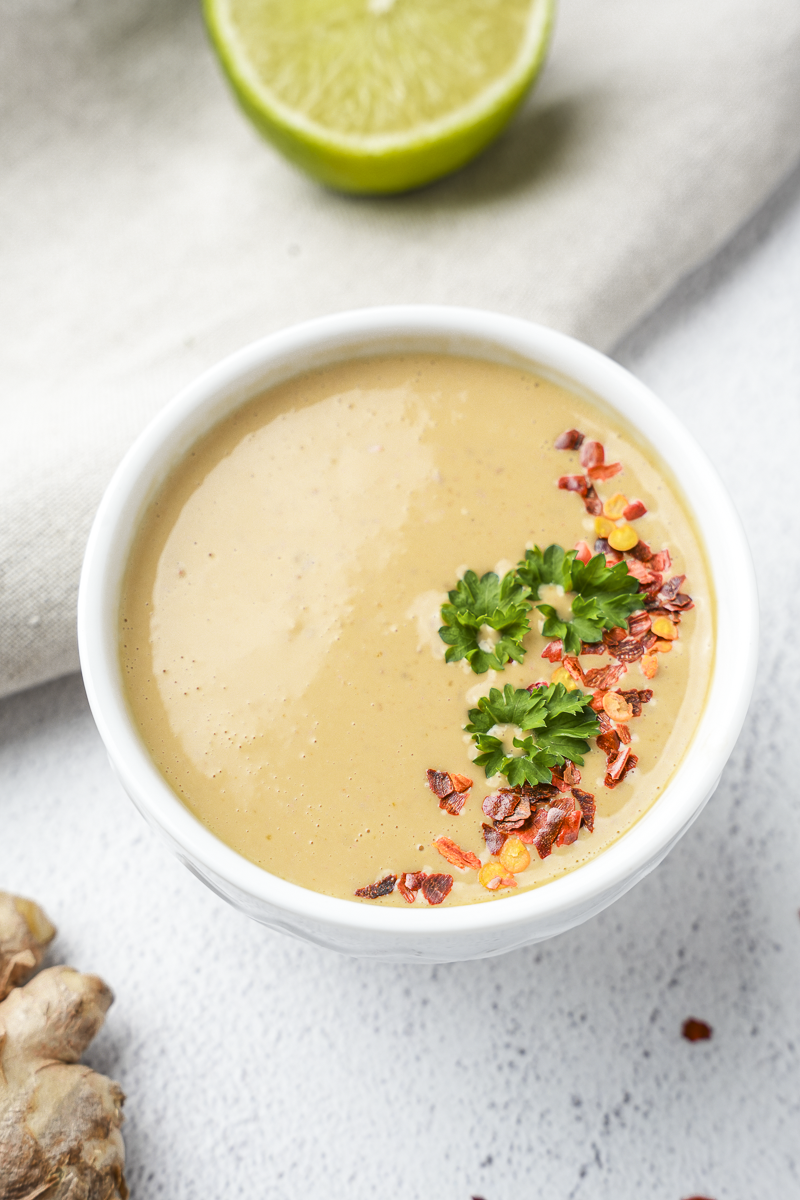
I like using this sauce tossed with rice or noddles, drizzled over grilled chicken or shrimp, spoonful over roasted broccoli or bell peppers, mixed in grain bowls, or even served as a dipping sauce for skewers or spring rolls.
I store this sauce in a sealed glass jar in the refrigerator for up to 5 days. It naturally thickens when chilled, so I stir a splash of warm water or lime juice before serving to make it reach a slightly thinner consistency.
You can find the full step-by-step instructions and exact ingredients list and quantities in my complete 5-Minute spicy peanut satay recipe.
Lemon Tahini sauce
One of the simplest homemade sauces I make, lemon tahini is nutty, creamy, and bright. It is made with sesame tahini, fresh lemon juice, garlic, salt, and water. Has a smooth texture and a clean flavor that works with numerous types of dishes.
Tahini provides the base, while the lemon juice keeps everything fresh and airy. I use this sauce when I want a dairy-free option that still feel creamy. This sauce turns basic vegetables, like cabbage wedges, roasted proteins, or grain bowls into something flavorful.
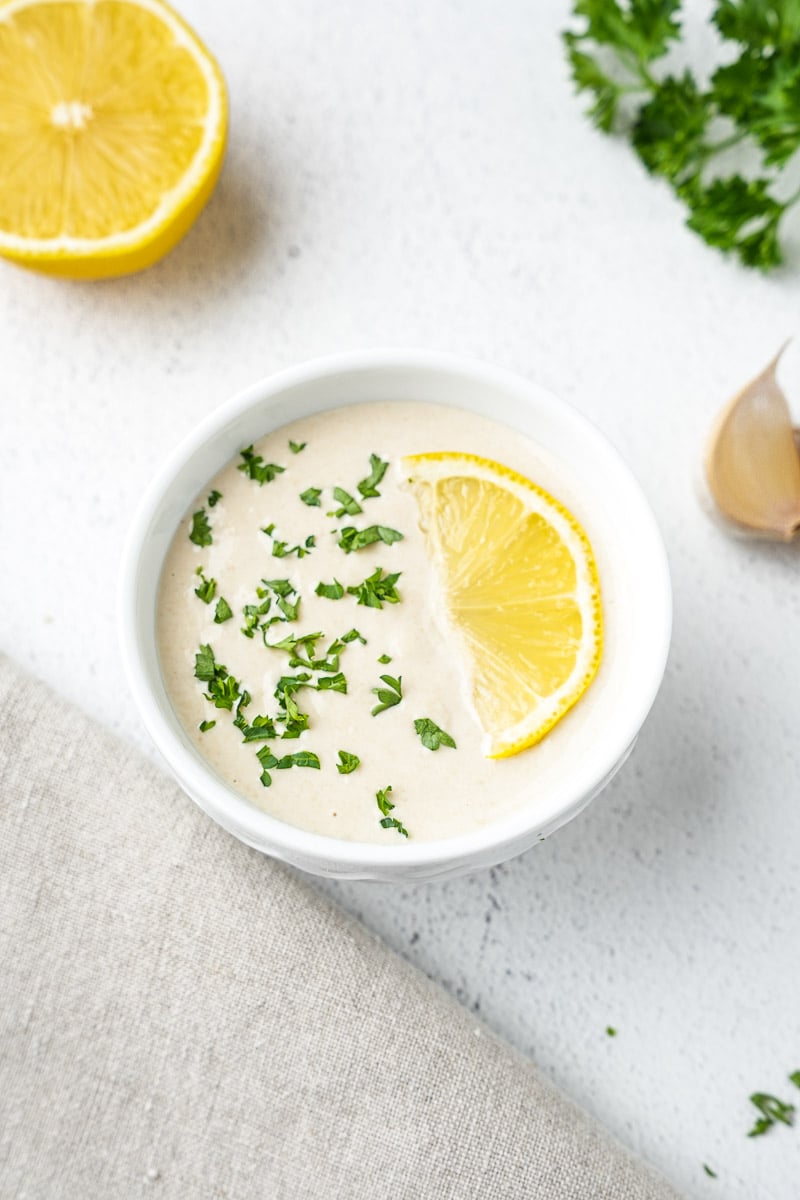
I like using this sauce drizzled over roasted cauliflower, carrots, or sweet potatoes, as well as over grilled chicken or baked salmon. This sauce also works very well mixed into Mediterranean-style bowls or used as a dressing for salads.
I store this sauce in a sealed jar in refrigerator for up to 5 days. As all the other sauces, this can thicken while refrigerated, so I use a bit of water or lemon juice and whisk that in the sauce if I want to make it thinner.
You can find the full step-by-step instructions and exact ingredients list and quantities in my complete Creamy lemon tahini sauce recipe.
Homemade Teriyaki sauce
This homemade sauce is savory and slightly sweet, perfect for glazing over different foods when you want a touch of bold flavor without the effort. Made with tamari or soy sauce, fresh garlic, ginger, honey, and other simple ingredients that simmers quickly into a glossy sauce.
This teriyaki sauce has a deep, concentrated flavor due to it being simmered instead of just blended. I often make a cup of this sauce at the beginning of the week and use it throughout the week to transform simple proteins into quick meals.
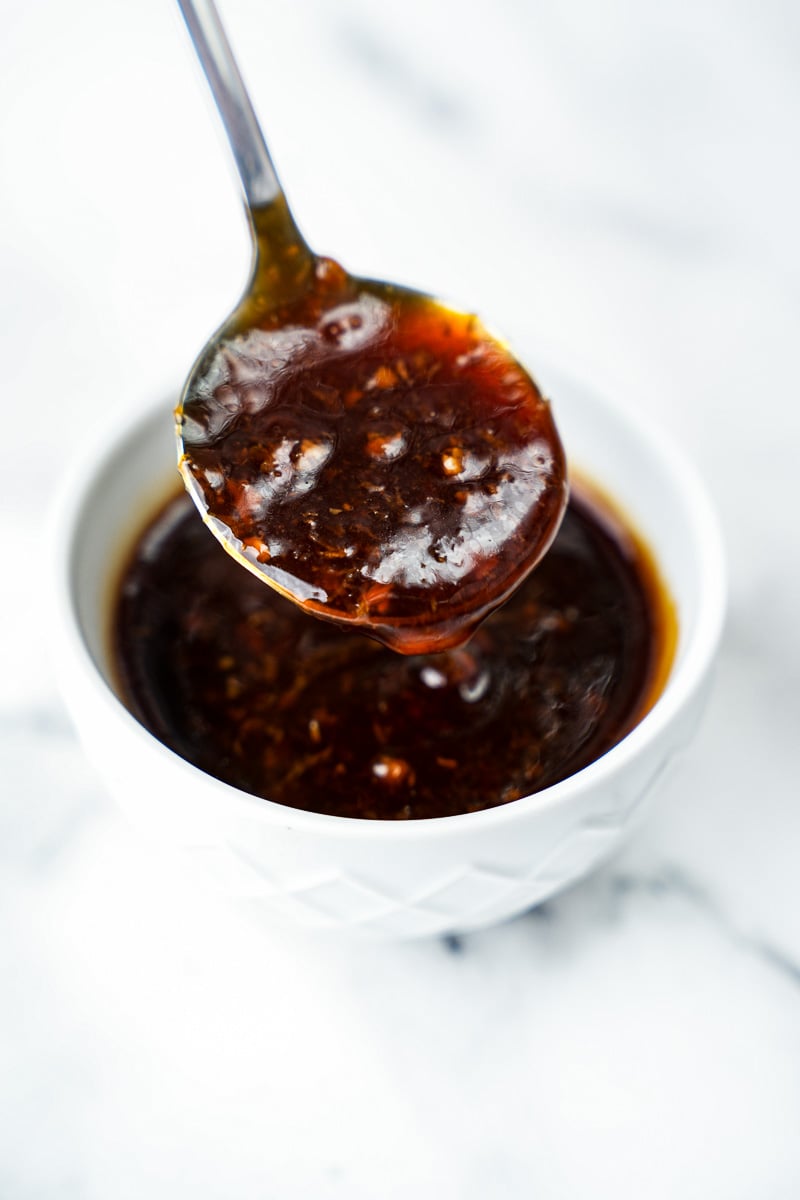
The best ways to use this homemade teriyaki sauce is by brushing it over grilled, baked or roasted chicken, glazed onto salmon, stirred into vegetable stir-fries, or tossed with tofu. It is very useful for meal-prep.
I store this sauce in a sealed glass jar for up to a week.
You can find the full step-by-step instructions and exact ingredients list and quantities in my complete Easy homemade teriyaki sauce recipe.
Ginger Miso dressing
This dressing is savory, slightly sweet with bold flavor. It is made with white miso paste, fresh ginger, rice vinegar, maple syrup and a touch of extra virgin olive oil and avocado oil.
This ginger miso dressing doesn't feel heavy. Instead it's balanced by the miso paste that provides saltiness and ferments, the fresh ginger that adds brightness and a bit of heat, and the maple syrup or honey that provides that vibrant sweetness.
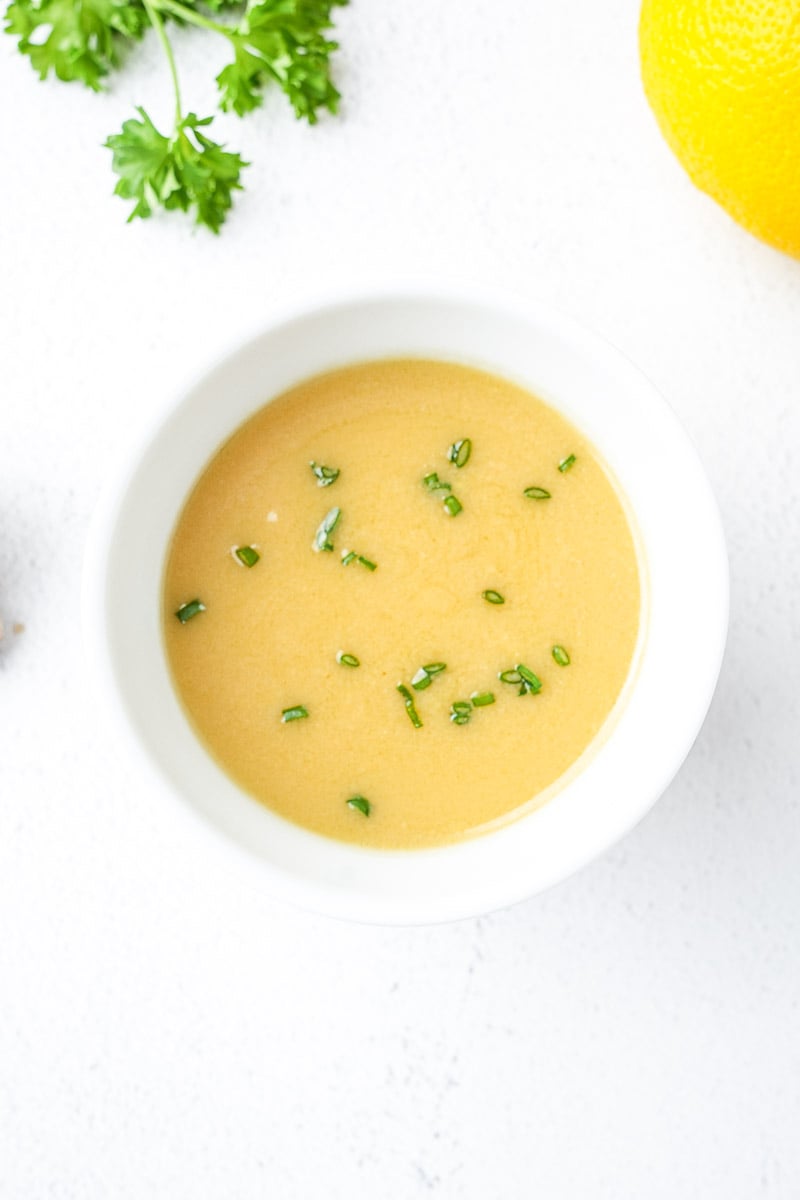
I blend this ginger miso dressing with a whisk and the whole process takes about 5 minutes. I use this dressing the most when I want to add a different taste to a simple salad, roasted veggies, or grain bowls. My new favorite way lately is drizzling it over roasted Brussels sprouts or broccoli.
As usual, I store this in a glass sealed jar in the refrigerator for up to 5 days and I whisk it before serving is it separates during the refrigeration process.
You can find the full step-by-step instructions and exact ingredients list and quantities in my complete Easy Ginger Miso dressing recipe.
How I pair homemade sauces with everyday meals
I started keeping homemade sauces in my refrigerator and since then the meal prep planning became a lot easier: I now think of a protein, vegetables and grains - and a sauce to bring everything together instead of thinking of entirely different recipes.
Here are examples of how I use these sauces during the week.
Sauces for chicken
Chicken is one of the most used proteins in our kitchen and meal prep because it is easy to make and you can adapt it to your taste easily. A spoonful of Green goddess instantly freshens up grilled or roasted chicken, especially when paired with vegetables. Homemade teriyaki works really well as a glaze for nights when I'm baking chicken thighs or brushed onto skewers before grilling.
When I want something creamy and nutty, the Peanut satay is the solution to that because it transforms simple chicken recipes into something savory with very little effort.
Sauces for salmon and seafood
Lemon tahini can add brightness and creaminess to dishes like roasted salmon. If I add the Ginger miso dressing to seafood dishes, I get a deep umami flavor, while Homemade teriyaki creates a glossy glaze for caramelization in the oven.
Sauces for roasted vegetables
I like using my sauces with vegetables as I can change the taste to my liking easily. A drizzle of Lemon tahini over cauliflower or sweet potatoes adds richness. Green goddess pairs very well with roasted carrots, asparagus, or broccoli. Peanut satay adds a bold flavor to roasted bell peppers or cabbage. A simple tray of vegetables can change its taste instantly with the right sauce.
Sauces for grain bowls and salads
For me, grain bowls are one of the easiest ways to build a well balanced meal, and to make them taste different every time and not repetitive, I like to add sauces to them.
I typically start with quinoa, rice, buckwheat, or farro, add a protein and vegetables, and finish with a sauce drizzle. Ginger miso works really well in Asian-inspired bowls. I use Lemon tahini when I want a Mediterranean flavor and Green goddess for a herbal freshness. When I want something heartier, I reach out for my Peanut satay sauce.
Sauces for meal prep
Having a homemade sauce in my refrigerator is a game-changer for meal prep. I prepare a batch or two at the start of the week or the day I'm meal prepping and use it across multiple meals.
Grilled chicken one night becomes a bowl the next day. Roasted veggies can be used the next day in wraps or salads. A sauce keeps leftovers from feeling repetitive because it changes the flavor each time.
FAQ
Most homemade sauces last between 4 to 7 days when stored in an airtight container in the refrigerator. Herb-based, yogurt-based, or fresh dressings typically stay fresh for about 4-5 days. Cooked sauces, like teriyaki, can often last up to a week. Because these sauces don't contain preservatives, I always check for changes in smell, texture, or appearance before using.
Some homemade sauces freeze well, while others do not. Cooked sauces, such as teriyaki, generally freeze successfully and can be thawed and reheated without issue. Creamy, dairy-based, or herb-forward sauces may separate after freezing and lose their smooth texture. When in doubt, I prefer making smaller batches rather than freezing delicate sauces.
Separation is completely normal in homemade sauces because they don't contain artificial emulsifiers. Oil may rise to the top, or thicker ingredients may settle after refrigeration. A quick shake, whisk, or stir usually brings the sauce back together. If needed, a small splash of water or lemon juice can help restore a smooth consistency.
To thicken a sauce, I typically add more of the base ingredient, such as tahini, nut butter, yogurt, or by simmering a cooked sauce slightly longer to reduce it. To thin a sauce, I add small amounts of warm water, citrus juice, broth, or vinegar until it reaches the desired consistency. Adjust gradually to maintain balance.
If you're new to making sauces from scratch, I recommend starting with a simple lemon tahini or herb-based dressing. They require minimal ingredients, no cooking, and can be adjusted easily. Once you understand how to balance fat, acid, salt, and sweetness, experimenting with other sauces becomes intuitive.
Other recipes
Looking for other easy recipes? Try these: